
In this article
If you asked a 16-year-old what he wants and got “I don’t know,” he probably isn’t being difficult. At this age, most of what he wants either costs too much, already lives on his phone, or is hard to put into words. The good news: you don’t need a wish list. Watch how he spends a free Saturday, ask the people he talks to, and pick something that fits one real part of his life—time with friends, something to fiddle with at his desk, a hobby with a payoff, or a night out in costume. This guide walks through how to find that fit and what kinds of gifts tend to get used rather than shoved in a closet.
Why is a 16-year-old so hard to shop for?
Sixteen sits in an awkward middle. He has outgrown most toys, but the things adults buy each other—gadgets with subscriptions, clothes in a particular style, gear for a hobby he hasn’t told you about—are easy to get wrong. Many teens also feel self-conscious about wanting something that looks “kid-ish,” so they stay vague rather than risk it.
There is also a practical reason. A lot of teen spending happens in small, digital pieces: game credits, music, food with friends. Those don’t make an exciting box to unwrap, so when someone asks what he wants, nothing physical comes to mind. That doesn’t mean a physical gift is a bad idea. It means the best one usually solves a moment he already has—a boring evening, a night with friends and nothing to do, a long study session—rather than a category like “tech” or “sports.”
Is cash or a gift card the safer choice?
Often, yes—and there is nothing lazy about it. If you don’t see him often or truly don’t know his interests, money he can put toward something bigger is a real gift. A nice middle ground is a small thing to open plus cash or a card tucked inside. The object shows you thought about him; the money lets him get what he actually wanted.
How can you find out what he’s into without asking again?
Asking a teen the same question twice rarely works. Gathering a few clues usually does:
- Watch a free weekend. Does he head outside with friends, stay at his desk, tinker with things, or disappear into a game? The gift should fit where his time already goes.
- Ask a sibling, cousin, or parent. They know which hobby is current and which one ended last summer.
- Notice what he borrows or breaks. A teen who keeps borrowing the family’s binoculars, or wore out his last ball, is telling you something.
- Listen for “that’s cool.” Things he points out in videos or at a friend’s house are better clues than anything he’ll say when put on the spot.
- Ask an either-or question. “Would you rather have something for hanging out with friends or something for your room?” is easier to answer than “What do you want?”
Once you have even one clue, narrow it down to a single moment in his week. The ideas below are organized that way.
What gets a teen off his phone and outside with friends?
Gifts that need other people tend to beat gifts that compete with a screen. A teen won’t put down his phone to play alone, but he will if friends are already in the backyard. Group-friendly gifts also last longer than novelty gadgets because the fun comes from the people, not the object.
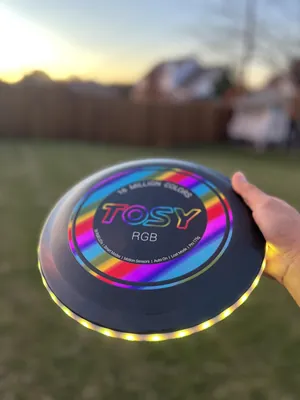
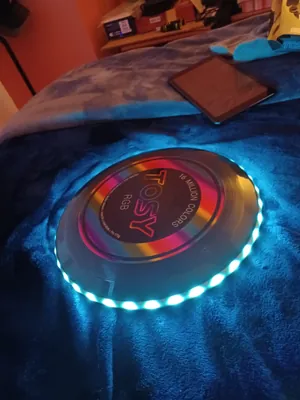
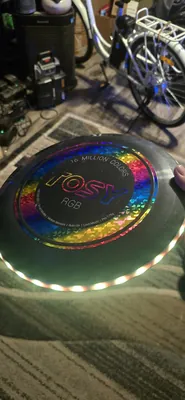
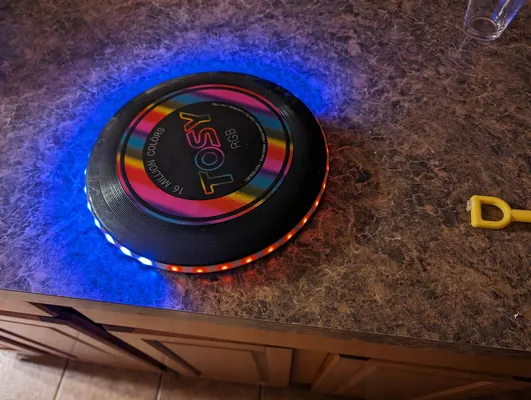
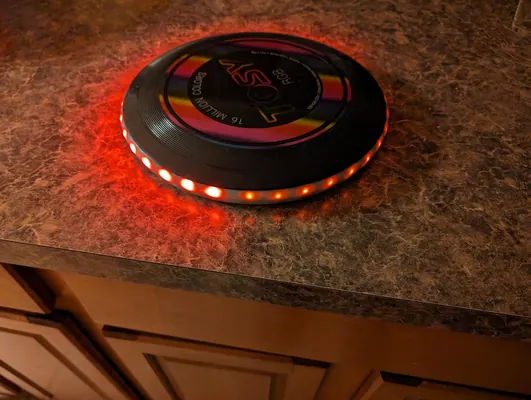
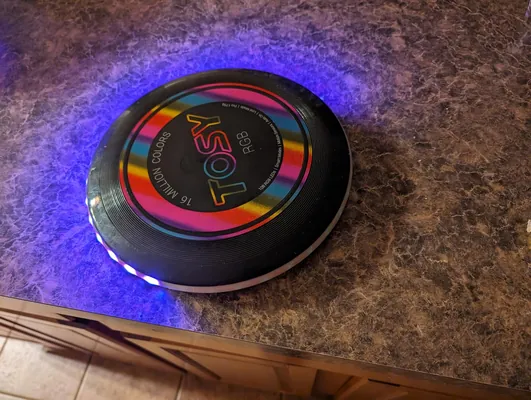
Evenings are the sweet spot. In much of the country it gets dark early for half the year, and that is exactly when teens drift indoors. Anything that keeps a game going after sunset—lights, glow, a reason to stay out—solves a real problem. A light-up flying disc is a good example: it looks good on a night beach or a dark park, and it works with two people or ten.
Does a light-up disc still fly like a normal one?
That depends on the disc. Cheap light-up versions can be heavy or lopsided. The rechargeable disc below is listed at 175 grams, the same weight as a standard ultimate disc, and one buyer who plays competitive ultimate wrote that its weight, feel, and flight were nearly identical to what they were used to. Several parents said groups of kids and adults played with it together, and one noted that the lights can be dimmed so they don’t blind anyone at night.
A few things to know: the listing says it charges by USB-C in about 30 minutes and lasts up to 90 minutes of play, but no wall charger is included. A handful of buyers received units with lights that failed in one section or that looked previously used, and the seller replaced them. One buyer reported an overheating battery, so treat it like any rechargeable gadget—charge it where you can see it and stop using it if it gets hot or swells (NFPA lithium-ion battery safety).
What about something to keep his hands busy at his desk?
Plenty of teens fidget while they study, game, or listen to a class. A good desk object gives restless hands something to do without another screen. The best ones have a little depth: a puzzle he can solve, a shape he can build, something that looks cool enough to leave out on the shelf.
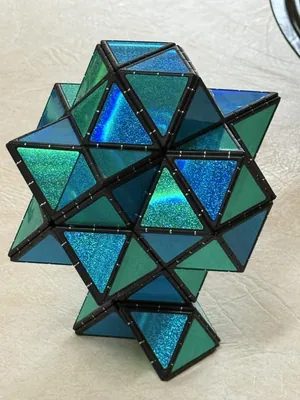
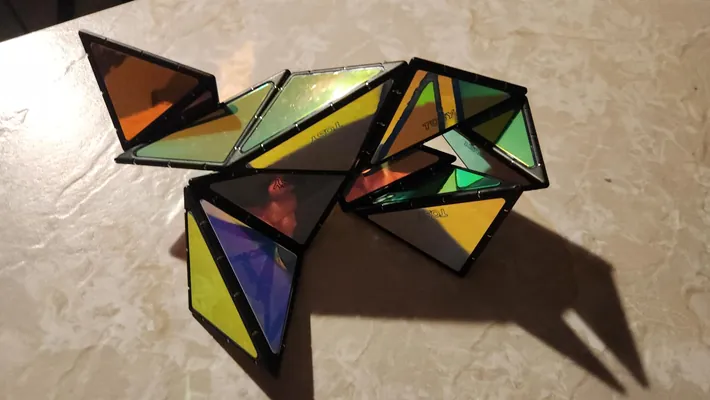
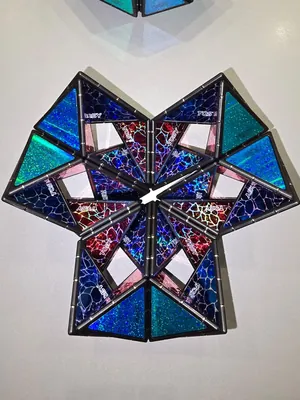
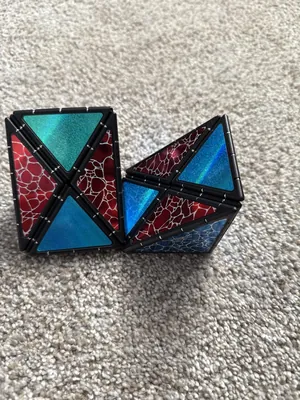
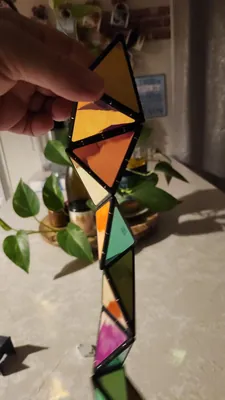
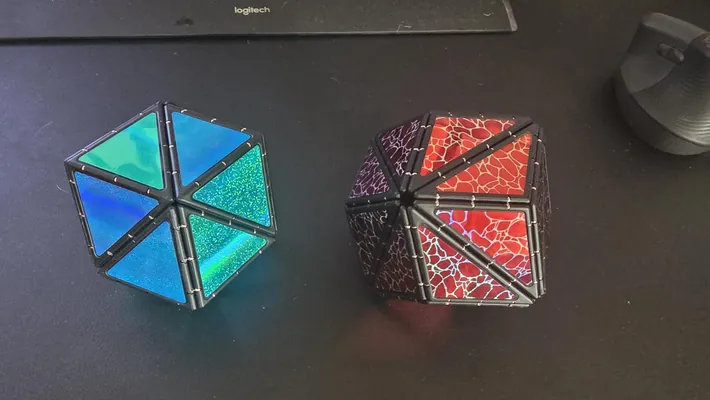
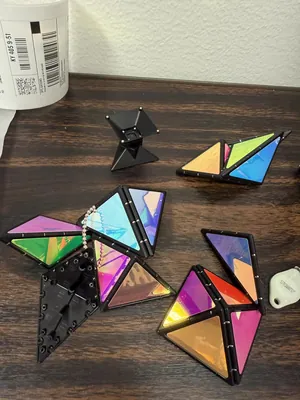
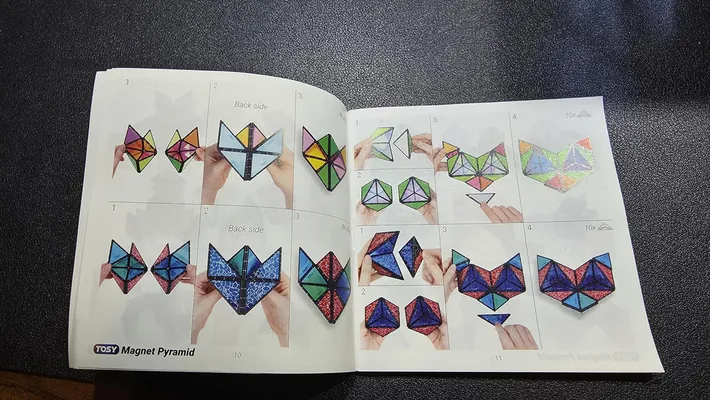
Magnetic shape puzzles fit this well. The one below is a cube that pulls apart into twelve triangular pieces with magnets along their edges, so it folds into stars, rings, and towers, then back into a cube. Interestingly, a lot of the enthusiasm for it came from adults: one buyer in their 40s called it the ultimate fidget and planned to bring it on a flight, a 50-year-old enjoyed it, and one parent wrote that it was the thing that finally got their son to put his phone down for a couple of hours. That broad appeal is a good sign for a 16-year-old—it doesn’t read as a little-kid toy.
What should you know before buying a magnetic puzzle?
- It’s twelve pieces. The “243” on the box counts magnets, not pieces. Several buyers expected more and said the bigger designs in the idea booklet need two or more sets.
- The magnets are gentle. Some buyers loved that pieces come apart easily for reshaping; others found builds collapse when bumped. The spinning display stand also comes apart easily.
- The glow version adds a small UV light that lets you “draw” glowing lines on the pieces. A few buyers’ boxes arrived without it.
- Keep it away from little kids. A couple of buyers found a loose magnet in the box or on the stand. Swallowed magnets can cause serious internal injuries, so this is a gift for a teen’s desk, not a toddler’s playroom (CPSC magnet safety).
Is a telescope a good gift for a teenager?
It can be, if he has shown any curiosity about space—or if he likes photography, since the moon through a telescope makes a striking phone picture. A telescope is also one of the few gifts that gets better as the user gets better. The catch is expectations. Ads and box art show galaxies and colorful nebulas; a beginner telescope shows the moon in sharp detail, bright planets as small disks, and a lot of stars. That is still impressive in person, but it helps to say so up front.
What can you actually see with a small telescope?
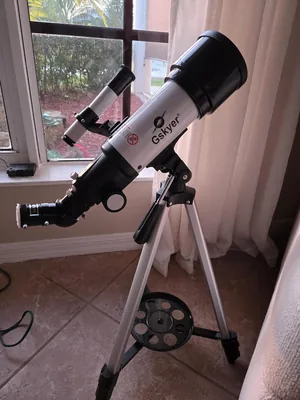
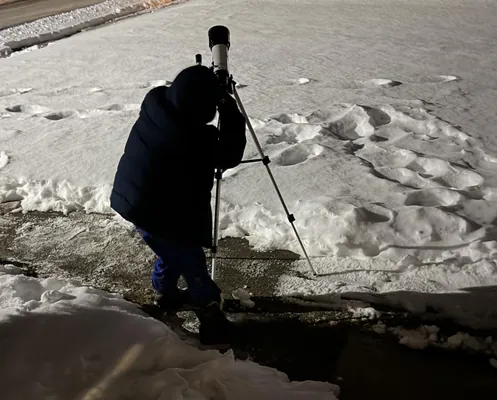
With a 70 mm beginner refractor like the one below, buyers most often reported crisp views of the moon’s craters within minutes of setting it up. Several saw Jupiter with its four largest moons as tiny points beside it, and a few made out Saturn’s rings. One experienced buyer was honest about the limits: galaxies and most nebulas are out of reach, light pollution matters a lot, and far more time goes into finding objects than looking at them. Their advice was that kids who like looking *at* things more than looking *for* things can get frustrated—which is a reason to start with the moon.
- Start with the moon and the low-power eyepiece. It is easy to find and teaches focusing. Buyers described the moon filling about a third of the view with the 25 mm eyepiece.
- Skip the 3x Barlow at first. Several buyers said it dims the view so much it’s hard to see anything; save it for bright planets.
- Use a free sky app. One couple found planets by pairing it with a planetarium app on their phone.
- Expect to nudge it. Without a motorized mount, the moon drifts out of view within seconds at high magnification.
- Never point it at the sun. Even a quick look through a telescope at the sun can permanently damage eyes; only use certified solar filters (NASA solar viewing safety).
It doubles as a spotting scope, too. Buyers used it to watch birds at a feeder through a window and to see turtles across a pond, which keeps it useful on cloudy nights. The trade-offs: the tripod is short (taller users will crouch), several people found the phone adapter fiddly to line up, and a few received a damaged eyepiece or focuser that the seller replaced. One parent bought it for a 15-year-old and said it was a hit; it fits best with a teen who will put in a little patience.






Are mini drones and RC planes too young for a 16-year-old?
It depends on the model and the teen. Small indoor-outdoor drones are easy to learn and fun to toss around a yard, but many are built for younger kids, and a teen who has already flown a real camera drone may find them tame. Where they shine is as a casual, laugh-out-loud toy for a group, or a first taste of flying for someone who has never tried it.
Before gifting any drone, check the rules. The FAA says recreational flyers must pass a free online safety test (TRUST) and carry proof of it, and drones over 0.55 pounds (250 grams) must also be registered (FAA recreational flyers). It takes a few minutes and is a good conversation to have along with the gift: fly in open space, stay away from people and roads, and keep it in sight.
What do buyers say about small foam drones shaped like jets?
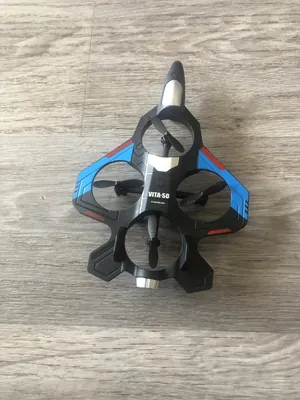
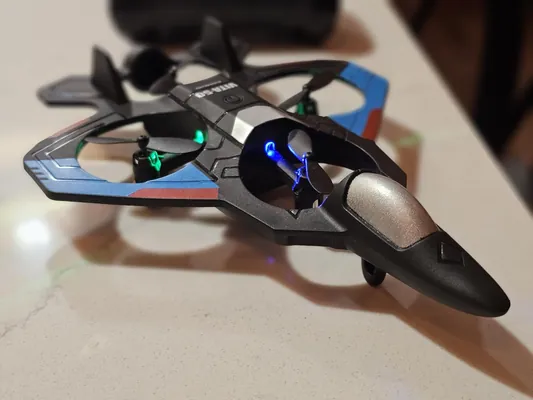
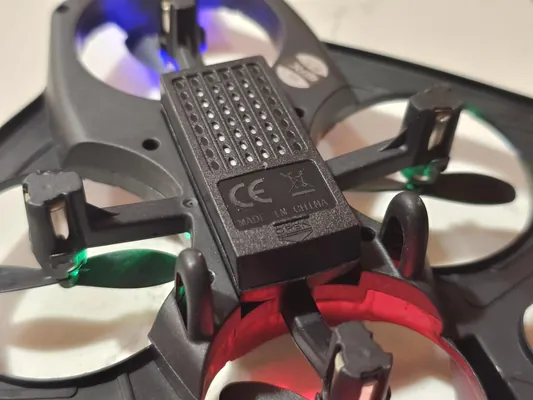
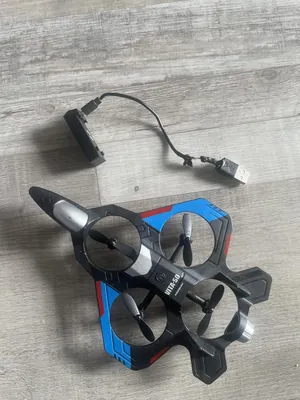
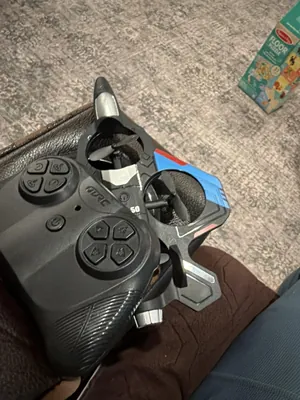
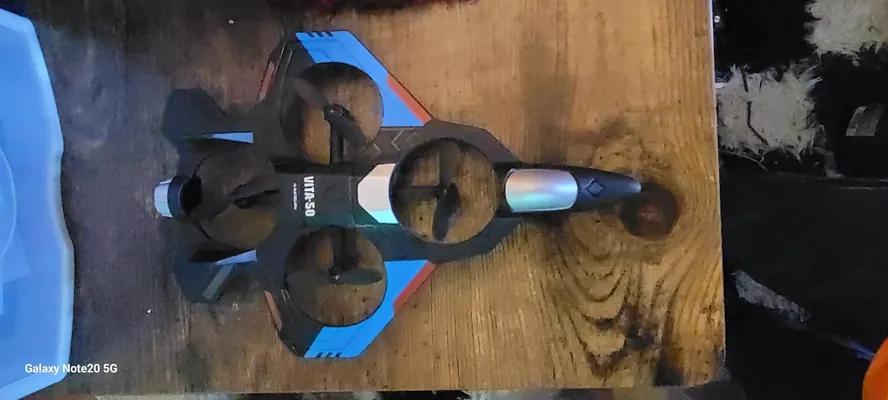
The jet-shaped foam drone below is really a small quadcopter dressed up as a fighter plane, with propellers enclosed in the body. Buyers liked how quickly kids learned it—one grandparent said even they could fly it—how well the foam survived crashes, the flip buttons, the LED lights, and the throw-to-launch trick. It comes with two batteries, which matters, because buyers reported roughly 10 to 15 minutes per battery; swapping one while the other charges keeps it going.
The honest picture is mixed. It is smaller than the photos suggest—one buyer measured it at about eight inches—and most purchases were for kids around 6 to 10. More importantly, a number of buyers reported controller buttons breaking or falling inside the remote within days, and three reported the charging cable melting or smoking. If you choose it, charge the batteries only while someone is nearby and on a hard, non-flammable surface, unplug them when full, and stop using any cable that gets hot (NFPA lithium-ion battery safety). For a 16-year-old, it fits best as a fun extra for a younger-at-heart teen rather than a main gift.
What if his birthday lands near Halloween or a big party?
Timing is a clue in itself. A fall birthday, a school dance, a music festival, or a group costume with friends all create a short window where one fun accessory gets a lot of use. Costume gear is also something teens rarely buy for themselves, so it still feels like a treat.
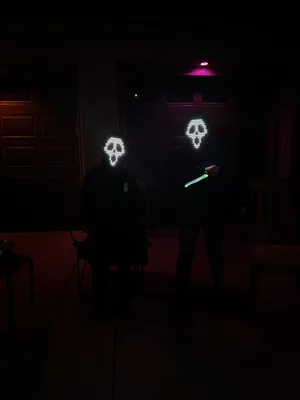
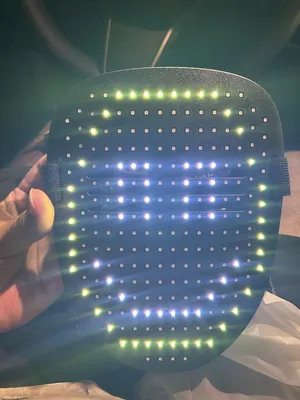
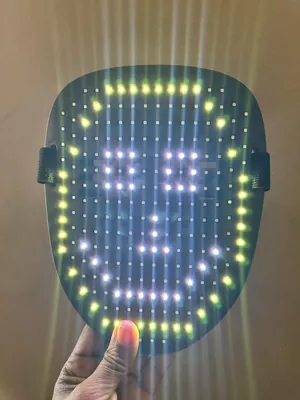
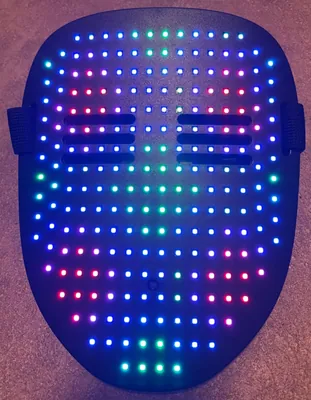
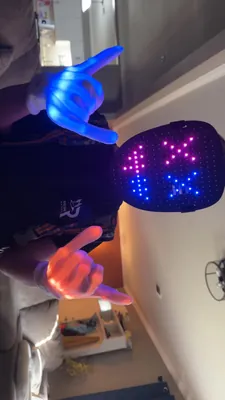
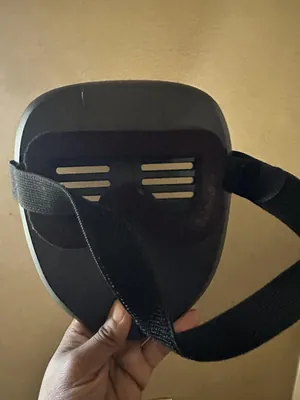
Light-up LED masks have become a popular shortcut: no makeup, no full costume, and the face changes on command. The one below switches among 50 patterns—faces, hearts, a ghost face, animations—when you wave a hand over a sensor. One parent said their teen wanted to match friends dressed as a horror-movie ghost and found that face among the designs; others said kids received compliments all night and that it was easy to see out of, which was a common worry.
- Battery life varies. Several buyers said it lasted all evening; one found it dropped to half in 15–20 minutes. Charge it fully (USB-C) right before heading out.
- Fit is adjustable. It has an elastic strap and foam padding; adults wore it too, though one buyer found the eye area didn’t sit perfectly on their nose.
- It skews young. Most buyers bought it for kids 7 to 11, so it suits a teen who enjoys costumes, parties, or festivals rather than one who will find it childish.

How do you tell if a gift will feel too young for him?
This is the question most adults worry about, and it is a fair one. A few quick checks help:
- Would he use it in front of friends? Group gifts and anything adults also enjoy pass this test easily.
- Who else buys it? If most people buying it are shopping for young kids, assume it reads young unless he is the playful type.
- Is there a skill to grow into? Telescopes, puzzles, and real sports gear scale up with him; single-trick gadgets don’t.
- Does it look good out of the box? Teens care about design. Plain black, metallic, or glowing finishes tend to land better than bright cartoon packaging.
If you are unsure, pair a playful item with something clearly grown-up—cash, a card for food with friends, or a plan to do something together. The mix keeps a fun gift from feeling like a misjudgment.
How do you make the gift land on the day?
- Charge it first. Rechargeable gifts that are dead on arrival lose the moment. Open the box, top it off, and repack it.
- Check the parts. Several buyers of the items above found a missing light or a damaged piece. Finding that before the birthday leaves time to sort it out.
- Keep the receipt handy. Return windows can be short; one parent lost theirs after a controller broke.
- Add a plan. A light-up disc plus “let’s go to the park Friday night,” or a telescope plus a date for the next full moon, turns an object into an experience.
- Keep the card short. One honest line—“I noticed you’ve been into…”—means more to a teen than a long message.
A simple plan when you still have no idea
- Spend one weekend noticing where his free time goes: outside with friends, at his desk, in a hobby, or at events.
- Ask one person close to him which of those is most true right now.
- Pick one gift for that moment, and check it isn’t aimed at a much younger age.
- Pair it with cash, a food card, or a plan you’ll do together.
- Charge it, check the parts, and keep the receipt.
Even if the gift misses, a teen notices when someone paid attention to how he actually spends his time. That is usually the part he remembers.