In this article
The best toddler Christmas gifts match what small children are busy doing anyway: copying grown-ups, moving their whole bodies, making small things with their hands, and repeating the same favorite game. Choose one gift for each of those, check the age label and small parts, and plan the setup before Christmas morning.
Most toddlers do not need a lot of presents on Christmas morning. They need a few things that match what they are busy doing at this age: copying the grown-ups around them, moving their whole bodies, filling and emptying and stacking, and going back to the same favorite thing again and again. A toy that fits that pattern gets played with for months. One that does not tends to get a minute of attention and then lives in the toy bin.
This guide walks through how to think about gifts for a one-, two-, or three-year-old: what they actually do with toys, how to check that a toy is safe for their age, which kinds of gifts tend to hold their interest, and how to make Christmas morning itself easier on the adults. The examples come from real products and what buyers reported about them, so you can see where each kind of gift works well and where it asks something of you.
What do toddlers actually want to do with a gift?
Watch a toddler for ten minutes and a few patterns show up. They want to do what you are doing: sweep the floor, stir a pot, carry a purse. They want to move: climb, push, roll, throw. They like cause and effect, such as pressing a button and hearing a song. And they like to repeat. Buyers describe it again and again, from a child who rides down a ramp every single day to one who spent weeks making ice cream for everyone in the house.
That points to a simple way to shop. Instead of asking what is popular for toddlers, ask which of these four things you want to give them room for:
- Moving: something to ride, push, climb, or toss.
- Copying grown-ups: child-sized versions of everyday tools and routines.
- Making: drawing, stacking, matching, and other small-hand work.
- Stories and traditions: something that lets them take part in the holiday, not just watch it.
One gift from each group is plenty. It also keeps the pile from becoming noise, which matters more than it sounds. A toddler surrounded by twenty new things often picks up three and wanders off.
Does it matter if they are one, two, or three?
A lot, because the same toy can be a great fit at 30 months and frustrating at 14. One buyer said a child was a little too short for a balance bike at first and a bit afraid of it, but fit it well after several months. A personalized name puzzle is a different challenge at one year old (chunky pieces to carry and match) than at three (finding the letters to spell a name). If you are unsure, pick the toy a child can use in more than one way, and treat the age on the box as a starting point, not a promise.
How do I check that a toy is safe for a one- or two-year-old?
The majority of toy injuries and deaths involve choking on small parts, according to the U.S. Consumer Product Safety Commission's holiday shopping tips. A few quick checks before you buy or wrap:
- Read the age label and take it seriously. Toys for children under three are not supposed to have small parts, and toys with small parts for older children must carry a warning, as the agency explains in its guidance on small parts. Some buyers use a 3+ toy with a younger child; that is a judgment call that only works with close supervision.
- Think about every child in the house. A toy for a four-year-old can still end up in a baby's hands. The same CPSC page reminds shoppers to consider younger siblings.
- Keep small balls away from children under three, and supervise older children with them.
- Watch for button batteries and strong magnets. Both can cause serious harm if swallowed, and both turn up in toys that look harmless. Check that battery compartments close securely.
- Add a helmet to any riding toy. The agency recommends helmets that are worn properly and sized to fit.
- Dispose of packaging promptly, especially thin plastic bags.
None of this needs to be a long project. Reading the label, looking at the pieces, and checking what runs on batteries takes a couple of minutes per toy and catches most of the problems.
Which gifts help a toddler burn off energy, especially in winter?
Winter makes a toddler's energy a household problem. Short days and cold weather mean a lot of hours indoors, and a child who cannot run outside will find another way to use all that motion. The gifts that work best in this category give the child something to do with their whole body, and ideally something they can start and stop on their own.
A ride-on that sets up indoors or out
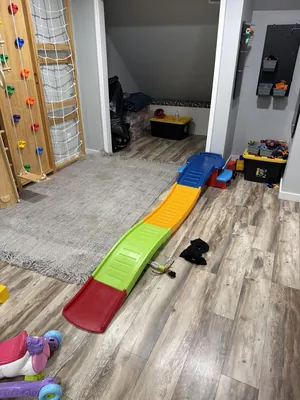
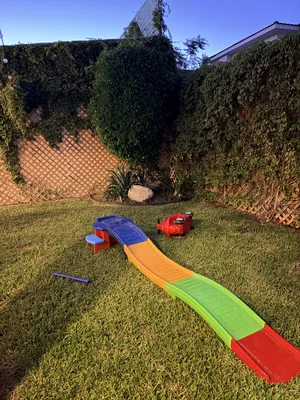
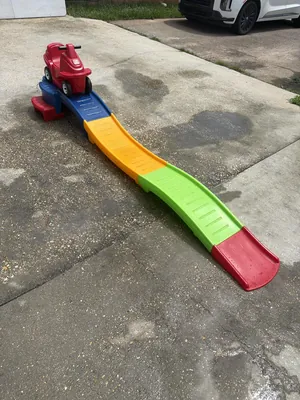
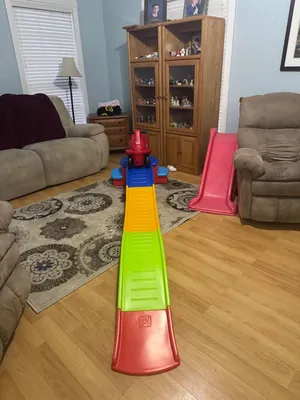
A low ramp with a ride-on car is a good example. The idea is simple: the child climbs aboard, rolls down, then pushes the car back up and does it again. According to the listing, the track is about nine feet long and comes apart for storage, and the plastic wipes clean. Buyers who gave it to children from about 16 months to three years described hours of repeat play, and several set it up in a living room or hallway during cold months. One said it takes up the length of their dining room, so measure first.
Be honest about the setup, though. Several buyers said the car was the hard part to assemble: the wheels, washers, and hubcaps snap onto metal axles, and a few needed extra patience or tools. One buyer said the step can tip if a child stands on its edge, and they use the ramp without it. If you are giving it as a surprise, assemble it ahead of time, not at 6 a.m.
A balance bike as a first step toward riding
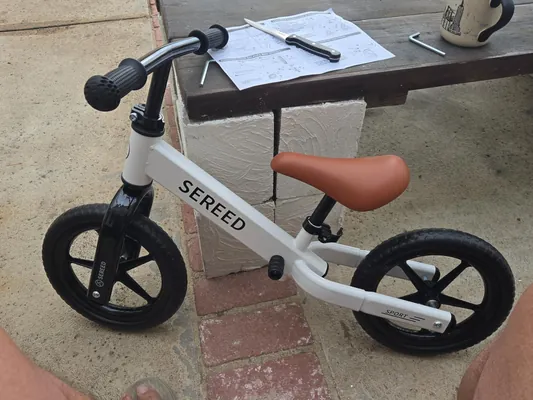
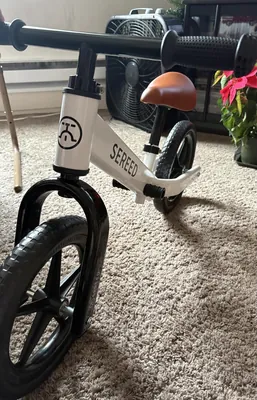
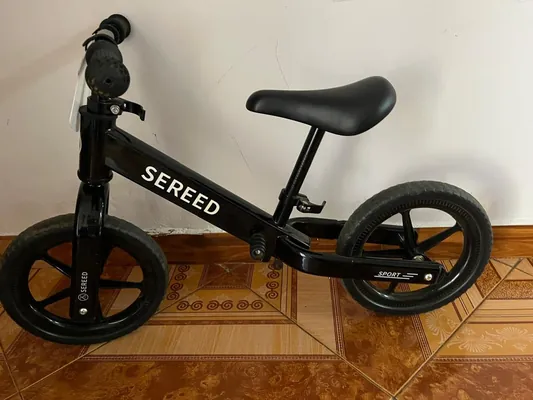
A pedal-free bike teaches balance and steering before a child has to coordinate pedals. The one in the listing has a seat that adjusts from about 12.6 to 17.1 inches and weighs about 7.8 pounds, so a small child can push it around on their own. Buyers whose children were close to three said they picked it up quickly; some with two-year-olds said the child was nervous for a while. A few were bothered that the tires are plastic or foam rather than rubber, so it suits smooth driveways and sidewalks better than rough ground.
A helmet is part of the gift. One buyer's only advice was to get one, and the safety agency says the same for any riding toy.
A hoop that works in a small space
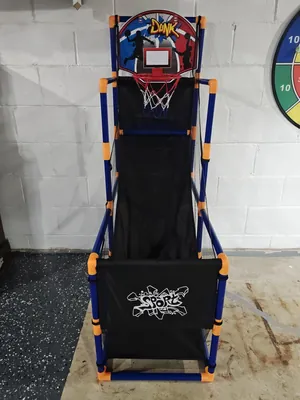
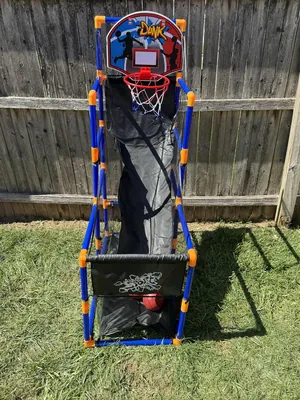
An indoor basketball set is a good fit when you want movement but have no yard. The one here has four balls and a net at the bottom that catches them, so the game does not send balls rolling across the house. Buyers with children from about two to five said it fit a corner of a playroom and held attention. They also said it is built from thin tubing, so it works best for small children, not older kids who play rougher, and a few reported missing pieces or parts that did not last. Because the balls are small, think about the age rating if there is a baby in the house.
Why do toddlers want their own broom, and what can they use instead?
If your toddler keeps going for the real broom, mop, or kitchen utensils, that is not mischief. It is how they learn how the world works, and it is often the strongest clue about what to give them. A child-sized version lets them do the same job safely, and several buyers said that was why they bought it: one described a child who kept grabbing the family mop and was thrilled to get his own.
A cleaning set with a stand
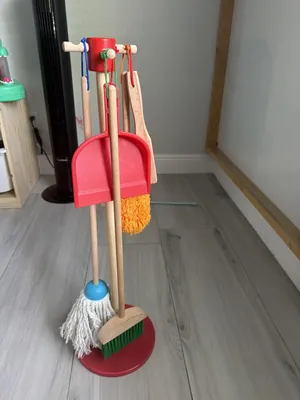
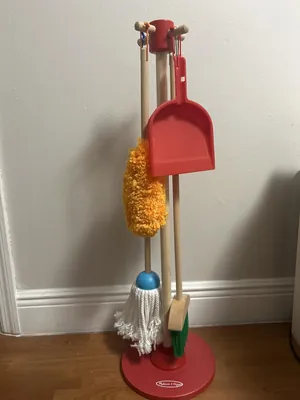
A wooden broom, mop, duster, and dustpan on a stand gives a toddler a job and a place to put the tools back. Buyers with children from about 15 months to three years said their kids started helping the moment the adults began sweeping. A few said the hooks are hard for very young children to hang things on, and others noted bent bristles on arrival. One buyer said the pole that fits into the base takes real force, so it may need a grown-up with a rubber mallet.
A play shop with a counter
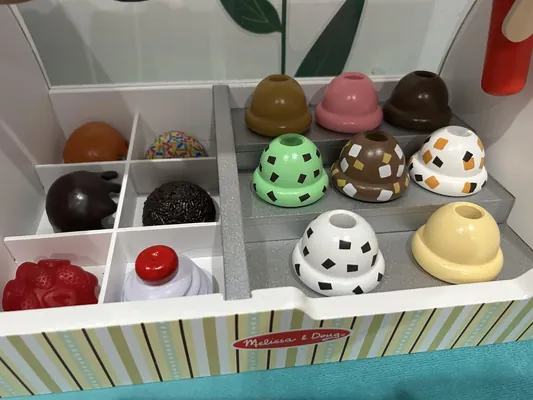
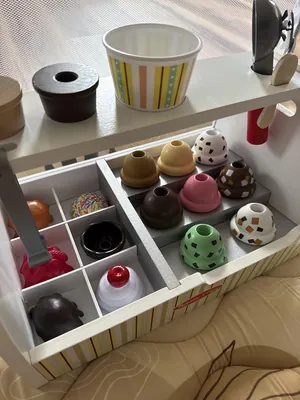
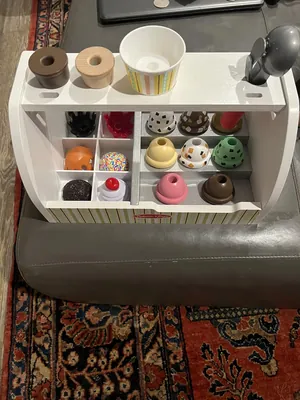
An ice cream counter is pretend play with a built-in routine: take an order, scoop, stack, serve, and handle the play money. Buyers described children from about a year to four years old playing with it daily, with older siblings joining in. The scoops and cones are wood and the scooper actually picks up the pieces, which one buyer liked because it works the way the picture suggests. A couple of buyers got sets with missing pieces, so check the contents when it arrives.
A tent that becomes their own place
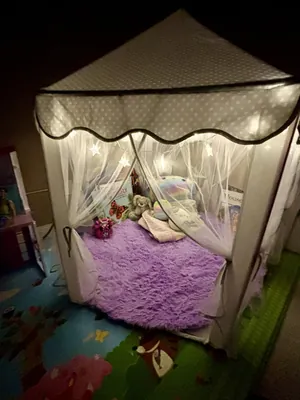
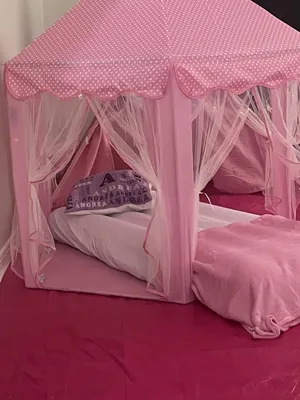
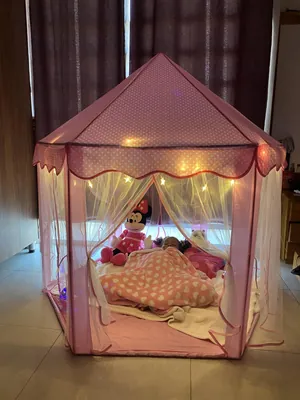
A play tent is less a toy than a spot of their own. Buyers said children from one year to seven used it for reading, quiet time, and games with stuffed animals, and several put a rug or cushions inside. The listing gives the size as 55 by 53 inches, and a number of buyers were surprised by how big it is once assembled, so measure the corner you have in mind. A few said the fabric and poles feel on the thin side for rougher play, and one found the ties that hold the poles came loose during assembly.
What can a toddler do on their own when they need something calmer?
Toddlers need a few things they can settle into without a grown-up directing them. Drawing and matching are two of the easiest, because they use the same small-hand skills a toddler is working on anyway.
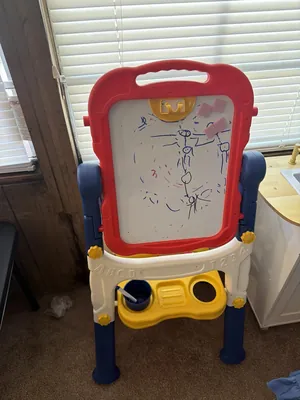
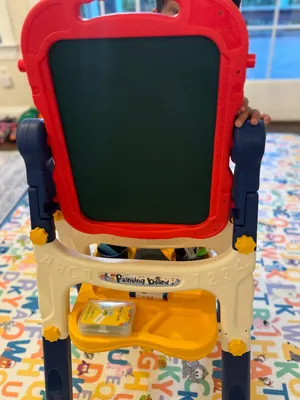
A standing easel
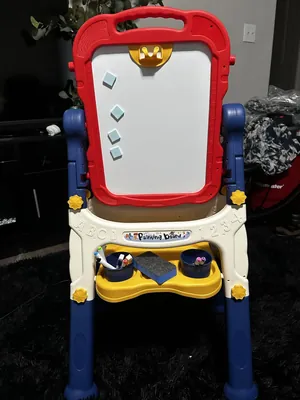
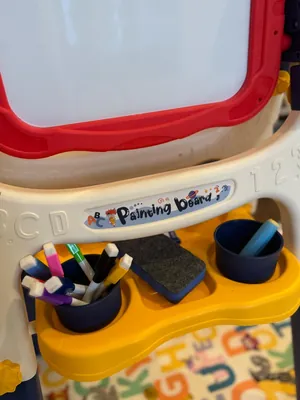
A double-sided easel with a dry-erase side and a chalkboard side lets a child draw standing up, which suits a toddler better than sitting at a table. The listing says it comes with chalk, markers, and a tray, and buyers said it includes two sets of legs for different heights. Buyers said it was the right height for children around two to three and that the tray keeps supplies in one place. Two cautions came up: the legs can loosen and fall off if the bolts are not tightened, and one buyer said the included markers stained clothing and furniture, so consider washable ones. A few buyers with taller or older toddlers found it too short.
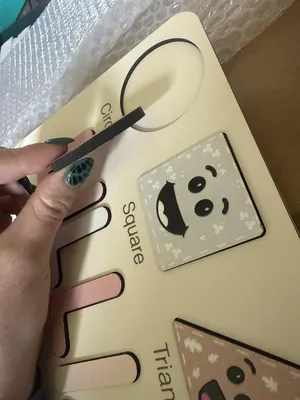
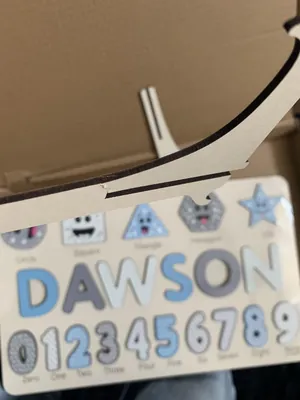
A name puzzle that grows with them
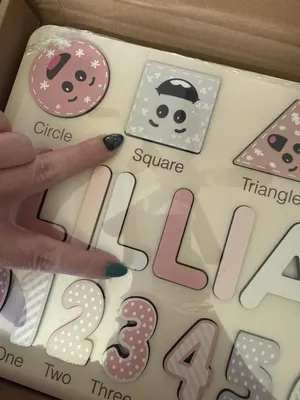
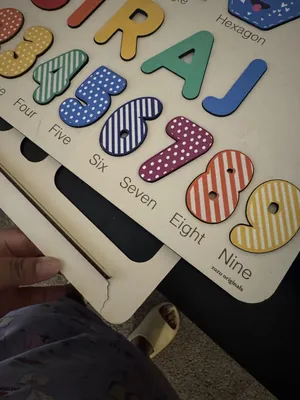
A personalized puzzle works because it is both a toy and a keepsake. A child can lift out letters and shapes now and learn to spell their name later. The set in the listing offers a stand, color choices, and an engraved message. Buyers said it arrived faster than expected for a custom item, and when letters or colors were off, the seller fixed it. Others noted the pieces are thinner than the pictures suggest and that a few arrive with small chips, so for children under two, keep a close eye on how they use it. Check the name spelling carefully before you order.
Is there a toddler-friendly way to include the Christmas story?
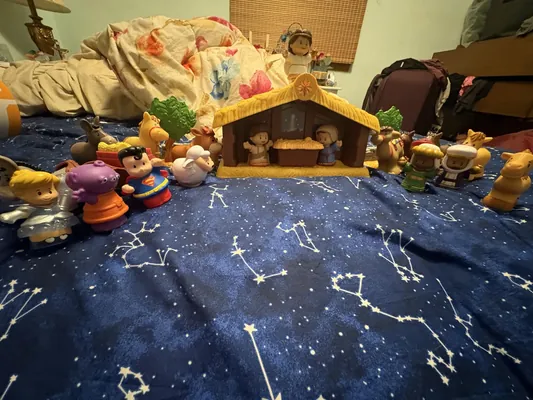
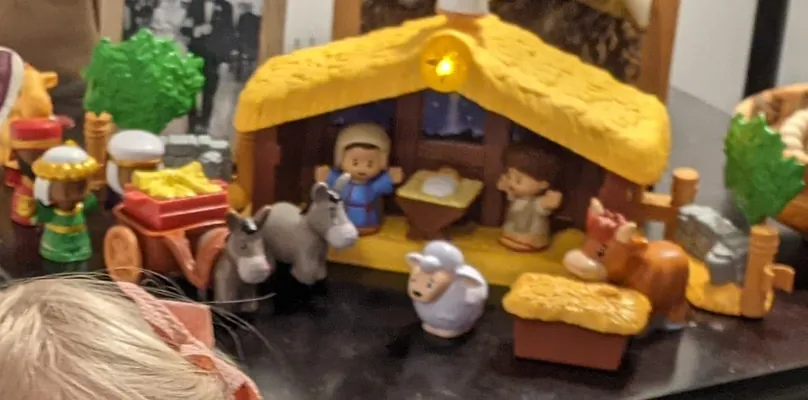
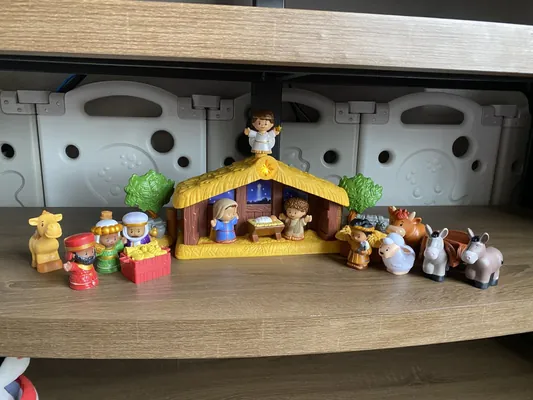
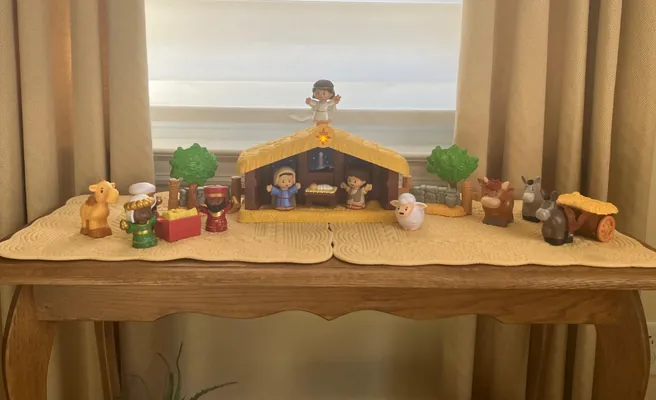
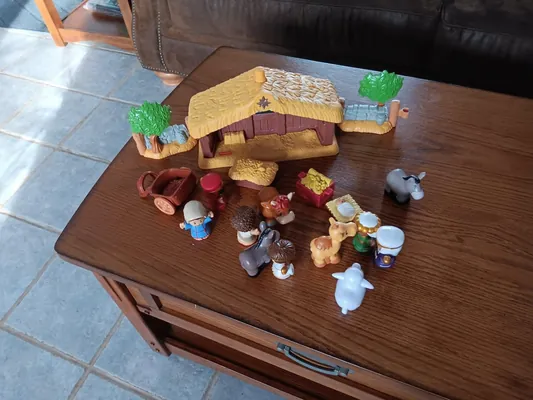
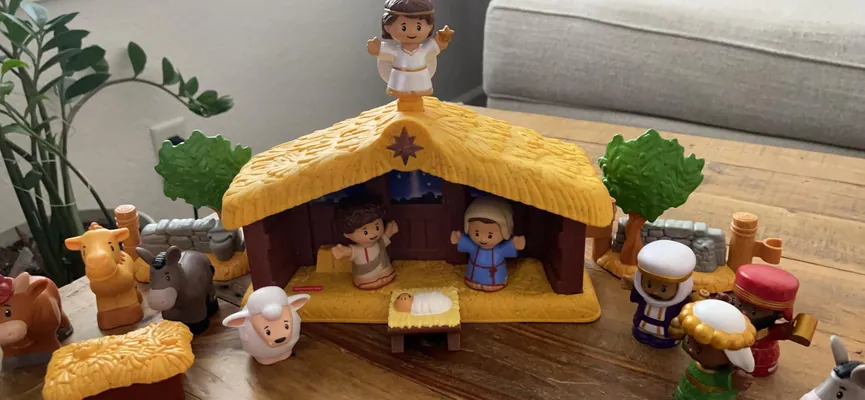
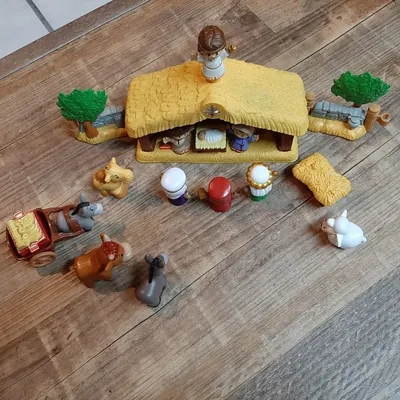
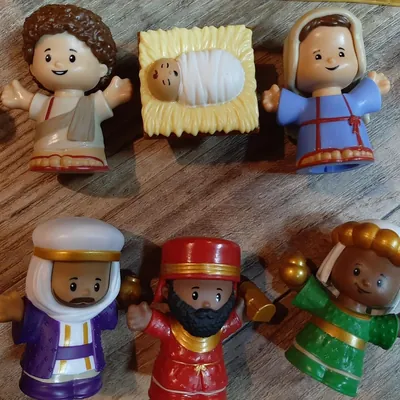
Many families have a nativity set that is not meant to be touched. A toddler does not know that, and a set that stays out of reach can feel like a puzzle they are not allowed to solve. A sturdy play version lets a small child do what they want to do anyway, which is hold the baby, move the animals, and carry the figures around the room.
The set in the listing has a stable with a star that lights up and plays a short tune, 12 figures, and 5 play pieces. Buyers with children from about 16 months to four years said it held up to play, and several kept it near their display set so the child had one of their own. A few things to know ahead of time: it plays only one song, some buyers noted that no shepherd figure is included, and a couple said a few animals tip over unless they are placed carefully. Most said it is far sturdier than a traditional ceramic set, which is the point.
How do I make Christmas morning easier with a toddler?
Most of the stress around toddler gifts is not about the toys. It is about timing, batteries, assembly, and a lot of paper. A few habits help.
- Open the box early. Several buyers said a box arrived torn or taped, and some found missing pieces only after starting assembly. Check the contents days before Christmas, not on the morning, and keep the instructions.
- Assemble ahead of time. Buyers said the car on a ride-on took longer than the rest, and another worked out a basketball set from the picture on the box. If a toy comes in pieces, plan a quiet hour.
- Make room first. The ramp track, tent, and basketball stand all need floor space. Pick the spot before the gifts arrive, so you are not moving furniture while a toddler waits.
- Stock batteries and a screwdriver, and put battery compartments back together securely.
- Keep one or two gifts for later. One buyer who gave a ride-on to a child just under three said it was a great gift for winter when they were stuck at home, but that after a few weeks it was used much less without other kids to play with. Holding something back for a rainy week can bring a toy back to life.
- Wrap with the box in mind. A carton that shows the toy through a torn corner spoils the surprise. If a gift ships in a plain carton, put it inside another box or a bag before wrapping.
Last, remember that a toddler's opinion of a gift can change in a day. The big box may win on Christmas morning, and the small wooden cone may be what they carry everywhere in January. Either is fine. The goal is a few things they can use in their own way, in a house with room for them.