
In this article
The best way to thank a coworker, teacher, or staff member is a specific, handwritten message, with a small useful gift when the occasion calls for one. Keep workplace gifts modest and equal, check any gift rules where they work, and when you’re thanking a group, make sure nobody is left out.
Saying thank you at work sounds simple until you try to do it. Is a gift too much for a boss? What if you want to thank twelve people on a budget meant for three? How do you thank the nurse who stayed with your family on the worst night without it feeling like a transaction? The good news is that the size of the gift matters far less than whether the person feels seen.
This guide covers what makes a thank-you land, the etiquette that keeps workplace gifts comfortable, how to thank a whole team fairly, and what to write when you don’t know what to say. Ready-made gift sets come up where they genuinely save time, but you can follow almost every step here with a card and a pen.
What makes a thank-you actually mean something?
People remember being noticed. A generic “thanks for all you do” is kind, but “thank you for staying late to rebuild the schedule when Dana was out” tells someone exactly which effort mattered. That specificity is free, and it is the part most gifts skip.
A small gift works best as a carrier for that message. It gives the moment a little weight, something to hold, and something that stays on a desk afterward as a reminder. If you only have time for one thing, write the note. If you have time for two, add a small, useful item.
Does it have to be a gift at all?
Not always. A sincere email copied to someone’s manager, a public shout-out in a team meeting, or a short written recommendation can matter more for a person’s career than anything in a bag. Gifts fit occasions people expect to be marked—Teacher Appreciation Week, Administrative Professionals Day, the last day of school, a coworker’s farewell, the holidays—or moments when you want to thank someone outside your workplace, such as a hospital nurse or a mentor.
What kinds of gifts tend to work?
- Things that get used at a desk: a lidded drink glass, a notebook and pen, a small plant (real, or crocheted for people who forget to water).
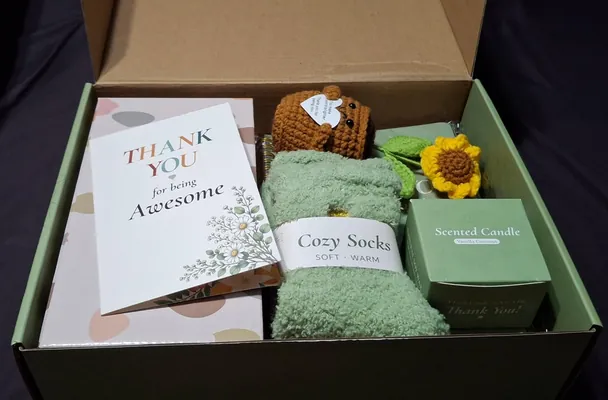
- Small comforts: cozy socks, a lightly scented candle, a nice bar of soap. These suit people you know a bit, less so a large group with unknown scent sensitivities.
- Consumables: coffee, snacks, or a treat for the break room, which disappear instead of adding clutter.
- Words: a handwritten card, always.
Is it okay to give your boss or coworkers a gift?
Usually, yes, as long as the gift is modest and nobody is left feeling obligated. A few long-standing conventions keep it comfortable.
Giving up, down, and sideways
Gifts tend to flow downward or sideways at work: managers thank their teams, and coworkers exchange small tokens. An individual gift to your own boss can look like currying favor, so many people prefer a group gift from the whole team, signed by everyone, with each person chipping in what they are comfortable with. A manager thanking staff, on the other hand, should keep gifts equal so no one reads favoritism into them.
Check the rules before you buy
Some workplaces cap what employees can give or receive, and public employees can be covered by ethics rules. U.S. federal employees, for instance, generally may not give gifts to their superiors, with an exception for occasional gifts worth $10 or less per occasion, such as for a birthday or holiday. Public schools, hospitals, and government offices often have their own policies, so a quick look at the handbook or a question to HR or the front office can save an awkward return.
How much should you spend?
There is no correct number, and a modest amount is often more comfortable for the person receiving it. When you are thanking a group, it is fine to spend less per person. What matters is that everyone gets the same thing and a personal line or two.
How do you thank a whole team without leaving anyone out?
Group thank-yous go wrong in two ways: someone gets missed, or the gifts look unequal. Both are easy to avoid with a little planning.
- Make a list first. Include the people who are easy to forget: the night shift, part-time aides, custodial and housekeeping staff, the front desk, the person who works remotely.
- Give everyone the same thing. Matching gifts avoid any sense of ranking. Personalize with the note, not the price.
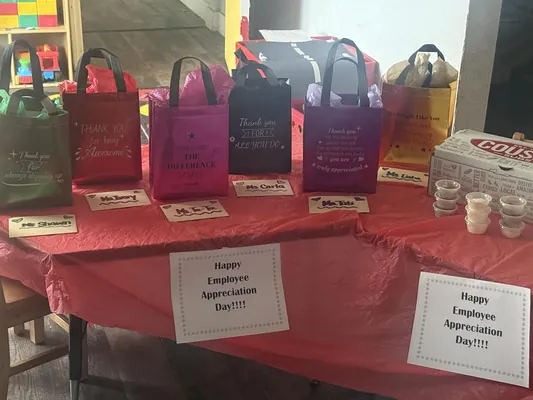
- Add names. One buyer of a matching set wrote each person’s name on the gift bag, which turned a bulk purchase into something that felt individual.
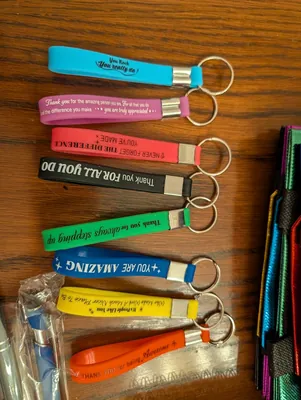
- Vary the message. Another buyer liked that each set in a kit carried a different encouraging phrase, so coworkers opening theirs side by side didn’t all read the same words.
- Plan for extras. Get one or two more than you need for the new hire, the person you forgot, or the substitute who stepped in.


Thanking a large group on a tight budget
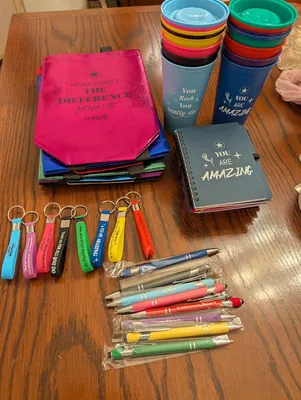
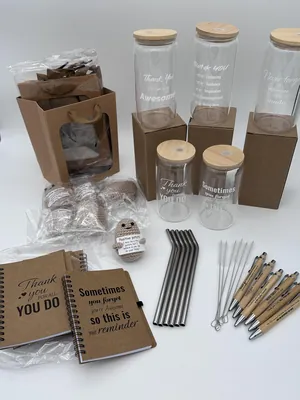
For a group of eight or more—the staff at a child’s preschool, a housekeeping department during its appreciation week, a women’s group—buying pieces separately and assembling them can take a whole evening. A kit that already comes with bags and tissue paper cuts that to minutes. Buyers who used one eight-set kit for daycare staff, a women’s group, and a housekeeping team mostly praised how easy it was to hand out; one called it “cute but kinda cheesy,” which is fair warning if your group isn’t into inspirational slogans.
According to the listing, each of the eight sets includes a gift bag, tissue paper, a notebook, a pen, a reusable cup with a lid, and a silicone keychain, with a different motivational phrase on each set. One buyer noted the cup is thick plastic rather than glass, which makes it sturdy to hand out but less polished than a glass tumbler.
When you want each gift to feel more substantial
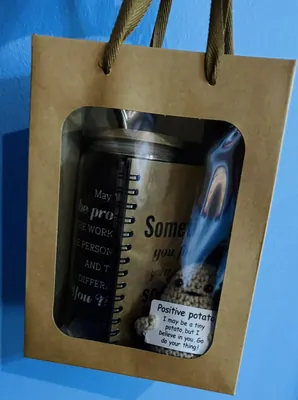
For a smaller team—six teachers, a handful of employees at a family restaurant, the core group on a project—a glass drinking cup feels more like a keeper. One small-business owner described using a six-person set to thank employees after a good shift or on a birthday, since tight margins limited raises. End-of-year teacher gifts and graduation came up often too.
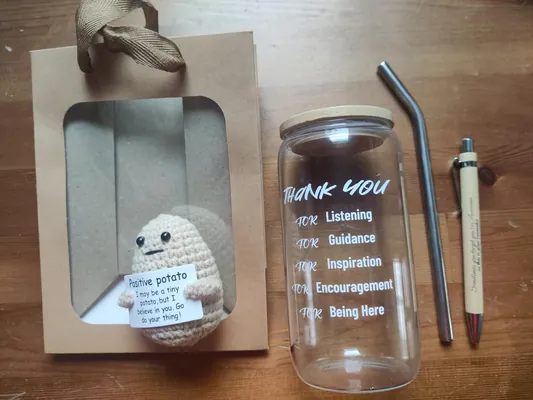
The listing for that six-set kit describes a 16-ounce glass cup with a bamboo lid, a stainless straw and cleaning brush, a notebook, a bamboo pen, and a small crocheted potato holding an encouraging message, all packed in a kraft bag with a window. Buyers said the sets can be given whole or split; one shopper stretched six sets into twelve smaller teacher gifts.
What should you give one person who went above and beyond?
Thanking one person leaves more room to match the gift to them. Think about where they spend their day. A nurse on her feet for twelve hours might love cozy socks and a candle for her time off. A boss at a desk will actually use a good glass tumbler for iced coffee. A career advisor or mentor might value a notebook and a heartfelt card more than anything else.
If you know the person well, choose one thing they will enjoy and write a longer note. If you don’t—say, a hospital nurse you met during a family emergency—a coordinated set of small comforts lets them keep what they like and pass on the rest.
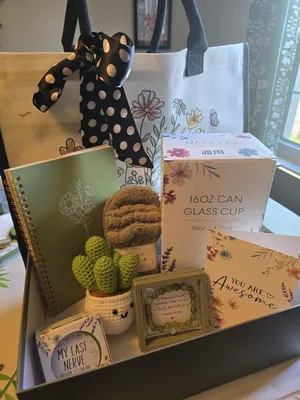
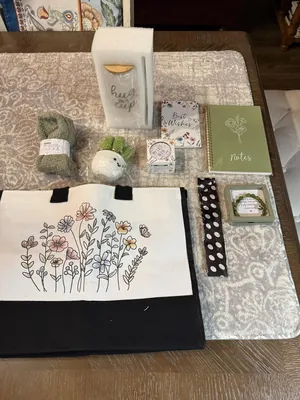
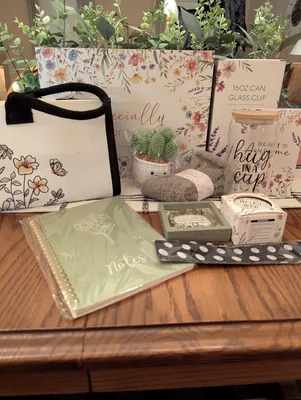

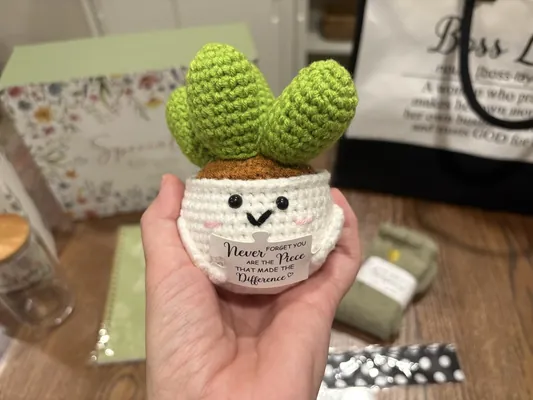
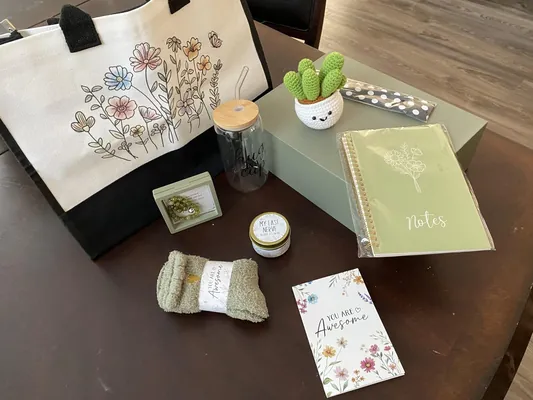
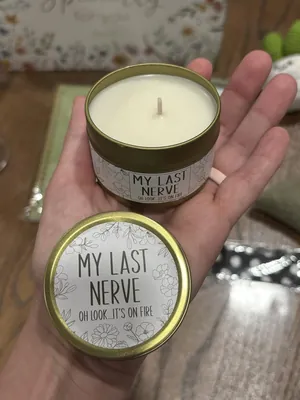
A boxed set built around a large zippered canvas tote is one option when you want the gift to look generous without assembling a basket. Its listing describes a 17-by-13-by-7-inch tote, a 16-ounce glass cup with a straw, a crocheted cactus, a 2.8-ounce vanilla coconut candle, a spiral notebook, a bracelet, fuzzy socks, and a ribbon in a printed gift box. One buyer gave it to the nurse who cared for their uncle at the end of his life; another sent one as a get-well gift. Buyers noted the socks shed a little and suggested keeping the cup’s lid out of the dishwasher, and one found the mix of items a bit random. Printed phrases on the tote and cup vary by version—some are playful, like “Boss Lady” or “Chaos Coordinator”—so check that the version you choose suits the person.
What if the person is going through a hard time?
Sometimes a thank-you overlaps with support: a teacher who just lost a parent, a coworker in treatment, a volunteer who has carried a lot this year. Gentle, encouraging items fit better here than jokes about chaos or coffee. If the person’s faith is an important part of their life, a gift that reflects it can feel especially personal, but only when you know it will be welcome. When you aren’t sure, a neutral card and a comfort item are the safer route.
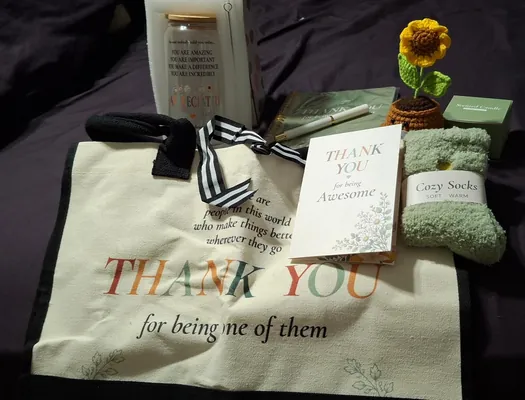
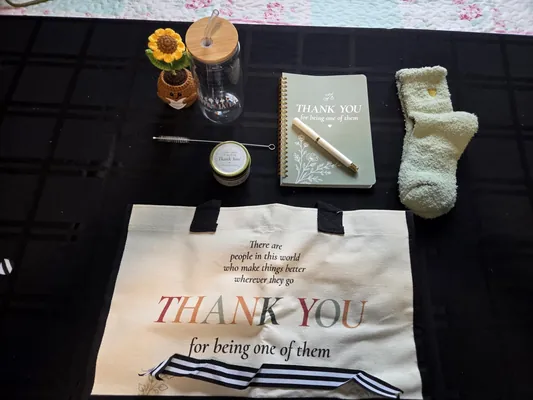
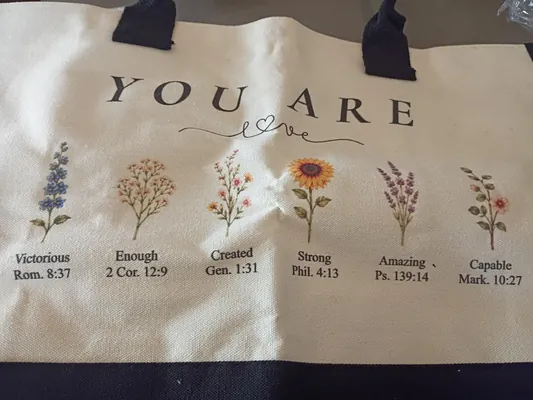
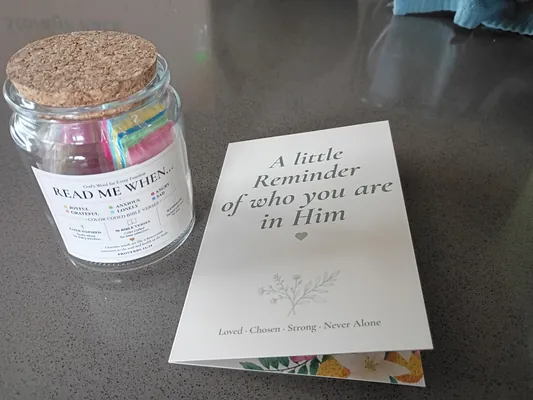
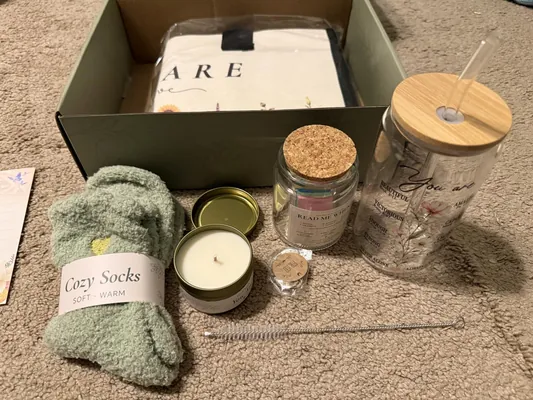
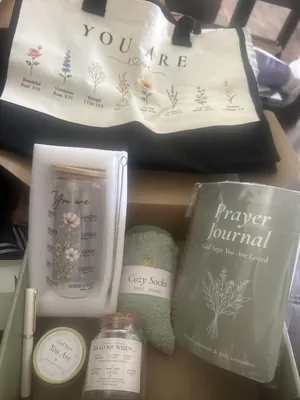
One faith-centered option comes in a sage green box with a canvas tote, a 16-ounce glass cup with a lid and straw, knitted flowers, a 2.8-ounce vanilla coconut candle, a spiral prayer journal, cozy socks, a jar of short verses, and a blank card for your own message, according to its listing and buyers’ photos. One buyer moved everything into the tote and added fresh flowers for a friend going through cancer treatment; another gave it to a son’s career advisor. Buyers described the items as coordinated and a good size. With Bible verses throughout, it is clearly a gift for someone who shares that faith.
What if you’re short on time, money, or distance?
Last-minute thank-yous happen: the retirement party is tomorrow, the farewell lunch got moved up, or the person you want to thank lives across the country. A few practical moves help.
- Keep one spare gift in the closet. More than one buyer said they keep a boxed set on hand for exactly these moments.
- Ship it to yourself first if presentation matters. Several buyers were disappointed that a shipping label was stuck straight onto a printed gift box. If you want the box to look pristine, have it delivered to you, then rewrap or hand-deliver it.
- Check the box size. Small gift boxes can look larger in photos. Two buyers said one box was smaller than they expected, even though they liked what was inside.
- Add your own words. A gift that arrives with only a packing slip feels anonymous. Many sets include a blank card; if you ship directly, use the gift-message option.
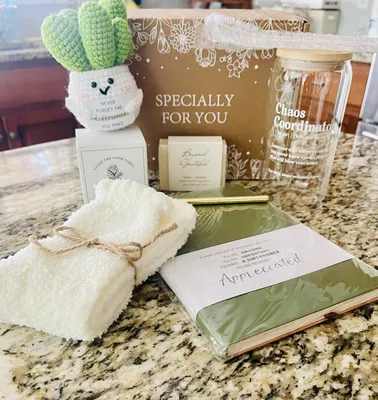
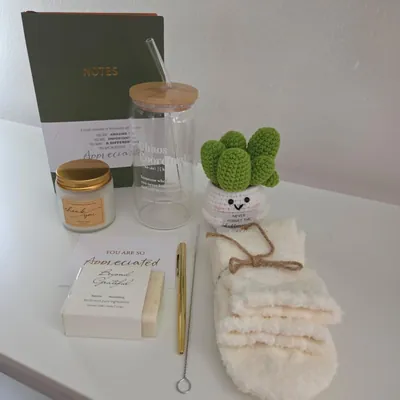
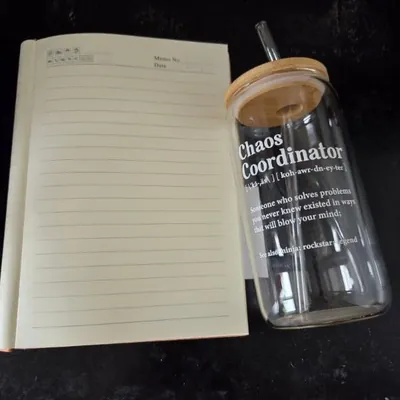
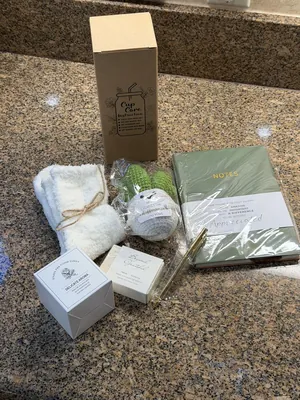
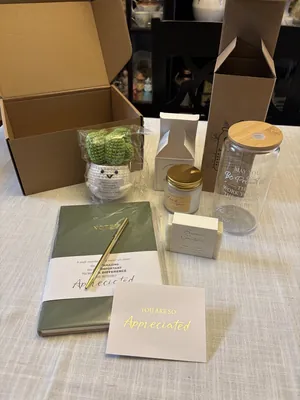
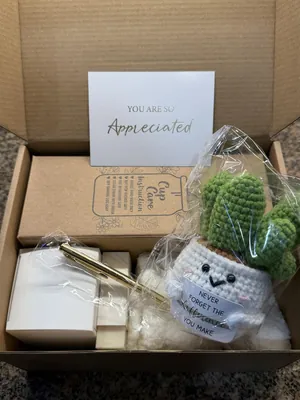

For a single thank-you around twenty dollars, a compact kraft box covers the basics. Its listing describes a 16-ounce glass cup, a notebook, a pen, a crocheted succulent, a scented candle, an oatmeal soap, and a thank-you card. Buyers gave it to a boss, a favorite coworker, a member of a widows’ group on her birthday, and a long-distance relative at retirement; one noted it arrived in time for a last-minute gift. The main caveat buyers raised was the box itself being smaller than pictured, and one suggested moving the contents into a basket for a nicer presentation.
What should you write in a thank-you note to a coworker or teacher?
Keep it short and specific. Three sentences are plenty: what they did, what difference it made, and a warm closing. If you are writing many notes, start each one by recalling a single moment with that person; it is easier than hunting for new adjectives.
- For a coworker: “Thank you for jumping in on the client report when I was out sick. You made a stressful week so much easier, and I owe you a coffee.”
- For a boss: “Thank you for backing my idea in the planning meeting. It meant a lot to know you trusted me with it.”
- For a teacher: “Thank you for the extra time you spent helping Maya with fractions. She came home proud of herself, and we noticed.”
- For a nurse or caregiver: “Thank you for the kindness you showed our family. You made a hard night bearable.”
- For someone leaving: “It has been a pleasure working with you. Thank you for always answering my questions, even the silly ones. Your new team is lucky.”
Should you sign a group card or write your own?
Both, if you can. A group card is perfect for a farewell or a boss, but if you worked closely with the person, a separate personal note will mean more than one more signature squeezed into a corner.
How do you make appreciation part of everyday work?
The most valued thank-yous are often the ones nobody had to schedule. Mention good work while it is fresh, tell people’s managers when they helped you, and remember the people whose work you only notice when it doesn’t get done. A gift on a special day is a nice addition to that habit, not a substitute for it.
If you take one thing from this guide, let it be this: write down exactly what the person did. Whatever you hand them along with it, that sentence is the part they are most likely to keep.