
In this article
The most helpful things you can offer a woman in cancer treatment are specific, low-pressure, and easy to say yes to: a ride on a set day, a dinner left on the porch, or something soft and practical that makes long days easier. Before you send a gift, ask what she is dealing with and what she would like, since scents, themed items, and timing all matter.
When someone you love is in treatment, the urge to do something is strong and the right move is not always obvious. Cancer treatment can mean long infusion days, tiredness that comes and goes, changes in taste and smell, and a body that does not feel like her own. This guide covers what tends to help, what to ask before you send anything, and how to match a gift to the specific part of treatment she is dealing with.
You do not need to buy anything to be useful, and most of the advice here works without a purchase. When a gift does make sense, the best ones are quiet and practical: warmth for cool treatment rooms, steady footing at home, something gentle to do while time drags, and a short note that asks nothing of her.
What actually helps a woman going through cancer treatment?
Treatment is rarely one long, hard stretch. Many people describe good days and hard days, often following the rhythm of their treatment schedule. That is why the most welcome help is flexible: it works on a good day, and it does not become a chore on a hard one.
- Specific offers beat open ones. “Let me know if you need anything” puts the work of asking on her. “Can I bring dinner Thursday and leave it on the porch?” is easy to answer.
- Let her set the pace. Some women want company during infusions. Others want quiet and a text that says there is no need to reply.
- Follow her lead on the words. Not everyone likes “fighter” or “warrior” language. Use whatever she uses herself.
- Keep going after the first week. Cards and casseroles pile up at diagnosis, then taper off while treatment continues for months.
Is a gift the right way to help?
Sometimes a ride to an appointment, a load of laundry, or a walk with her dog will matter more than anything in a box. A gift makes the most sense when you live far away, when treatment will be long, or when you want to add something tangible to the practical help you are already giving. If you are not sure, ask someone close to her, such as a partner, sister, or adult child who is helping with her care.
What should you ask before you send anything?
A few answers change what is useful. You can often get them from a quick text or from someone in her household.
What kind of treatment is she having, and where?
Infusions at a cancer center, daily radiation visits, surgery recovery at home, and oral medication each call for different things. Hospitals and cancer units also set their own rules about what patients may receive, including flowers and plants, so check before anything is delivered to a unit.
Does she want cancer-themed gifts at all?
Some women find a pink ribbon or an encouraging message comforting. Others would rather have a gift that has nothing to do with the diagnosis, like a very soft blanket or a good pen. When you cannot ask, a neutral item is the safer choice.
Are scents a good idea?
Treatment can change how things smell and taste. Cancer Council Australia notes that people may become sensitive to certain smells. A candle, bath product, or lotion that smells lovely to you can be too much for her on the wrong day. Unscented or lightly scented choices are easier, and a scented gift works best when she has told you she likes the scent.
How do you keep her warm and comfortable on long treatment days?
Infusion visits can be long, and treatment rooms are often cooler than people expect. Memorial Sloan Kettering suggests dressing in layers, says patients may bring a non-electric blanket, and notes that the unit can provide warm blankets during treatment. Policies differ by center, so a quick question about what she can bring avoids a wasted gift.
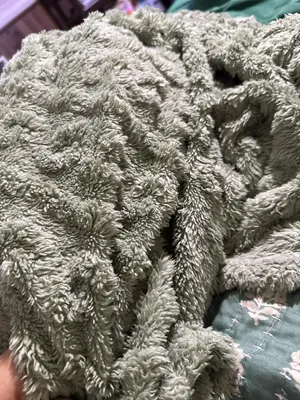
Two kinds of warmth tend to come up: a layer she can wear, and a blanket she can spread over herself at home or in a chair.
Is a wearable blanket easier than a regular throw?
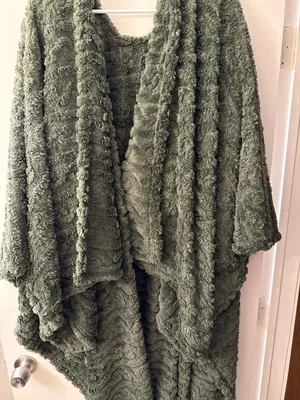
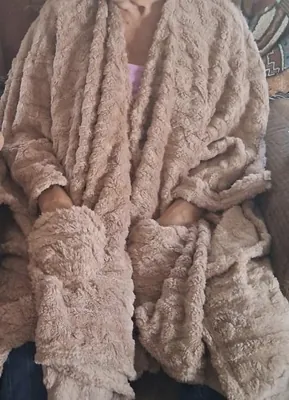
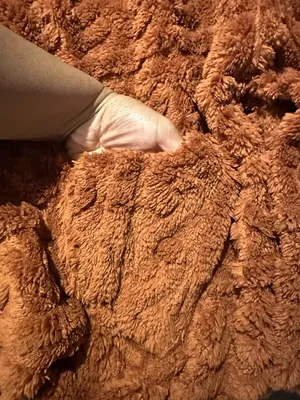
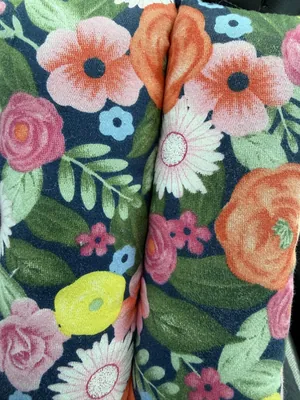
A shawl-style wrap stays on the shoulders when she gets up to walk to the restroom or sits through a long appointment, and pockets hold a phone, tissues, or lip balm. The listing for the sherpa fleece wrap below describes a 58 by 64 inch size with a snap closure and two pockets, and says it is machine washable. Buyers who liked it often called it soft and warm without feeling heavy, and one described wearing it during treatments. A few warned that it is long if you are short, and one reported rust on the snap, so it is worth checking the closure when it arrives.
What about a blanket with an encouraging message?
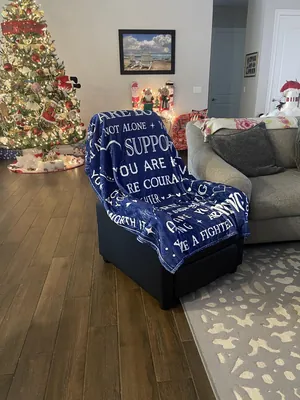
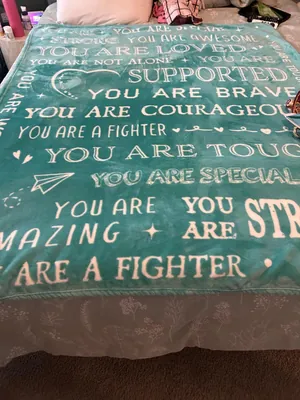
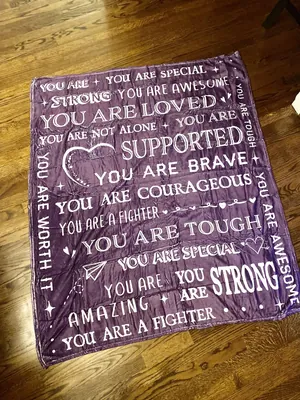
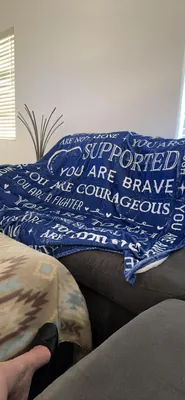
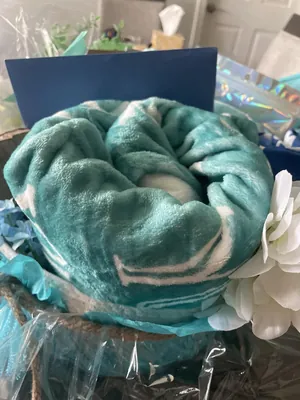
Printed messages such as “You are brave” and “You are not alone” can make a blanket feel like a note she can wrap around herself. Buyers describe this one as soft, and several gave it to friends in treatment or in the hospital. One said they bought around fifteen for a local chemo center. Feedback on size and thickness was mixed: the listing says 50 by 60 inches, but one buyer measured a smaller blanket and another found it thinner than they wanted. If she runs cold, a thicker wrap may be the better pick.
Are grippy socks a good idea during treatment?
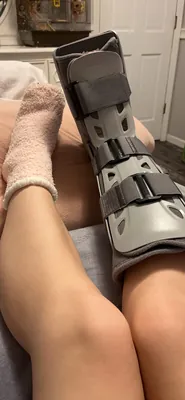
Some cancer treatments can cause numbness, tingling, or pain in the hands and feet, called peripheral neuropathy. A 2023 meta-analysis in Integrative Cancer Therapies found that people with chemotherapy-induced neuropathy had a higher risk of falls than those without it. Cancer Council South Australia recommends keeping feet warm, avoiding thick-soled slippers that can cause tripping, and clearing loose rugs and clutter.
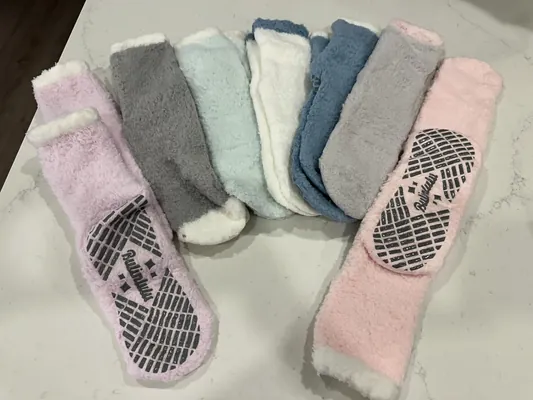
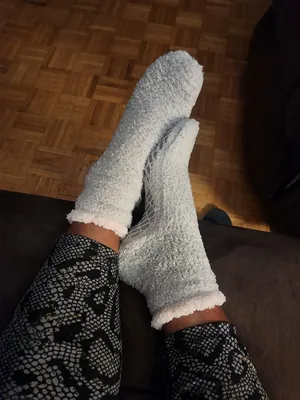
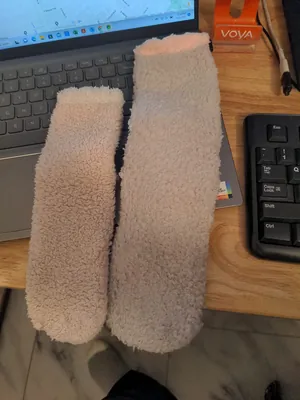
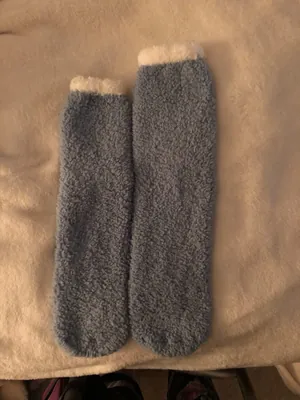
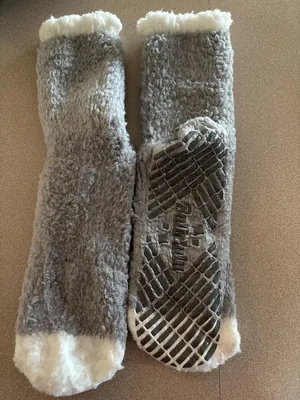
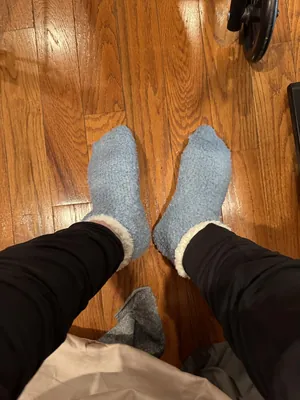
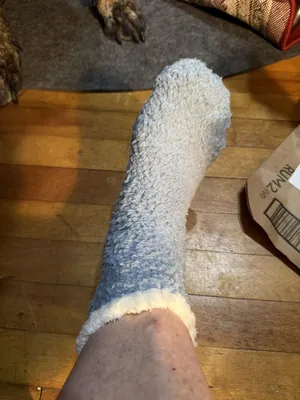
That makes thin, soft socks with grips on the sole a sensible gift when she has cold feet or unsteady footing on smooth floors. They are not medical equipment, and they do not replace advice from her care team. If she has been told to watch her balance, ask whether she has a falls-prevention plan.
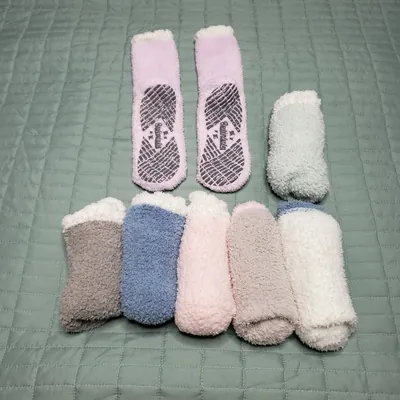
The multipack below is listed with rubber treads and a stretchy cuff, and buyers mention several useful details: they did not bind swollen ankles, the tread covered the whole sole rather than a few dots, and one bought a pair for each nurse after a spouse's long hospital stay. Others said the socks run thin, that the tread can feel firm on sensitive feet, and that they should be air dried. The listing describes one size, fitting up to a women's 9.
What can you give someone who is losing her hair?
Hair loss can be one of the most visible parts of treatment, and how she feels about it is personal. Some women choose wigs, some go bare, and many switch between options depending on the day. A soft head covering is useful in nearly every case, since a covered scalp is warmer and better protected from the sun.
Breastcancer.org's guide to scarves, hats, and turbans recommends soft, lightweight, breathable fabrics such as cotton, rayon, and bamboo, notes that silk and polyester can be slippery, and suggests a close fit with a soft lining because the scalp can be sensitive. It also advises choosing pieces she would like to wear anyway, and checking the return policy because she may need to try several styles.
What about a built-in cap with an attached scarf?
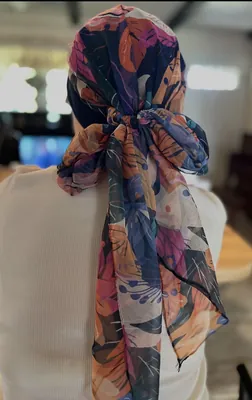
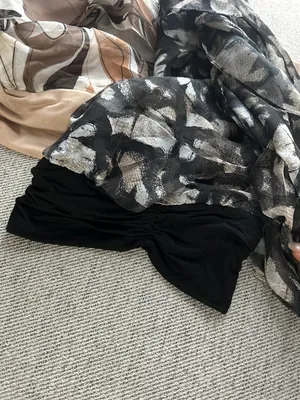
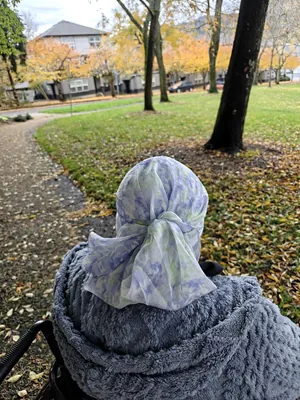
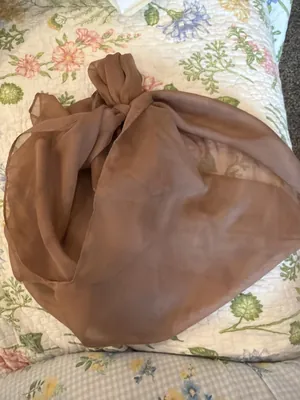
The wrap below pairs a bamboo viscose cap with a chiffon scarf attached, a construction that helps a scarf stay put. Many buyers describe it as soft and comfortable, and several say it stayed secure through sleep or a busy day. The overall rating is lower than the other items here, and the complaints are specific: the scarf ties can come undone, the cap runs small on some heads, and it can feel warm in summer. A gift note about exchanging it helps if the fit is not right.
Is there anything that makes car rides more comfortable after a port or surgery?
Many people receive chemotherapy through a port, a small device placed under the skin of the chest. Others recover from mastectomy or other surgery. A common complaint in both situations is that the shoulder strap of a seat belt presses on a tender area during every drive to an appointment.
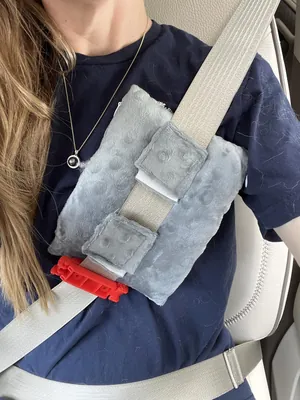
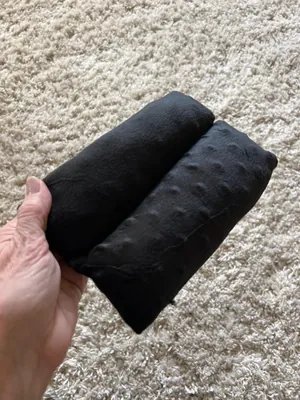
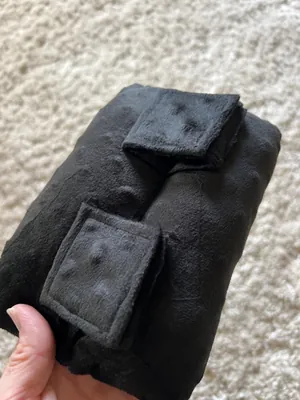
A small padded cover that clips onto the belt is a practical response. The listing for the one below describes it as a cushion for chemo ports, mastectomy, and open heart surgery recovery. Buyers who used it for a port, a pacemaker, or a mastectomy said it eased the belt pressure, and one family that makes twice-monthly four-hour round trips for infusions called it a lifesaver; the zipper let them remove some stuffing. Reported drawbacks include a hook-and-loop closure that stopped sticking on one of three cushions and stuffing that is hard to wash. Because the right placement depends on her body and her care plan, ask whether her care team has advice about seat belt position before you buy.
What can she do on a slow day without much energy?
Hours in a waiting room or a recliner are easier with something that needs little concentration. Memorial Sloan Kettering's guide suggests bringing a tablet, something to read, games, a charger, and headphones, plus a notebook for questions. When energy is low, small, low-pressure activities fit better than projects.
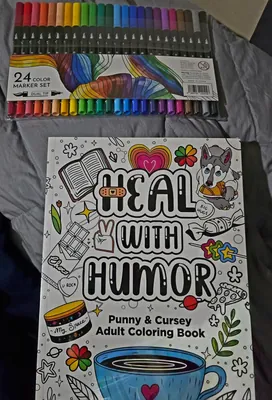
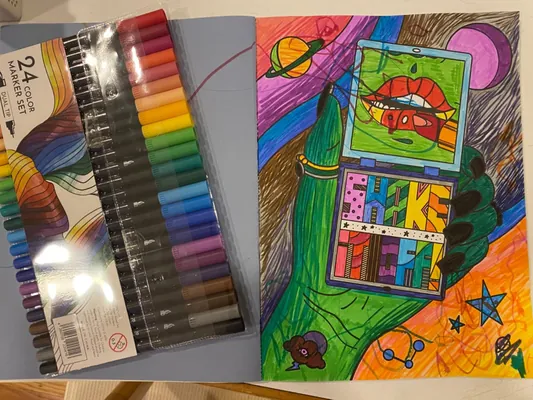
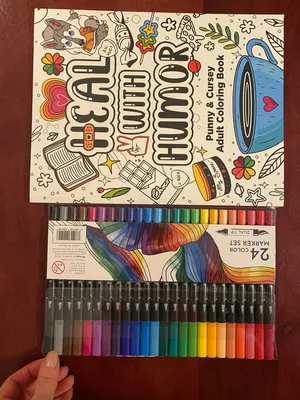
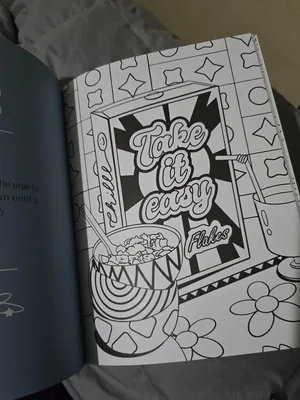
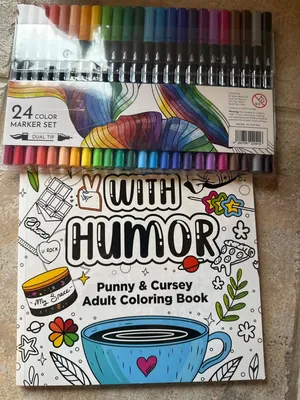
Coloring is one option. The book below comes with 24 dual-tip markers and is described as having 33 designs, some uplifting and some sassy or sweary, on perforated pages that tear out one at a time. The listing says the markers can show through a single sheet, so a spare page behind it helps. Buyers describe giving it to a friend in treatment or a mother recovering from knee surgery, and a couple found the art simple or the markers brush-like. Because some pages use strong language, it suits a woman whose humor runs that way.
What about a candle with a funny message?
Humor can land well when someone is tired of being treated as fragile. The candle below is a 9-ounce lavender candle with a lid, and its label carries a blunt, profane joke about toughness. Buyers who gave it to a mother before surgery or a friend in treatment said it earned a laugh, and several liked the scent. It is still a scented gift, so if you have any doubt about her sensitivity to smells, a scent-free item may be the better choice.
What if you cannot visit and want to send a ready-made box?
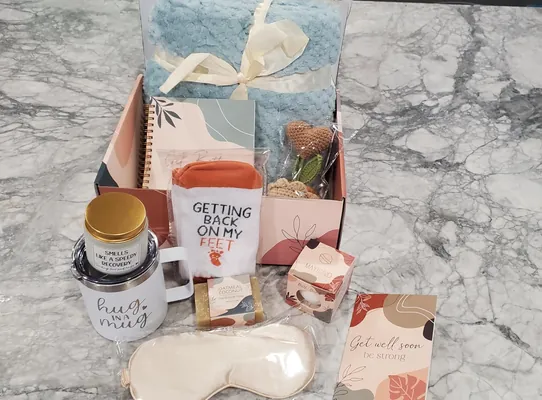
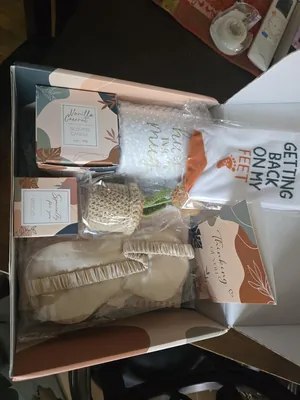
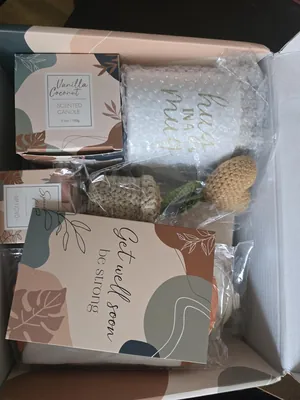
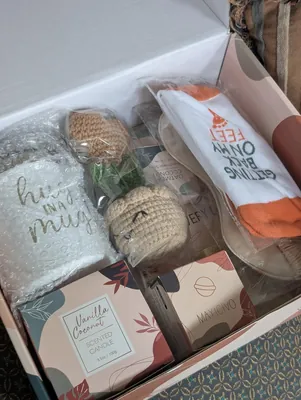
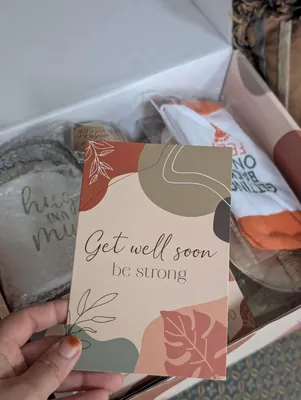
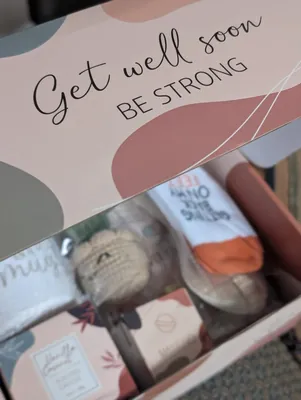
A boxed assortment can be a good fit when you live far away: it arrives wrapped, nothing needs assembling, and she can go through it at her own pace. The risk is that a box can include items she cannot use, such as a scented candle or bath bomb during a sensitive week. Read the contents list, and consider removing anything that does not suit her before you send it along.
The eleven-piece box below is listed with a throw blanket, an insulated tumbler with a handle, a scented candle, a notebook, a crocheted heart plant, soap, a bath bomb, socks, and a silk eye mask. Buyers describe giving it to a sister, a mother-in-law, and a friend about to start chemo. It comes in several colors, so check the one you choose.
The eight-piece box with a pink ribbon theme suits women with breast cancer who like that symbol. The listing includes a 50 by 60 inch fleece blanket, pink ribbon socks, a makeup bag, a scented candle, a stone bracelet, a card, and a gift bag. It is a more specific choice than the other box, so confirm that she would enjoy a pink ribbon gift. Buyer feedback on it is brief, mostly saying the friend loved it and that the contents were nice quality for the price.
What should the note say?
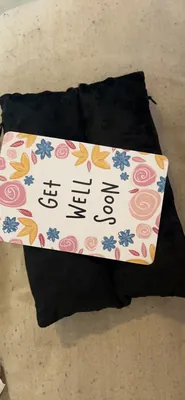
A card often matters as much as the gift. Keep it short and let her know she does not owe a reply. A few lines are enough.
- “I'm thinking of you, and there's no need to write back.”
- “I'm dropping off dinner Thursday. I'll leave it on the porch.”
- “I can drive on the 14th if you'd like company.”
Skip advice about diets, miracle cures, or stories about other people's outcomes. Even well-meant ones can leave her feeling that she has to manage your feelings on top of her own.
How can you keep helping after the gift arrives?
Treatment tends to go on long after the first burst of attention. A text on a random Tuesday, a standing offer to pick up groceries, or a gift timed for the middle of treatment rather than the beginning can show that you are still there. Pay attention to what she mentions needing, such as warmer socks, an easier way to get to appointments, or something to look at during a long infusion, and let that guide your next small gesture.
Whatever you choose, favor things that are soft, simple, and easy to use. The aim is not to fix anything, only to make a hard stretch a little easier and to remind her she is not going through it alone.