In this article
Support a teen volleyball player by asking what would make the week easier, keeping practice-day logistics dependable, and offering encouragement without tying it to results. If you add a gift, choose something that fits their off-court style rather than guessing at training equipment.
Supporting a teen volleyball player often happens well away from the net: a dependable ride, a bag packed the night before, or a quiet meal after a long tournament. Start by asking what would make the week easier. A player who wants help remembering the schedule needs something different from one who simply wants you in the stands.
Keep encouragement separate from performance. Making a team, learning a new role, staying involved through a difficult season, or being a good teammate can all deserve recognition. A small gift can mark that moment, but it should not come with a new expectation to start, score, or earn more playing time.
How can you support a teen volleyball player?
Ask a concrete question: “Would a ride, help packing, or some quiet time be most useful this week?” Offer something you can reliably do. Confirm pickup details and who is responsible for schedule changes rather than assuming that another family has them covered. Let the teen take an age-appropriate share of planning without turning every missed item into a lecture.
After a match, give the player a choice about talking. “Want to tell me about it, or would you rather put on music?” leaves room for a disappointing result without demanding an immediate explanation. If they want advice, ask what the coach is already working on before adding your own instructions. You can notice a specific effort without diagnosing a technical problem from the stands.
Make encouragement something they can keep
A note can name something beyond the score: welcoming a new teammate, sticking with a difficult practice, or asking for help. Keep it honest and brief. Avoid promising that hard work will guarantee a spot or a win, and do not turn the gift into a reminder that someone paid for lessons or travel.
A tiny shelf decoration can accompany that note if the player enjoys playful keepsakes. The pink-and-white crocheted volleyball below holds an encouragement card. Most supplied feedback concerns baseball and softball versions, so it does not establish the size, balance, or stitching quality of this volleyball version. Treat the current listing as the source for its design, and check the actual measurements before expecting a substantial plush toy.
Build a routine around the bag they already use
Choose one place for the sports bag and a short packing routine that fits the actual team schedule. Use the coach’s equipment list rather than buying a pile of accessories first. Before leaving, check the items the player really needs, such as the correct shoes, uniform pieces, bottle, and any required paperwork. Put a separate reminder beside the door for something that cannot stay in the bag overnight.
Small loose items are easier to find in a pouch. Give jewelry its own place before practice so a necklace does not end up tangled with hair ties. Check the team and event rules for anything worn during play; the jewelry in this guide is a keepsake for time off the court.
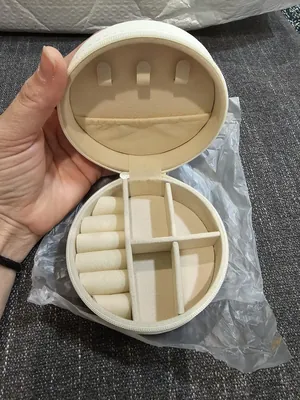
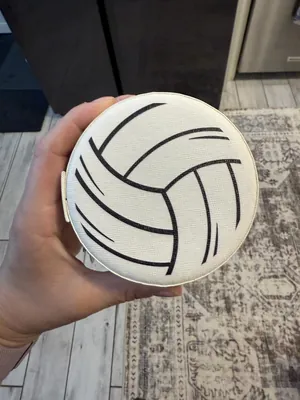
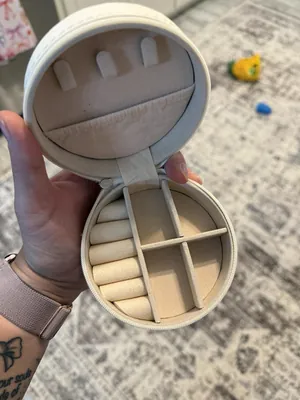
For a whole team, the round cases below are listed as a pack of 12, each about 4 by 4 by 2 inches. The artificial-leather exterior opens to a soft-lined interior with necklace hooks, ring spaces, and removable dividers. Customers liked giving them to teams, but there are reports of difficult zippers and soiled or moldy cases. Open and inspect every case before adding a note or distributing the pack.
Use consumables only when you know the preference
An everyday item the player already uses may be more welcome than another decoration. Ask about scent and ingredients before including personal-care products. Keep the original label and seals, and do not present a cosmetic item as sports equipment or as treatment for a problem.
The bulk lip-balm pack below lists 24 individually sized tubes in lemon and mint varieties. Feedback includes broken twist mechanisms and damaged tubes. Check the current ingredients, each seal, and whether each tube works before splitting the pack into gifts. The listing does not make this a substitute for a product with a verified sun-protection label.
Leave room for interests beyond volleyball
A teen may love the sport without wanting every evening to become another practice. Ask before buying a training aid or making space for drills. If the player wants a ball for extra work, get the coach’s recommendation for the intended exercise and location. A novelty indoor ball should not be assumed to match the ball used in games.
The colorful indoor ball below is listed as a soft recreational ball, with a pump not included. Some customers described a quieter bounce, while others found it harder or louder than expected, noticed an odor, or reported seams and valve problems. It is an option to consider for a suitable clear indoor space, not a promise of silent play, protected belongings, or regulation practice. Follow its inflation instructions and stop using a damaged ball.
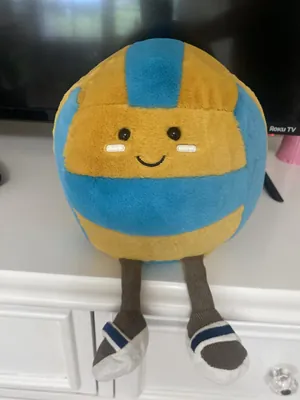
If the goal is decorating a room, choose something clearly decorative. The blue-and-yellow plush volleyball below is listed with an approximately 8-inch ball body and longer dangling legs. Customer feedback covers several sports-ball versions, so their colors and proportions differ. The volleyball version can sit among other room decorations; it is not a practice ball or a tool for improving skills.
Keep a gift set useful at home
A themed set makes sense when several of its contents suit the recipient. The set below lists a canvas tote, small pouch, 16-ounce glass with lid and straw, bracelet, stickers, and two hair bands. Some supplied photos and feedback show gymnastics versions, and there are reports of broken glass. Check the volleyball design, glass, and all included pieces before giving it.
The glass belongs in a suitable home setting rather than being assumed appropriate for a gym or sideline. A straw lid is not a reason to pack it loose in a sports bag. Ask whether the player likes the printed wording and would use the tote instead of expecting a themed bundle to replace their equipment bag.
Choose an off-court keepsake in their style
Before buying jewelry, notice what the recipient actually wears: metal color, chain length, and whether they like a tiny charm or a visible pendant. Include a gift receipt when available. An adjustable chain offers some flexibility, but it does not make one size comfortable on every neck.
The white volleyball pendant below is listed as mother-of-pearl with yellow-gold plating over brass, a lobster clasp, and an adjustable chain up to about 19 inches. The listed pendant is approximately half an inch across. Customers often liked its delicate appearance, while one reported tarnishing after several months. Follow the stated care guidance, including removing it for exercise and water, rather than assuming it can stay on throughout a sports day.
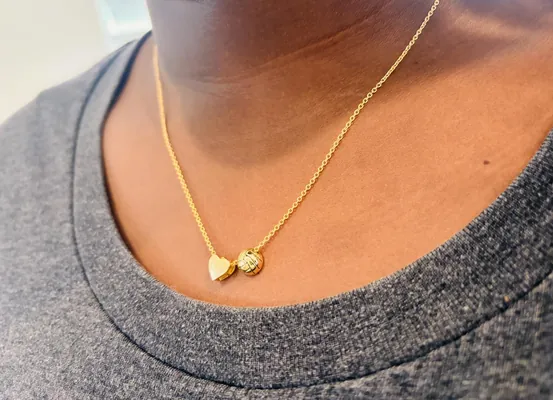
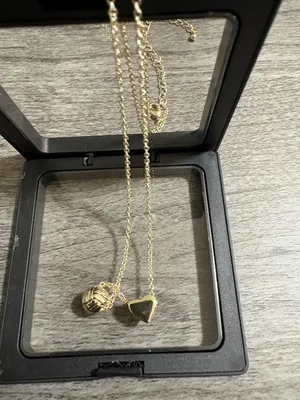
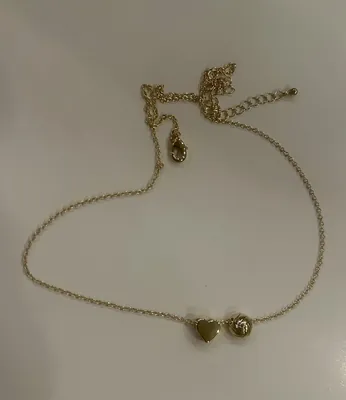
A separate two-charm necklace below pairs a volleyball with a heart. The listing describes gold-plated brass and a 16-inch chain with a 3-inch extender. Volleyball-specific feedback liked the small scale and adjustable length; the broader feedback also includes other sports, a broken chain, and packaging or tangling complaints. Inspect the clasp and untangle the chain before presenting it. Neither a few weeks of wear nor a water-related anecdote establishes long-term durability.
Make a team gesture inclusive and easy to organize
A team gift should not create a new collection problem or single someone out over money. If families contribute, make it optional, keep amounts private, and ask the organizer or coach about the right way to distribute gifts. Count players and other intended recipients from the current roster, then check the delivered contents before writing names on packages.
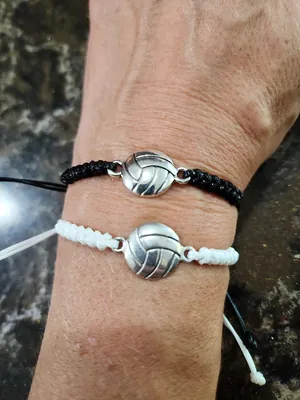
For a simple matching token, the cord-bracelet pack below is listed with 20 adjustable volleyball-charm bracelets. Feedback includes a bracelet that broke quickly, tight adjustment knots, and incorrect or short contents. Check each bracelet and avoid forcing a stuck knot with a pointed tool. These are small off-court keepsakes, not equipment to wear during play.
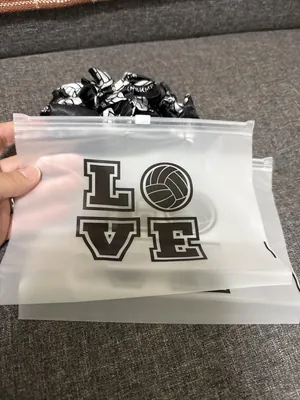
The pouch set below lists 12 pouches, 12 scrunchies, and 12 bracelets. Its “36 pieces” means 12 three-piece gifts, not 36 complete gifts. The pouches are listed at about 8 by 6 inches. Customers liked using the set for teams, but some received missing bracelets, closure problems, creases, or printing issues. Lay out all 12 groups before assembly and allow time to resolve missing pieces.
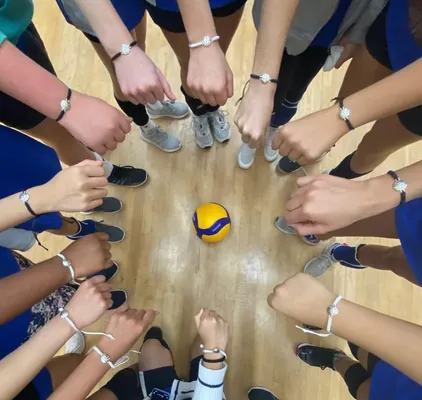
Add each player’s name and a short specific message rather than the same prediction about next season. Give the gifts when the group has time to receive them without delaying practice, packing, or pickup. The gesture should fit around the team’s day.
If you are unsure what to buy, return to the practical offer: show up when invited, handle the ride you promised, and ask what would help this week. A useful kind of support stays available after the tournament ends and does not depend on what the scoreboard says.