
In this article
A pleasant tea break starts with a cup you enjoy and a pause you can actually take. Keep the setup simple enough to use on an ordinary day.
A tea break can disappear before it starts: you put the kettle on, answer a message, sort the mail, and return to a cup you forgot about. The problem is not usually a missing tea service. It is finding a small pause that fits the day and making it easy enough to repeat.
Begin with one cup, a tea you are curious about, and a place to sit. You can build a pleasant routine without committing to a large collection, buying specialized equipment, or turning every cup into a tasting project. If you are choosing a gift, the same idea helps: give someone an easy invitation to pause, not another task.
How do you make a tea break part of an ordinary day?
Attach it to a moment that already happens: after lunch, when you finish a household task, or before you sit down with a book. Choose a time when you can actually leave the next task alone for a few minutes. Put the cup, tea, and a small dish for the used bag within reach so the break does not begin with a search through three cabinets.
Keep the first version simple. Make one cup, sit down while it is ready to drink, and leave your phone somewhere else if that helps you stay with the break. You do not need to finish a chapter, journal a page, or improve yourself while drinking it. A pleasant pause can be enough on its own.
Pick the drink for the person and the time of day. Check the caffeine information on the actual packet rather than assuming all green or herbal blends behave alike. The FDA notes that caffeine amounts vary and that decaffeinated does not necessarily mean caffeine-free. If you have been given a caffeine limit, work from that guidance rather than a sampler’s mood-oriented name.
Try a small range without filling the cabinet
Think in terms of the flavors you already enjoy: plain and brisk, floral, fruity, minty, or spiced. A sampler is useful when it lets you discover preferences before buying a larger box. Keep a short note on the packet or in your phone—“liked plain,” “too floral,” or “try less water”—so you remember the cup rather than just the packaging.
The 24-sachet collection below is listed with 24 varieties spanning black, green, white, oolong, and herbal or fruit blends, plus a menu in the lid. Customers liked exploring the selection and displaying it for guests. One found several blends too faint or disliked particular flavors. Your own preferences matter more than the breadth of the assortment. A wide assortment is most useful if you genuinely want to try unfamiliar cups.
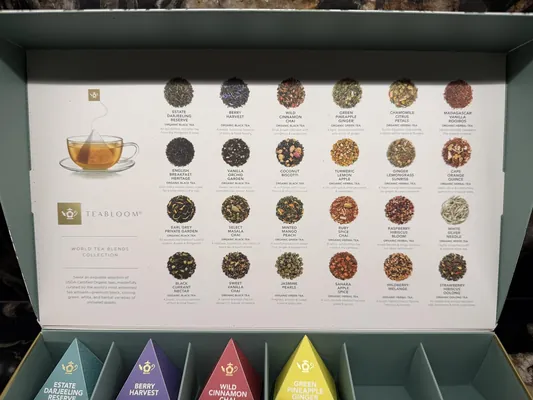
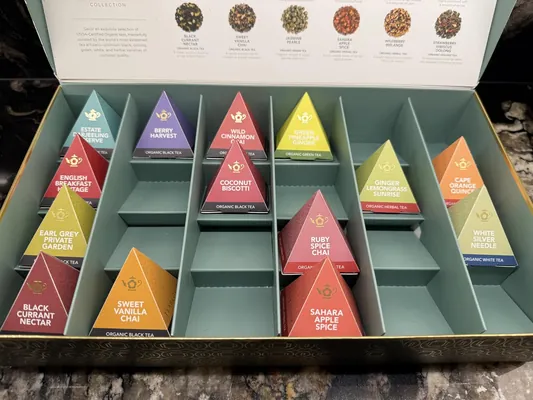
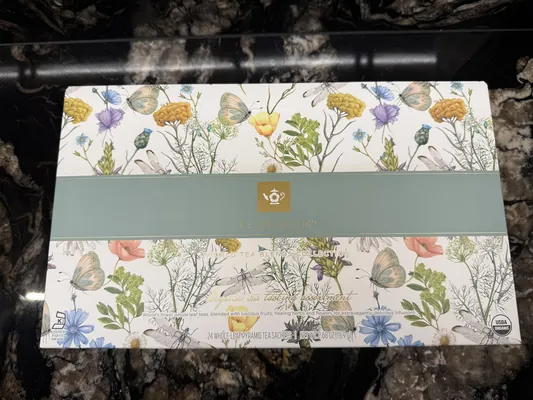
If you would rather try each blend more than once, the 20-infuser set below lists ten varieties with two of each, including black, green, white, and herbal choices. Customers liked the presentation and flavor range, though one received a damaged outer box. The little leaf-shaped handle is part of the presentation, not a reason to leave every tea steeping indefinitely. Use the packet’s brewing directions and set the infuser aside when the tea is ready.
The Korean tea assortment below is listed with 40 individually sealed bags, four each of ten flavors. Customers often praised the aroma and variety, but some disliked added sweetness or artificial flavoring in particular blends. Others reported missing bags or changed packaging. Read the ingredient list for each flavor instead of assuming all forty bags are plain, unsweetened, or identical to an older presentation. A sampler can include a mix of ingredients that matters more than the color of its box.
Use the packet as your starting point
Use a clean cup and the water amount, temperature, and steeping time specified for the particular tea. Set a timer rather than trying to remember when you poured. Different packets in the same box can have different instructions. An extra-large mug filled to the top can make a single bag taste weaker than expected, so check the intended serving size before deciding the tea has no flavor.
Taste it before adding milk or sweetener. If it is too strong, try a little more water; if it is too light, adjust the next cup within the packet’s directions. Change one thing at a time so you can tell what made a difference. Keep hot water and cups on a stable surface where they will not be knocked over.
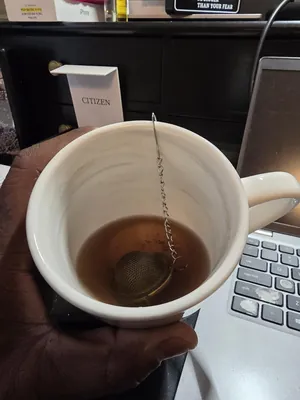
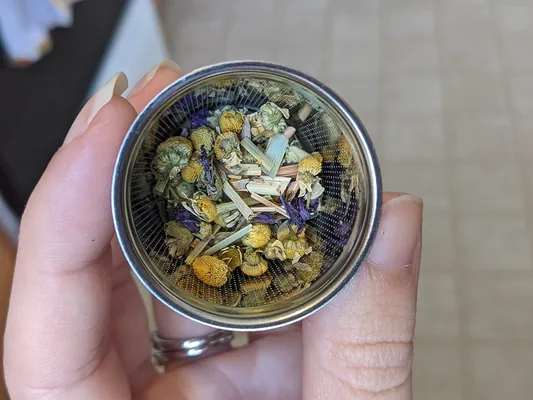
Loose-leaf tea adds a measuring and straining step. Use an infuser or strainer appropriate to the blend, with space for the contents, and make cleanup part of the plan. A few escaped fine pieces may be annoying even if larger fruit pieces look attractive in a pouch. Choose the format you will actually use on a busy day.
The eight-pouch loose-leaf sampler below lists an assortment of fruit, herbal, and tea blends, with contents that may change. Customers liked exploring the aromas, but taste reactions varied sharply, some found the samples small, and others received duplicates or a missing pouch. The advertised cup yield depends on the blend, portion, mug size, and strength you choose; it is not a guaranteed eighty full mugs. Feedback includes other assortments, so their ingredients and caffeine claims do not establish what is in the current eight pouches.
Make the next cup easy to find
Keep a small selection near the cups and store the rest according to the package directions. Leave the individual labels with the tea so ingredients, caffeine information, dates, and brewing instructions do not get separated. Refill a small organizer as needed instead of buying a bigger assortment simply to fill every compartment.
The six-slot bamboo presentation box below lists 48 individually wrapped sachets, eight of each of six varieties. Customers liked using and sharing the box, while one reported damage to it. The listing explicitly says the tea assortment can change with availability and season, so the product image is not a promise of the exact flavors. Measure the place where the open box would sit before making it part of a counter setup.
For a shared kitchen, the bamboo organizer below is listed with 80 bags and 20 flavors. Relevant customers liked the selection, but supplied feedback also covers different box finishes and constructions, including lightweight wood versions. Check the current bamboo option and contents rather than assuming every box in the feedback is the same. An attractive caddy is useful only if it fits the space and the teas are ones people will drink.
Choose a hands-on ritual only if you want one
Some people enjoy the preparation as much as the drink. Others want one bag and a quick rinse. Neither approach makes a better break. Try the more involved version when you have time, and keep a simpler option available for ordinary weekdays.
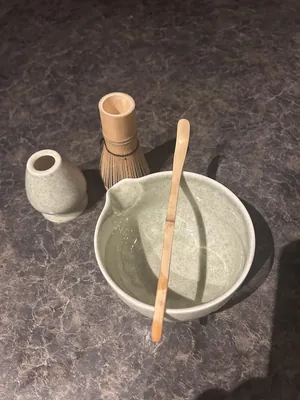
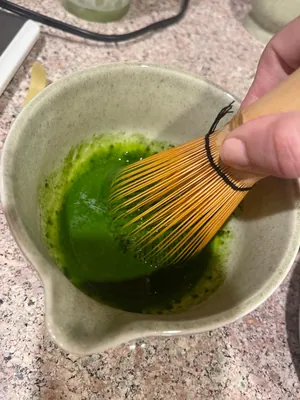
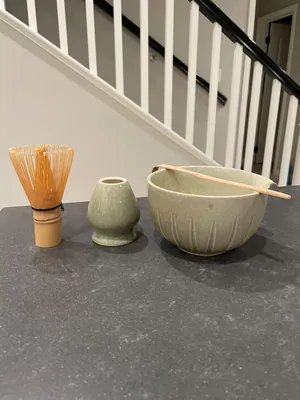
For someone who specifically wants to make matcha, the set below lists a 15-ounce porcelain bowl, bamboo whisk and scoop, ceramic whisk holder, and sifter. Supplied accounts include versions without the sifter, lighter glazes than the photos, fragile or shedding whisks, and several reports of mold on or inside the whisk. There are also accounts of cracked bowls. Confirm the current contents, inspect each piece, and follow its care and drying instructions. Do not use a moldy or shedding whisk or a damaged bowl, and do not assume the bowl’s dishwasher language applies to bamboo accessories. This is a tool set; confirm separately whether any tea is included.
Keep the break about taste, not health promises
A blend name can sound reassuring without telling you whether its ingredients suit you. Read every label, particularly when a set mixes ordinary teas with herbal blends marketed for sleep, energy, or other effects. The National Center for Complementary and Integrative Health explains that herbs can interact with medicines. If medication use, pregnancy, breastfeeding, or another restriction makes an ingredient uncertain, ask a qualified clinician or pharmacist about the actual label. Do not use a customer’s experience as a personal recommendation.
The 45-bag assortment below lists nine blends with five bags of each, including both caffeinated and caffeine-free choices. Customers liked the presentation and range, while one reported receiving only 42 bags and others disliked particular flavors. Several supplied accounts repeat health or weight-related claims; those anecdotes do not establish benefits. Check every blend’s ingredients and cautions rather than treating the whole box as an interchangeable evening drink.