In this article
Sort out the plan, layers, and small essentials before bedtime so an early outdoor start feels more manageable.
The easiest way to make an early outdoor start less stressful is to do the ordinary work before bedtime: decide where the small essentials belong, check what needs charging, and leave the right layers together. Hunting adds its own training, equipment, and local requirements, but a calm packing routine still begins with the same question: what will I need to find quickly when it is cold, dark, or time to come home?
If you are helping a hunter or choosing a gift, begin with the part of the day that causes frustration. Missing gloves, an awkwardly packed bag, and unreliable lights are different problems. Ask which one actually needs attention instead of assuming another camouflage accessory will help.
What should you sort out before packing?
Write down the destination, expected conditions, timing, and who is going. Leave the trip details and a check-in time with someone who is staying home. Look up current access information rather than relying on what was allowed last season. The National Park Service trip-planning guide is a useful model for checking conditions, matching a trip to your abilities, and sharing a plan; hunting permissions must come from the relevant land manager and wildlife agency.
Before treating a trip as confirmed, check the applicable season, license, permit, education, clothing, equipment, and transport requirements with the responsible agencies. The U.S. Fish & Wildlife Service’s state directory links to state licensing resources and notes that states set their own requirements. A gift listing does not establish whether a particular activity or device is permitted at the destination.
Keep a short personal packing list that you revise after each outing. Start with the essentials you already trust, then add the gear specific to the day. The National Park Service’s Ten Essentials covers categories including navigation, extra clothing, light, food, water, first aid, and shelter. That framework supports an outdoor plan; it does not replace hunting education or activity-specific preparation.
Try the layers together before the morning rush
Lay out the clothing you intend to wear and the extra layers you will carry. Try gloves with the ordinary tasks you need to do, such as opening your pack or using your phone. Check that sleeves do not cover your hands and that a hat fits under the rest of your clothing. A matching pattern tells you little about fit, warmth, or weather performance.
The pullover below is listed with a hood, kangaroo pocket, and camouflage accents, with extended sizes available in selected colors. Customers often liked its warmth and relaxed fit, but descriptions of thickness and sizing vary; other accounts mention loose cuffs, stitching concerns, and orange fabric affected by color bleeding. Use the actual size chart and care label. Its orange color alone does not establish compliance with any visibility-clothing requirement, and it is not described here as a rain shell.
A small accessories pouch can keep a hat, gloves, and neck covering from disappearing into different drawers. The three-piece camouflage set below lists those items, with touch-screen features on the gloves. Relevant customers liked the gloves and neck covering, while others found the hat snug or unhelpful and the finger-tab fasteners scratchy or noisy. One received incomplete contents. Check the fit and current glove design rather than assuming a temperature rating or guaranteed phone compatibility.
Find out what works while you are still at home
Charge devices according to their instructions, confirm that the supplied cables fit, and turn each item on before packing it. Try the controls in the clothing you will wear. A battery icon is not a runtime test. Arrange independent backup lighting appropriate to the trip instead of making several tasks depend on one unproven device.
Hands-free light can make ordinary camp and packing tasks easier. The two-pack below lists flexible strip headlamps with a spotlight and motion controls. Many customers liked the wide light and low weight, but others reported short runtime, dimming, false sensor triggers, failed charging, and deteriorating bands. More seriously, one described the battery and plastic smoldering during use, and another reported a battery failing while charging. Those reports are a reason to choose a different headlamp unless the concern is credibly resolved. The linked card identifies the supplied set; it is not a recommendation to rely on it for the trip or to repair its electronics.
A specialized light should solve a known need, not replace the basic light already in the bag. The compact flashlight below is marketed to make blood easier to notice during lawful game recovery. Supplied customer accounts disagree: some found the contrast helpful, while others found no improvement. The listing gives about two hours of continuous use and four hours of charging, which we have not independently verified. Do not assume it makes a trail obvious or guarantees recovery, and keep route-finding and ordinary lighting separate from this specialized function.
Choose a viewing tool for the way it will actually be used
Before adding electronics, ask whether ordinary observation is the goal and whether the recipient has a device they prefer. Try focus, eye fit, controls, and carrying comfort at home. Product-photo sharpness and a large number in a title are not a substitute for checking the actual unit.
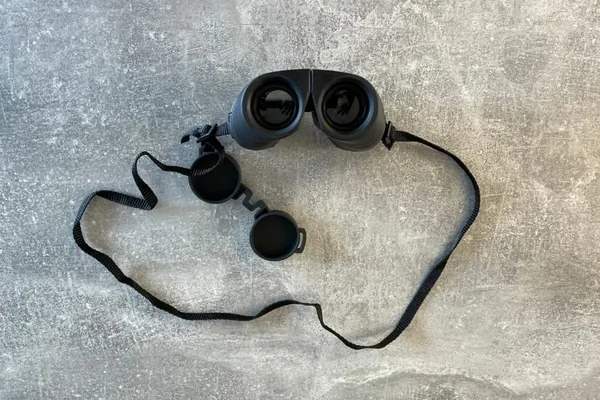
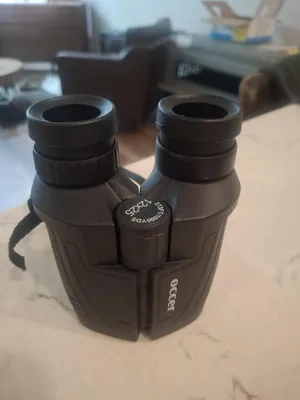
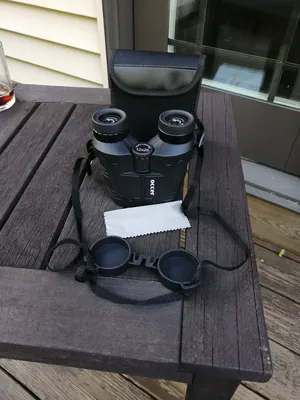
The compact binoculars below are listed as 12×25 with adjustable eyecups. Customers often liked their portability and clear central view, especially for travel and casual wildlife watching. Several disputed the advertised magnification or described edge distortion and drifting focus. We have not measured their magnification. The listing also says they are not for complete darkness; do not treat the low-light wording as powered night vision or assume the vague water-resistance language means they can be submerged.
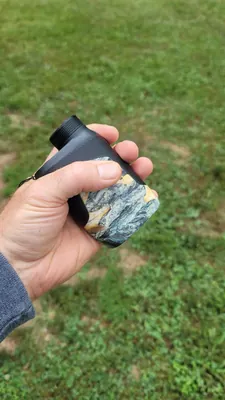
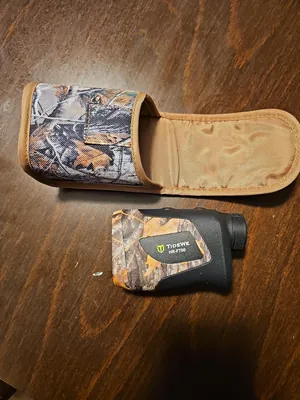
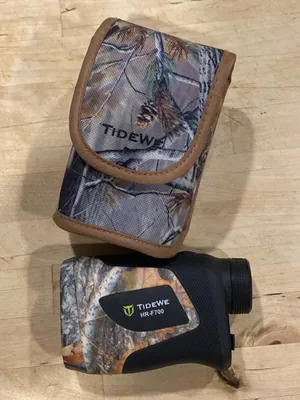
A rangefinder is a more specific request. The rechargeable camouflage model below lists 6× viewing and distance functions over a stated 3-to-700-yard range. Customers liked its small size and case, but reports include unreadable or malfunctioning displays, inaccurate readings, moisture problems, and a failed case clasp. Treat its speed, accuracy, and battery figures as listing claims. Check any device against known references as directed by its manual, and resolve inconsistent readings before considering field use; it cannot make decisions for the user.
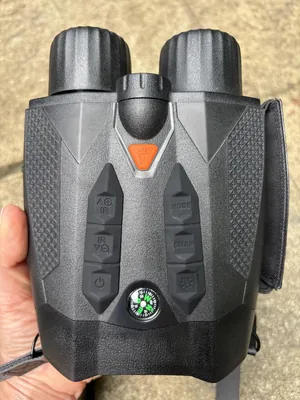
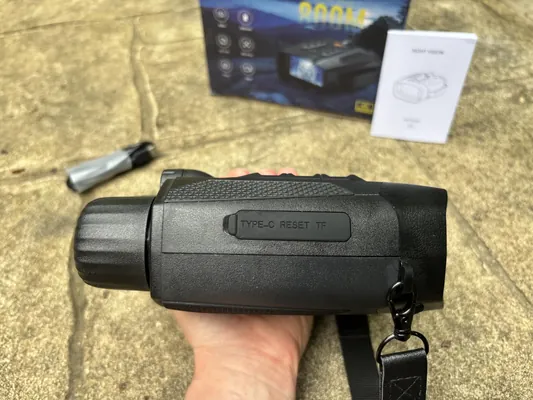
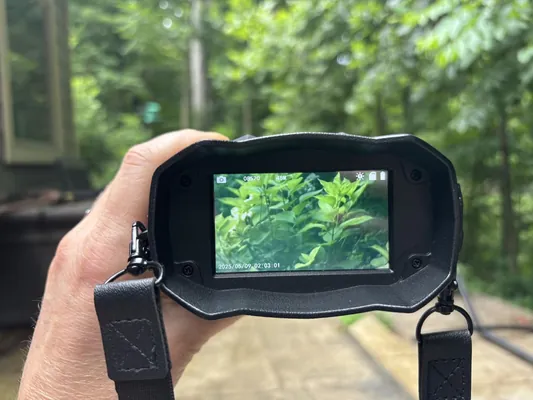
For recreational viewing from a stationary spot, the digital infrared viewer below is listed with a three-inch screen, photo and video recording, a compass, rechargeable battery, and 10× zoom. Customers liked the images and included memory card, but several reported internal buttons failing and another reported incomplete charging. Confirm the current contents and learn the controls before an outing. These accounts do not establish professional performance, a dependable navigation instrument, or a safe way to walk or drive while watching its screen. Check local restrictions before using viewing or illumination technology in connection with hunting.
Make room for inspection and cleanup afterward
Give clean everyday items, used clothing, and specialized tools their own places. A simple return routine helps you notice missing pieces or damage before the next outing. Put a note on anything that needs attention rather than placing it back in the ready-to-go bag.
The cased game-processing kit below lists several knives and tools, including a saw, shears, cutting board, gloves, and sharpener. Customers liked having designated spaces in one case. Two reports, however, describe the hatchet chipping or bending during first use, and another found the cleaver disappointing. Do not interpret the number of pieces as proof that each tool suits an impact task. This is a specialized kit to discuss with an experienced recipient; inspect it, follow the maker’s directions, and do not use damaged blades or assume the supplied cleaning gloves provide cut protection.
Vehicle organization needs particular care. The two fabric seat-back sling panels below are marketed for long equipment, but many supplied accounts report straps or stitching failing, sometimes during installation or first use. Choose a different solution unless those construction concerns are resolved. These open fabric panels are not a locking storage case, and the listing does not establish secure restraint, crash protection, or legal firearm transport. Do not copy customer tape or restitching fixes as a way to carry firearms.
Help with the part he actually wants help with
A useful gift can be a replacement he has named, help organizing the departure, or an evening together after the trip. Avoid buying technical gear simply because it looks relevant. Ask for the exact size, model, or feature he needs, and leave time for inspection and exchange before the outing.
If his gear is already settled, a hunting-themed property-trading board game can recognize the interest without changing his field setup. The game below is listed for two to six players with traditional and shorter play options. Customers liked playing with family; one wished the cabin and lodge pieces looked more distinctive. Use the actual box’s age guidance and rules. It is an indoor social gift, not hunting instruction.
After the next outing, ask what was useful, what stayed untouched, and what was awkward to reach. Update the packing routine around those answers. The most helpful addition is the one that solves a real annoyance while fitting the person’s existing habits and responsibilities.