
In this article
Share the ordinary parts of life with a rhythm you can both keep, then choose a gift that fits naturally into it.
When you live far apart, a conversation can turn into a report: work was busy, dinner was fine, nothing much happened. You miss the small things that once gave you something to talk about—the view from a window, a ridiculous errand, sharing a quiet evening. Feeling included in those ordinary moments can matter as much as planning the next big visit.
Start with a rhythm both people can comfortably keep. A short voice message, a photo with a little context, or a low-pressure date can give the week a shared shape. A gift can support that rhythm, but it works best when it fits the way you already want to spend time together.
How do you stay connected without being on call?
Pick an anchor that fits both schedules: a weekday check-in, a weekend breakfast call, or a message to read after waking up. Name the time zone when you make plans, especially around daylight saving changes. Agree on what happens when work runs late or a call needs to move. A clear “Let’s try tomorrow” is easier to understand than waiting without a plan.
Separate messages that need an answer from little things sent just to share. “No need to reply—I thought you would like this” makes a photo feel different from a question hanging over the evening. Talk about notification preferences and private time rather than interpreting a delayed response as a verdict on the relationship.
Keep one place for practical plans, including visit dates and travel details. Leave room elsewhere for ordinary conversation. Neither person needs to turn every check-in into a serious discussion, and neither has to stay available throughout the other person’s day.
Give a small photo a little context
A shared album or a message thread you already use is a useful place to begin. Send the breakfast you tried, the rain outside, or a corner of a room you are rearranging. Add why you chose it: “This is the place I mentioned yesterday.” Ask before sharing private images, and agree who else may send to or see a connected display.
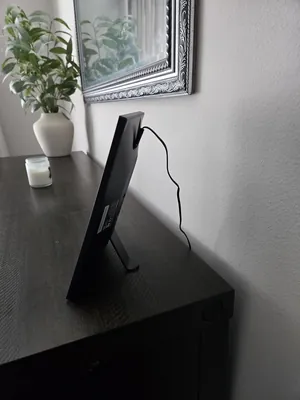
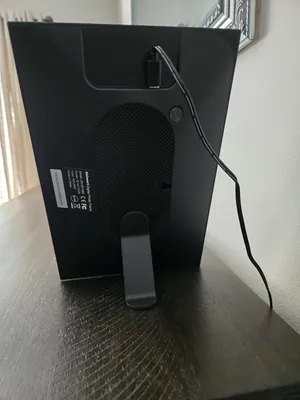
For someone who likes photos on a shelf rather than another phone notification, the ten-inch email-enabled frame below is listed with a 1280 × 800 touch screen. New photos require Wi-Fi; existing photos can display offline. Customers enjoyed receiving updates, although feedback includes different sizes and generations, with stand, cropping, screen, and sleep-setting complaints. Check the actual version and a stable spot near power before sending it as a surprise.
Some of the appealing extras cost more than the frame. The manufacturer’s subscription information places video, captions, albums, remote settings, and cloud backup in a paid plan. Decide which functions the recipient actually wants and who would pay for them. Do not build a video-sharing gift around an assumed free feature.
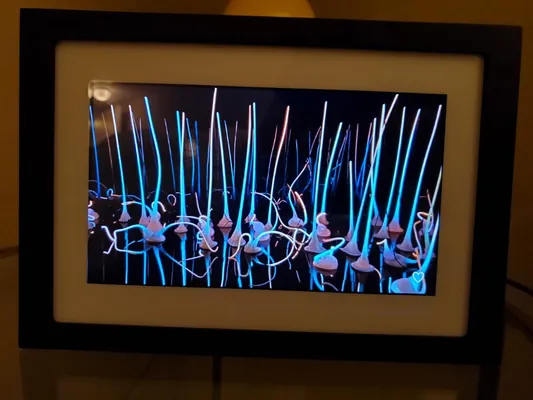

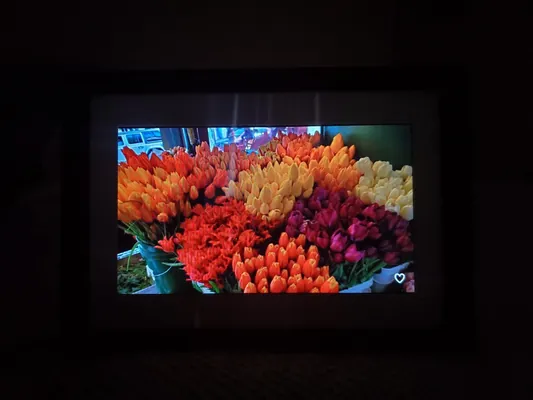
A desk can also be a place for a few new pictures during the week. The 10.1-inch app-connected frame below is listed with a 1280 × 800 screen, 32GB of built-in storage, and portrait or landscape placement. Customers appreciated remote sharing, while others described lag, Wi-Fi problems, cropping they disliked, touch-screen faults, or later failures. Keep original photos backed up separately; a display should not be their only home.
The app provider’s current plan details allow ten photos per send and 15-second videos on the free plan. Larger sends, longer videos, remote photo management, and cloud backup are paid features. Customer accounts about limits differ, so use the current plan and actual frame software when arranging the gift. Calendar features are not a reason to assume every version behaves identically.

Make a small signal optional, not a test
An agreed emoji or short voice note can say “thinking of you” without starting a full conversation. If you both like wearable technology, a touch bracelet can serve a similar role. Talk first about when notifications are welcome. No signal, missed signal, or flat battery should become something either person has to explain as proof of affection.
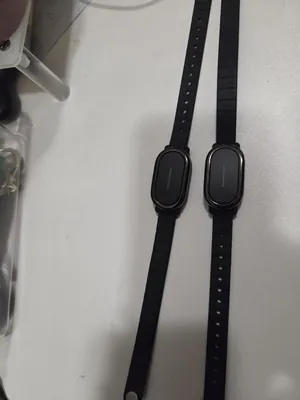
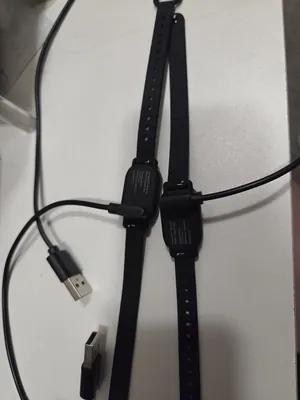
The plain black touch-bracelet pair below sends light and vibration through connected phones. The listing describes two bracelets and magnetic USB-C chargers, with up to four days of battery life under its stated use conditions. Customer accounts include missed touches, disconnections, peeling bands, and bands coming loose, as well as positive experiences. Treat runtime as a listing estimate and check the fit and connection while there is still time to address a problem.
The setup guide calls for the app to run in the background and the bracelet to stay within about ten feet of its phone. Each phone also needs internet access. The care guidance says to remove the bracelet before swimming, hot showers, baths, or saunas and to dry it before charging. Water resistance is not permission to wear it everywhere.
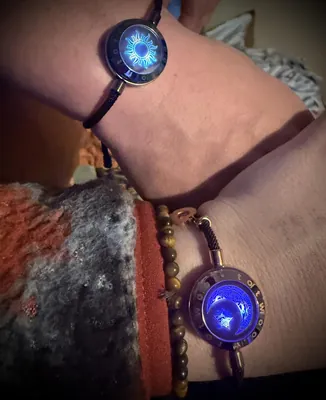
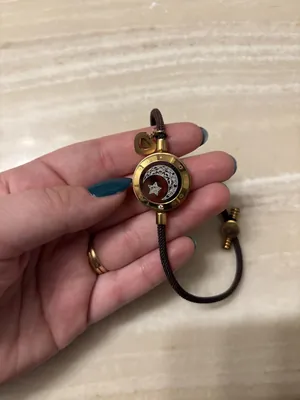
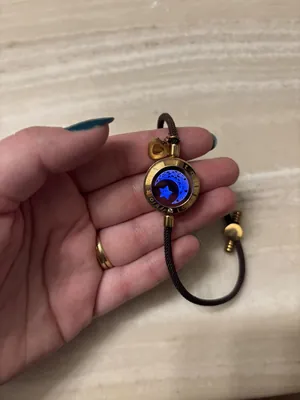
A sun-and-moon design may suit someone who prefers a more decorative accessory. The rope-band pair below is listed with customizable light and vibration functions through its app. The manufacturer explains that both wearers need the app active, Bluetooth to their own phone, and internet access, with each bracelet near its phone. These are connected accessories, not independent long-range transmitters.
Customers liked the small shared gesture, but feedback also describes difficult pairing, accidental or missed signals, short battery life, and rope bands fraying or breaking. Some photos show other band styles, so confirm the selected pair. Follow the listing’s advice to remove them before showering or swimming, and use an ordinary call or message for anything important or time-sensitive.
Give the conversation somewhere easy to start
Choose a manageable activity rather than trying to recreate an entire night out. Make the same simple meal, listen to a short playlist, or take turns describing a photo you have never shown each other. Confirm the time and any materials beforehand. Leaving a little quiet in a call is fine; it does not have to be filled with a performance.
If the usual “How was your day?” runs out of steam, try one specific prompt: what made you laugh, what are you looking forward to, or what would you like us to do on the next visit? Either person can pass. Save a difficult subject for a time when you both agree to discuss it, rather than hiding it inside a game.
The conversation-card set below is listed for ages 17 and up and includes mature content, with icebreaker, deeper-conversation, and activity categories. One person can read a prompt aloud on a call. Customers enjoyed the conversations, but many supplied accounts describe missing or duplicated categories and conflicting card counts; others found the questions too basic. Check the received deck before planning the evening, and do not expect a game to solve a disagreement or make someone disclose more than they want.
Make the personal part something only you could write
A short handwritten note can be more specific than a large gift. Mention an ordinary memory, something you noticed, and something you look forward to doing together. If writing feels difficult, begin with a concrete scene: where you were, what happened, and why it stayed with you. A page does not need to sound like a greeting card to be worth keeping.
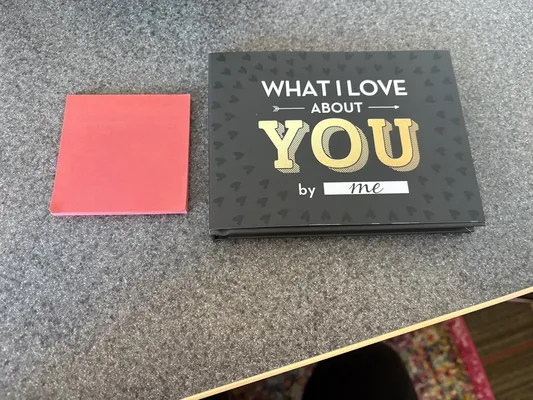
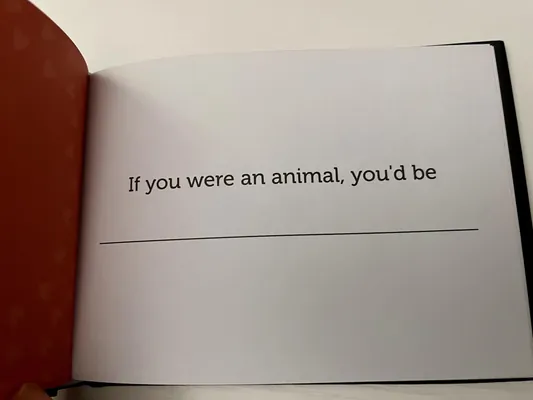
The compact fill-in book below provides 50 prompts in a listed 4.5 × 6-inch hardcover format. Customers liked personalizing it, although some found the writing space too limited, the prompts too leading, or the binding fragile. Inspect it before writing; one account describes receiving a copy already filled in. Use your own memories rather than relying on an inspiration link, and add a separate letter if the small spaces do not fit what you want to say.

If a small display object recalls a shared memory, explain that connection in the note. The gold-tone rose below is described by its listing as a resin-preserved real rose dipped in 24-karat gold, with a clear holder. Those material and purity claims have not been independently verified. Customers praised its presentation, but others found it plastic-like, the base unsteady, or the finish flawed. Choose it for the decorative gesture, not an assumed investment value or a promise that it will last forever.
Choose something they would use on an ordinary evening
Ask about color, texture, and how much space they have. A cozy gift works better when it fits their chair and their taste than when it arrives with a demand for a reaction. If you suggest a movie night, make the invitation flexible and choose something you can both access before setting the time.
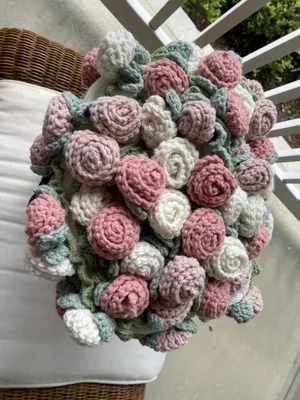
The flower-edged throw below folds into a bouquet shape. Customers liked the soft fabric and presentation, but sizes and flower designs vary widely in the supplied feedback. Check the selected dimensions rather than assuming it is a full-body blanket. Accounts also mention small-looking flowers, inconsistent gift packaging, and flowers coming loose after washing. Follow the actual care label and inspect the attachments; the bouquet presentation is not a durability guarantee.
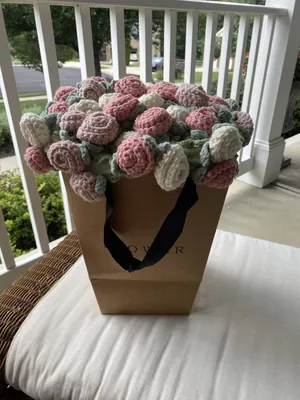
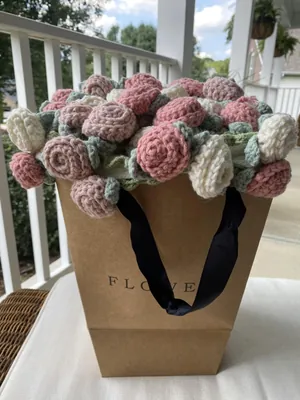
An inside joke may be more their style than flowers. The skeleton-couple throw below is listed at 50 × 60 inches in lightweight flannel. Customers liked its soft feel and illustrated design, while some wanted a larger or thicker blanket. Several also reported marks that looked like stains; inspect the received fabric rather than assuming a disappointing print is simply how it should look. Match the humor to their taste and the size to the way they would use it.
Plan one shared thing without filling every hour
If a visit is possible, choose one thing you are both looking forward to and leave room to rest. Discuss travel costs and time off before turning a wish into a promise. If dates are uncertain, keep a short shared list of ideas rather than treating an unbooked visit as a countdown with a deadline.
A hand-casting kit can be saved for time in the same place. The kit below lists molding powder, casting stone, a container, and detailing tools. Customers valued the detail, but also describe confusing instructions, timing problems, bubbles, broken fingers, and an account of mold growth after drying. Read the supplied directions and official tutorial together before starting, use the stated materials and timings, and do not copy improvised ratios or paint over mold. This is a project requiring setup and drying space, not a guaranteed quick or flawless keepsake.
After a busy week, ask what felt good and what felt like another obligation. Keep the small rituals you both enjoy and change the ones that no longer fit. The aim is a way of sharing life that leaves both people room to live it—not a growing collection of things to maintain.