In this article
When someone you care about loses a loved one, the hardest part is often not knowing what to do. The most helpful thing is usually small and low-pressure: a short, honest note, something that eases an ordinary day, and a quiet reminder of the person they miss. This guide covers what a grieving person tends to need, what to avoid saying, and gift ideas from comfort boxes to memorial lights.
What does someone who is grieving need first?
Usually not much, and not quickly. In the first days after a death, most people are juggling phone calls, paperwork, relatives arriving, and a body that has not caught up with the news. A gift that asks for nothing back is the kind that lands well: no reply required, no assembly, nothing that has to be eaten before Friday.
Grief also does not follow a script. Mayo Clinic's news team describes it as unpredictable rather than a tidy set of stages, which is a useful reminder when you are deciding what to send. The person you are thinking of may be numb this week and overwhelmed next month. Something that still makes sense in both moods will serve them better than something built for one perfect moment.
Should I send something right away, or wait?
Both are fine, and they do different jobs. A card or a short message in the first few days says "I heard, and I'm thinking of you." A physical gift often matters more a little later, after the funeral crowd has gone home and the house is quiet. If you are unsure, send the card now and plan the gift for a week or two out. Nobody keeps a tally of how fast you were.
What should I avoid saying with it?
Keep the note short and warm, and skip anything that explains the loss away. A few phrases tend to land badly:
- "At least they lived a long life" or any other "at least" sentence, which can sound like a request to feel better.
- "Let me know if you need anything," which hands the work back to them. A specific offer ("I'm dropping off dinner Thursday, no need to answer") is easier to accept.
- Anything that promises a timeline, such as "it gets easier after the first year."
- Religious or symbolic language you are not sure they share. A figure that celebrates a belief is lovely for someone who holds it and awkward for someone who does not.
What works instead is plain: "I'm so sorry about your dad. I'm thinking of you." If you have a memory of the person, add one line about it. That sentence is often the one that gets reread.
Is food a good sympathy gift?
Often, yes, because cooking is the first thing to fall off a grieving household's list. A meal, a loaf of bread, or a basket of snacks lets people eat without deciding anything. The catch is timing and condition. Fresh food has a short window, someone has to be home to receive it, and a big delivery can pile up alongside the casseroles that relatives are already dropping off.
A few habits help. Ask a mutual friend about allergies and dietary needs rather than guessing. Choose a delivery day when someone is likely to be home, and avoid the day of the funeral. Favor items that keep for a week or more, such as crackers, nuts, hard cheese, and whole fruit, over anything that needs the fridge right away. If you can cover a grocery delivery or a restaurant gift certificate instead, that gives them control over when and what they eat.
Ready-made fruit-and-cheese baskets are a common answer. This one includes pears, apples, cheddar, almonds, crackers, and trail mix, finished with a sympathy ribbon, according to the listing. The feedback is mixed, and worth knowing before you order: several buyers reported fruit that arrived bruised, moldy, or rotten, and a number said the basket looked smaller or plainer than the listing photo, while others said it arrived fresh and nicely arranged, and one called it a good gift in place of flowers. Because this is an emotional purchase, it is worth tracking the delivery and, if possible, asking a nearby friend to check on it when it arrives.
What helps in the long, quiet days afterward?
Once the casseroles stop, the days can feel strangely empty. This is where a care package earns its place, as long as it is made of things people actually use. Think in a few categories rather than a long list:
- Warmth: a soft throw and thick socks. Grief is tiring, and people nap at odd hours.
- A good mug: a large one for tea or cocoa, ideally something they will keep using.
- Gentle scent: a small candle or hand cream. Pick soft, familiar scents like vanilla over anything strong, since taste in fragrance gets very personal in hard weeks.
- A notebook and pen: for lists, memories, or the odd 3 a.m. thought. It asks nothing of them.
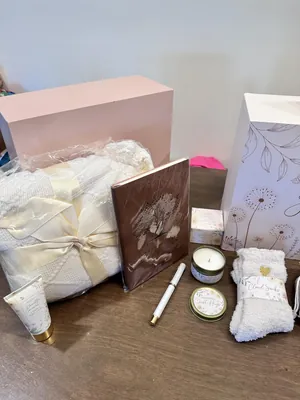
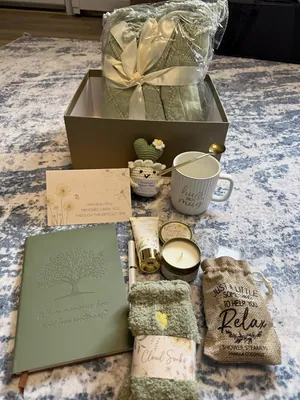
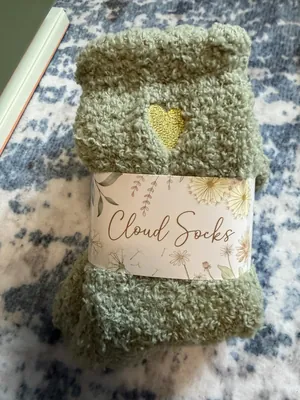
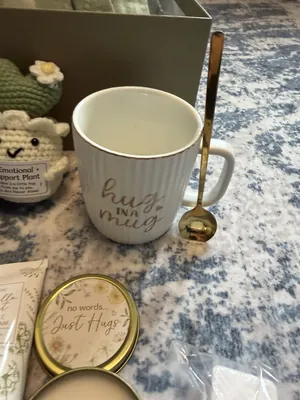
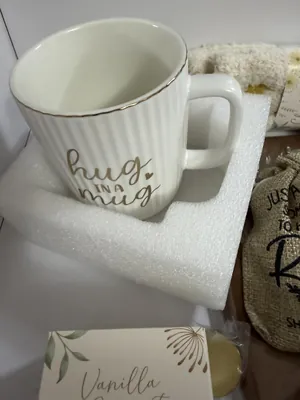
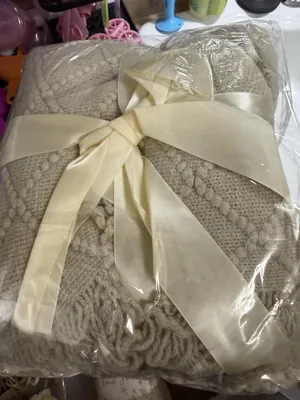
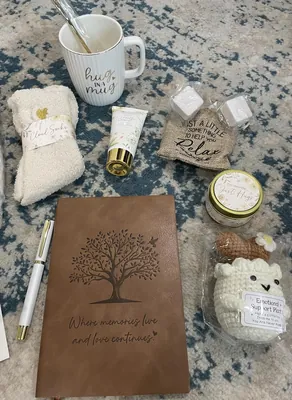
The listing for this box describes twelve pieces: a knitted tassel blanket (roughly 50 by 66 inches), a ceramic mug with a spoon, hand cream, a candle, bath fizzers, socks, a notebook with a gel pen, a small crocheted plant, and a sympathy card, all in a gift box. Buyers who sent it to someone grieving a parent or friend most often described the contents as soft, well packed, and thoughtfully matched in color, and a few liked that it gave them something to send in place of flowers. One noted that the card is blank for your own message, so if you ship it straight to the recipient, write your note in advance or send a separate one. It comes in beige and sage green.

Why does a soft light often mean more than flowers?
Flowers are lovely, and they fade within a week or so, often just as the visitors stop coming. A small light that can stay on a shelf or a windowsill gives a grieving person a quiet place to put their attention. It marks the person who died without forcing a conversation about it.
One practical note: a real candle left burning near flowers, tissues, and cards is easy to forget in a house full of visitors. Battery-powered flameless candles have no open flame, which makes them a sensible choice for a memorial that will glow for hours, especially overnight or in a home with children or pets.
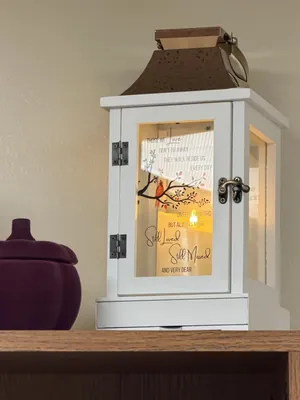
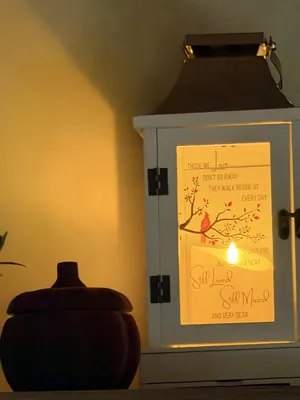
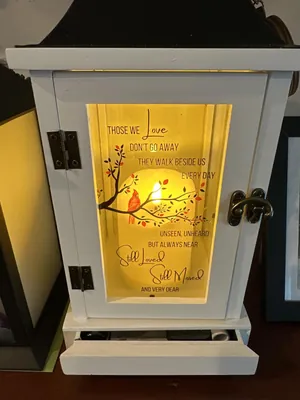
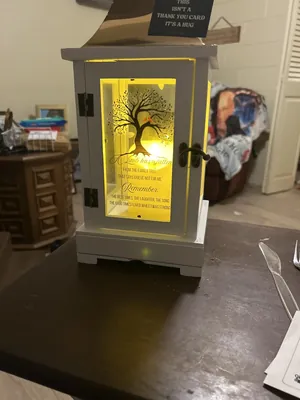
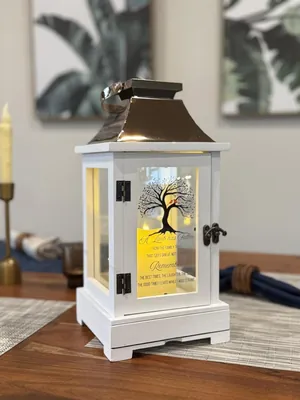
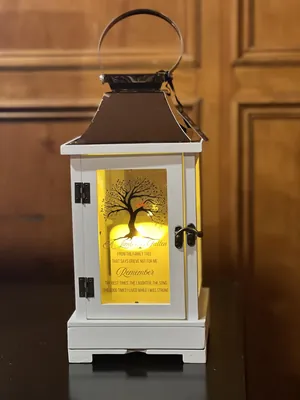
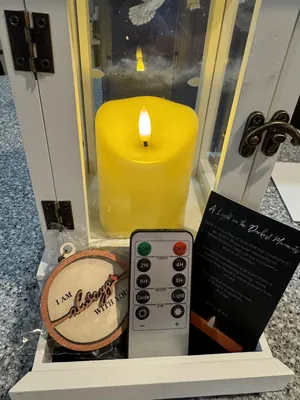
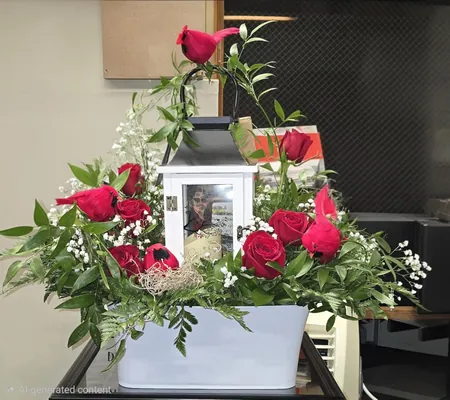
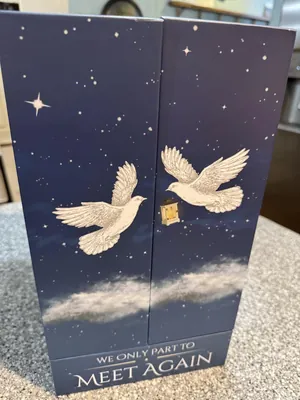
A memorial lantern is the classic version. The one below has a velvet-lined drawer, a holder for a 4 by 6 inch photo, and a removable flameless candle with a remote and timer, according to the listing, and it arrives in a fold-open gift box with a sympathy card. Buyers described using the drawer for jewelry or letters, and several gave it to a friend or family member who had lost a spouse or parent. A few things to check: some buyers had trouble fitting a photo in the back (a piece of thin cardboard behind the print helped), several received a damaged outer box or a scuffed top, and one said the remote stopped working after about four months.
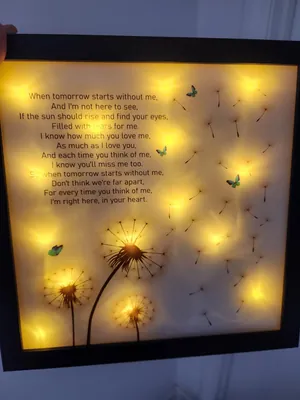
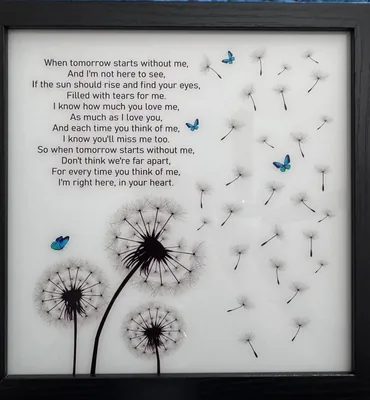
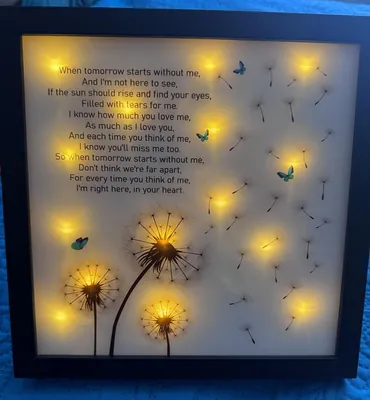
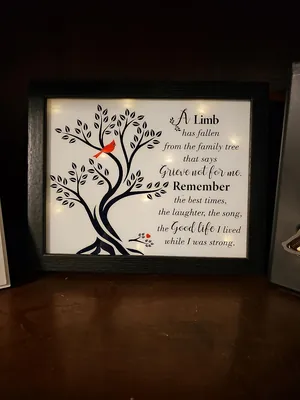
If a lantern feels like too much, a lit shadow box is a lighter option. This one is about 11 by 11 inches and is printed with a short poem, with small LED lights behind it; it needs two AA batteries (not included) and comes with a sympathy card, according to the listing. Buyers often said it looked best lit at night and arrived in a gift-ready box. Some noted that the lights can make parts of the poem hard to read, that the back closures are loose, and that the batteries run down if it stays on all night.



What about something that lives outdoors?
Not everyone wants a memorial in the living room. Some people find it easier to remember someone in the garden or on the porch, where life carries on around the object. Wind chimes are a common choice because the sound changes with the weather and nothing needs to be turned on.
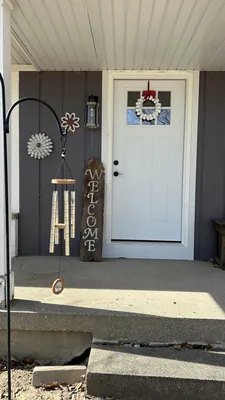
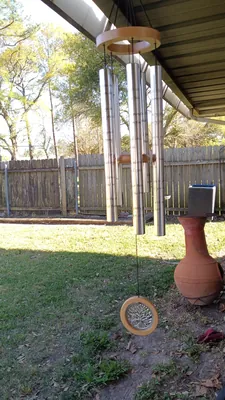
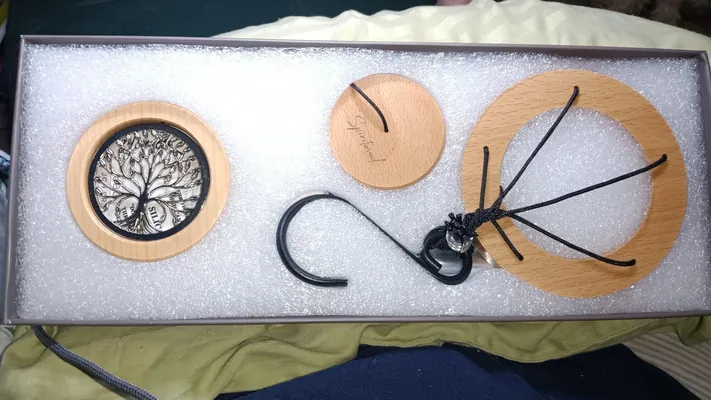
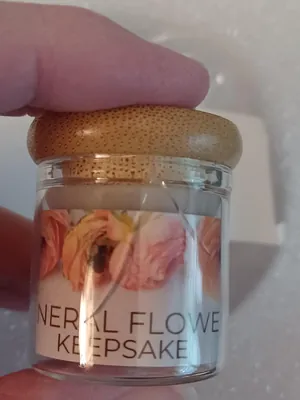
The 32-inch chimes here feature a tree-of-life emblem and tubes inscribed with a short poem, and the listing describes a drawer-style gift box with a sympathy card. Several buyers added that the set includes a small glass jar for keeping a flower from the funeral and a link to a free e-book about grief. Others described the sound as full and calming rather than tinny, though one found it slightly high-pitched. One buyer sent the chimes to a friend who had lost a dog. If the recipient lives in a very windy spot or in an apartment with close neighbors, consider where they will hang and how often they will ring.





What if you want something small and lasting?
Sometimes the right gift is small. A figure, a prism, or a piece of glass that fits on a bookshelf can sit quietly for years and come to the front when the person wants it. Three examples show how different these can feel.
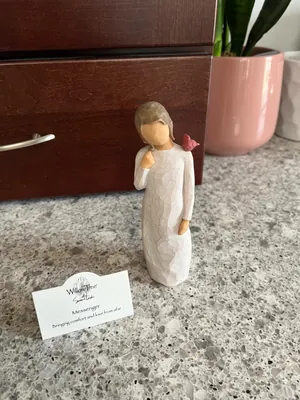
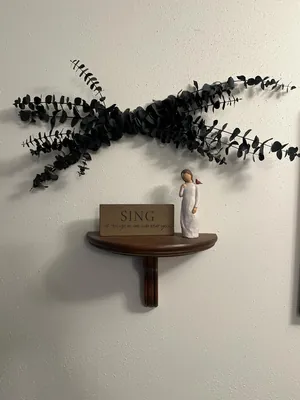
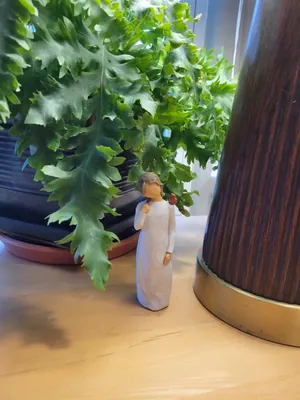
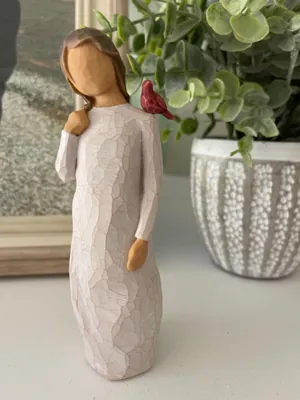
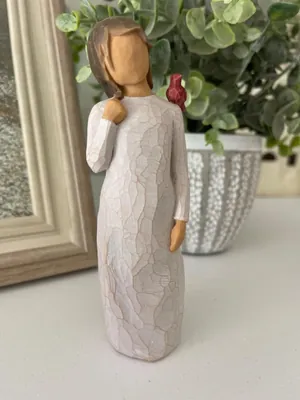
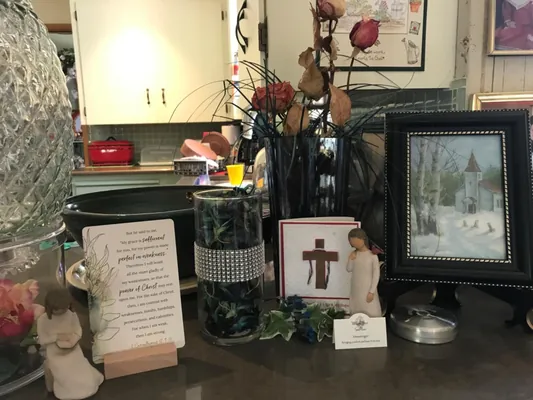
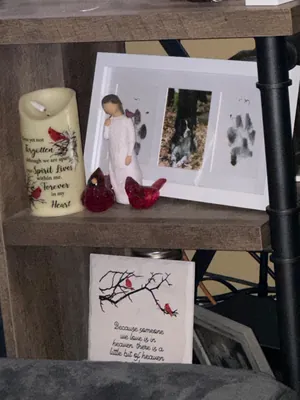
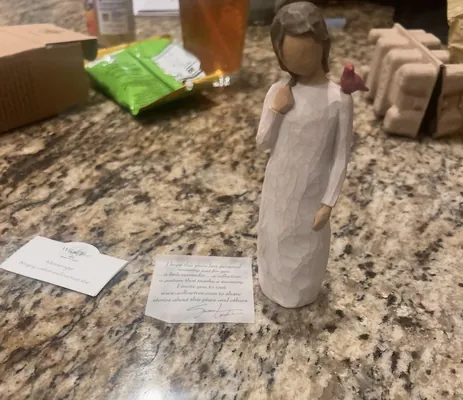
A hand-painted figure of a woman with a red cardinal on her shoulder is one of the more personal choices. Several buyers wrote about cardinals as a sign of a loved one visiting, and said they set it on a memory shelf or beside a photo. It stands about 5.5 inches tall, according to the listing, and comes in a fitted gift box with a printed message. If the recipient has no connection to cardinals, it may read as generic, so it is worth asking a mutual friend first.
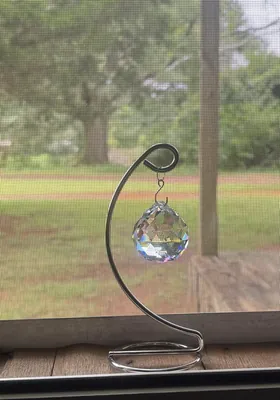
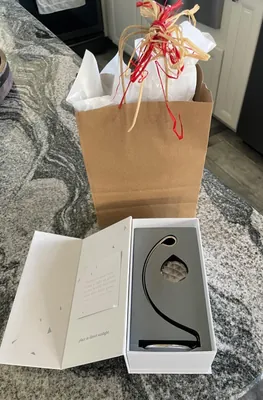
A crystal prism on a slim stand is less sentimental in its look. It catches light and throws small rainbows around a room when the sun shines on it. The listing says the set includes a 6-inch silver stand, a 1.5-inch crystal, and a keepsake card. One buyer pointed out that the rainbows depend on where the sun hits, and in their house they had to hunt for the right spot, so it suits a window that gets direct light.

An engraved crystal angel is the most traditional of the three. It is a 6-inch figure with a short verse etched into the glass, and it comes in a gift box with a blank card. Treat the listing's feedback with some care: nearly all of it came from the retirement-engraved version of this angel, not the sympathy verse. The one buyer who gave it two stars said the head and body were two glued pieces that arrived separated, and that the lettering was hard to read against the crystal, so it is worth opening it as soon as it arrives.
Do these ideas work for a pet or a pregnancy loss?
Often, with a lighter touch. Grief for a pet or for a pregnancy is real, and it can get less acknowledgment from the people around. A simple, private gift says "I know this was a real loss." One buyer sent the wind chimes to a friend whose dog had died, and one shadow box in the photos carries a rainbow bridge poem for a pet. The comfort box above is described in its listing as suited to women coping with the loss of a loved one or a miscarriage. Keep the card gentle and specific, and avoid anything that suggests they should try again or feel lucky for what they have.
What can I write in the card?
Three short lines are plenty. You can say you are sorry, share a single memory, and offer one concrete thing. A few templates to adapt:
- "I'm so sorry about your mom. I'll always remember how she laughed at her own jokes. I'm thinking of you."
- "No need to reply. I'm here when you want to talk, and happy to sit in silence too."
- "I'm dropping off groceries on Thursday. I'll leave them by the door so you don't have to answer."
If the gift comes with its own printed card, add a handwritten line anyway. A blank card is a better place for your own words than a printed poem.
How can I keep showing up after the first weeks?
The first days bring flowers, calls, and casseroles. Later, the visits taper off while the grief often has not. Put a few dates on your calendar: the birthday of the person who died, the first holiday without them, and the anniversary of the death. A text that says "thinking of you today" costs almost nothing and can mean a great deal.
It also helps to follow the person's lead. If they want to talk about the one who died, listen. If they want to talk about a TV show, talk about the show. And if they seem unable to stop dwelling on the death and its circumstances, or struggle to function for a long stretch, you can gently suggest they talk with their doctor or a grief counselor. Mayo Clinic's news team notes that this kind of preoccupation is a signal to get expert help, and a friendly nudge from someone who cares can make that step easier.