In this article
The surest way to choose a gift she will love is to start from what she already wears, carries, and uses, then check the details that most often go wrong: wrist size, chain length, metal color, and whether a bag really fits her laptop and water bottle. When you cannot find out those details, choose something that does not have to fit her body or match her jewelry. Here is how to do both, with the questions worth answering before you buy.
Why do personal gifts for her go wrong so often?
Most disappointing gifts are not bad ideas. They are good ideas with one detail wrong: a bracelet that will not close around her wrist, a necklace in yellow gold when she only wears silver, a work bag that cannot hold the laptop she actually carries, or a beauty gadget that quietly suggests something about her face needs fixing.
Those details are knowable. You do not need to read her mind; you need to look at what she already wears, carries, and uses, then buy within those lines. The more personal the gift sits on her body or in her routine, the more those details matter.
Which gifts carry the most risk?
A simple way to think about it is fit risk. Jewelry and watches carry the most, because size, metal color, and skin sensitivity all have to line up. Bags sit in the middle: style matters, but size can be checked against what she carries. Cozy home pieces carry the least, since nothing has to fit her body or match an outfit.
- High fit risk: bracelets, watches, rings, necklaces, clothing.
- Medium: bags, beauty tools, anything that joins a routine she already has.
- Low: throws, decor, flowers, food, and experiences you can share.
None of this means you should avoid personal gifts. It means you should do a little homework before choosing one, and pick a lower-risk gift when the homework is not possible.
How can you figure out her style without asking?
Start with the things she reaches for without thinking. For a week, notice what is on her wrist and around her neck, which bag goes out the door with her, and what sits on her bathroom counter. Repeated choices tell you more than anything she says about a gift.
- Metal color: Does she wear mostly gold, silver, or rose tones? Rings are the best clue, since people rarely change them.
- Scale: Are her pieces small and close to the skin, or bold and noticeable? A dainty-jewelry person rarely enjoys a chunky statement piece.
- Habits: Does she wear a watch every day, or check her phone? Does she layer necklaces, or wear one piece for years?
- Practical clues: Is she always carrying a big water bottle, a laptop, or a stack of folders? Those are size requirements, not just preferences.
If you share a household, peek at her jewelry box or closet for sizes and favorite colors. If you do not, a friend, sister, or coworker who sees her daily is often a better source than a direct question, which can spoil the surprise.
How do you buy a bracelet or watch that actually fits?
Wrist size is the most common miss with bracelet watches and bangles. The fix is to measure something she already wears comfortably. Lay one of her bracelets flat and measure the inside length end to end, or wrap a strip of paper around the inside of a bangle she likes. That gives you a working size without asking.
Then check two things on any listing: the inside circumference or length, and how it adjusts. Link bracelets can usually be shortened by removing links, while a closed bangle or a clasp with a short extender has less room to grow. If her wrist is larger than average, a style without a fixed circumference is the safer choice.
What does gold-plated actually mean?
Many affordable watches and bracelets are plated: a thin layer of gold over another metal. Under the Federal Trade Commission’s jewelry guides, a piece marketed as gold plated must carry a layer of at least 10-karat gold and a minimum thickness, and the plating should be reasonably durable. That layer is still thin, so it can wear through with friction, water, lotion, and perfume. Plated jewelry is a fine gift; just treat it as something to care for rather than something to wear in the shower.
What if her skin reacts to some metals?
If she has mentioned itchy skin under watches or cheap earrings, take it seriously. The American Academy of Dermatology notes that nickel allergy is common, that watches and earrings are frequent culprits, and suggests nickel-free pieces, surgical-grade stainless steel, 18-karat or higher gold, sterling silver, or platinum for sensitive skin. For a plated watch or bracelet, a sensitive wearer may react once the coating wears thin, so a higher-karat or stainless piece is the kinder pick.
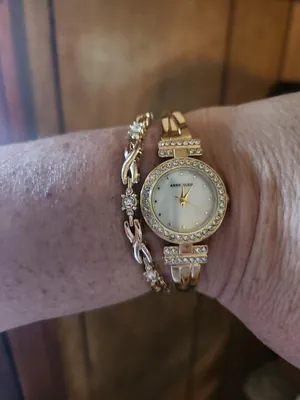
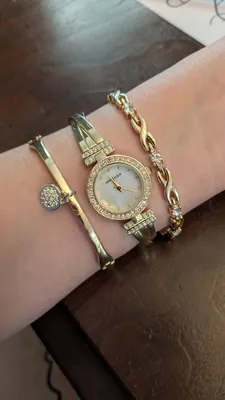
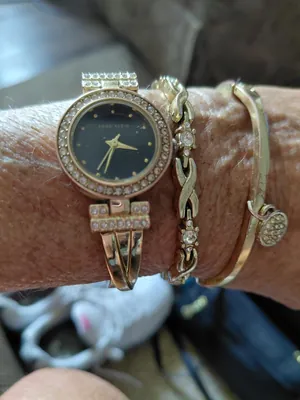
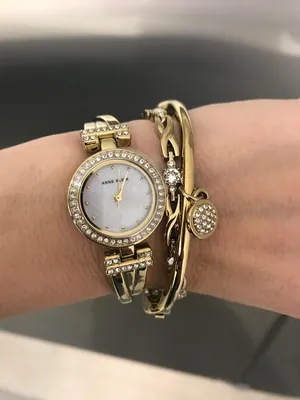
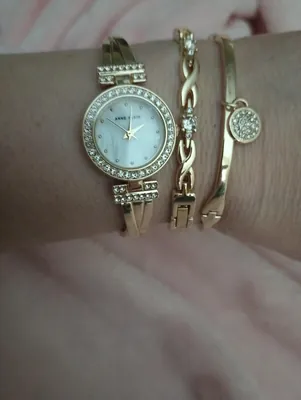
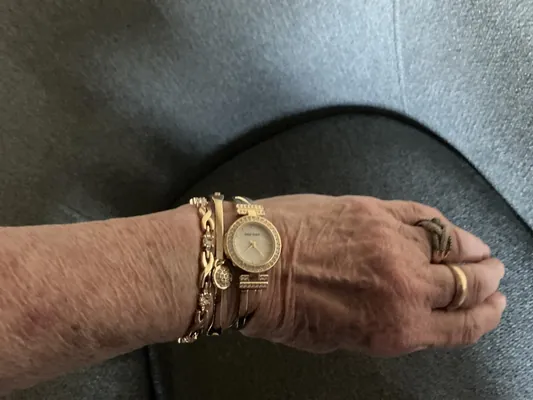
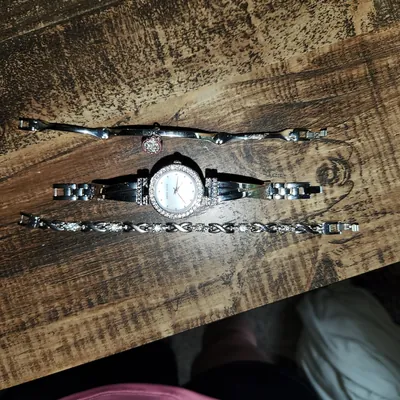
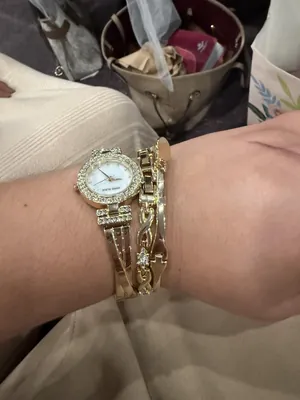
A three-piece set, a watch plus two matching bracelets, is an easy way to give something that looks complete. Several buyers mention it looks more expensive than it is and that the pieces sit well together. Others raise the exact points above: a few found it tight on larger wrists, and some saw the bracelet plating dull or wear within months of regular wear. One buyer who has worn several wedding rings for decades bought it in both gold and silver tones so it could match either set of rings. The listing gives a 7-inch inner circumference with an extender link, so compare it with her bracelet first, and plan for her to take it off before handwashing and showers.
How long should a necklace be for a gift?
Necklace length decides where a pendant lands, and that changes how it looks with her usual necklines. Jewelry sizing guides commonly describe a 16-inch chain as resting near the base of the throat, an 18-inch chain at the collarbone, and a 20-inch chain just below it. Neck size and posture shift that a little, which is why an extender is useful.
- Shorter (about 15–17 inches): sits close, shows above most crew necks and button-downs, and works well for layering.
- Standard (18 inches): the most forgiving length for a pendant and the safest guess if you know nothing else.
- Longer (20 inches and up): easier over sweaters and for women who find short chains tight.
Look at her current favorite. If she wears a short chain every day, a short pendant will feel familiar. If she tends to wear longer pieces or has mentioned short chains feeling snug, choose a longer chain or plan to add an extender.
Gold, silver, or a colored stone?
Match the metal she wears most, then choose a stone in a color you have seen her pick in clothes or accessories. With natural or iridescent stones, color can vary from the photo, and a stone may look different under warm and cool light. If an exact shade matters, consider buying where you can return it without trouble.
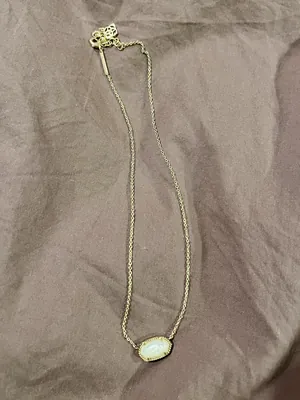
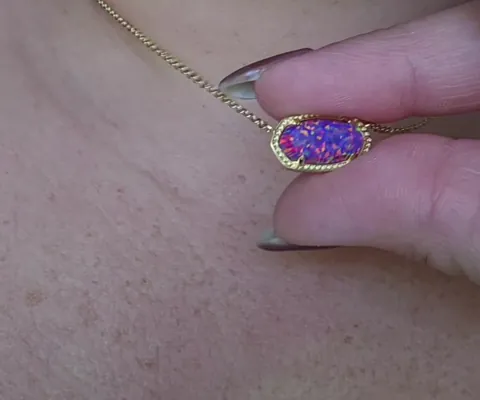
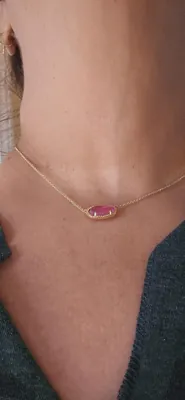
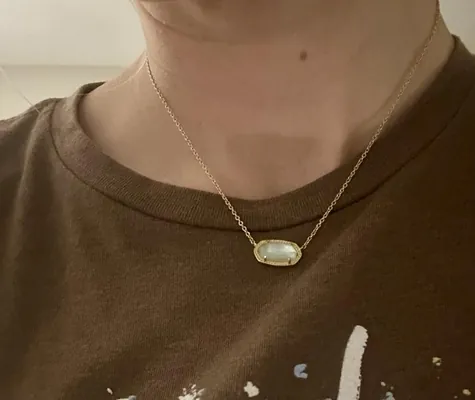
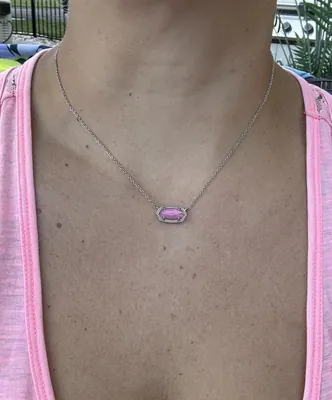
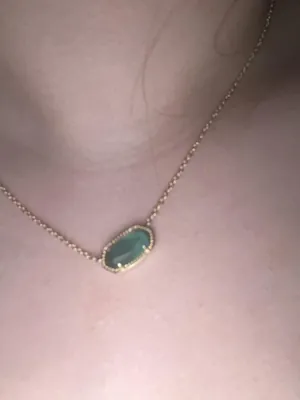
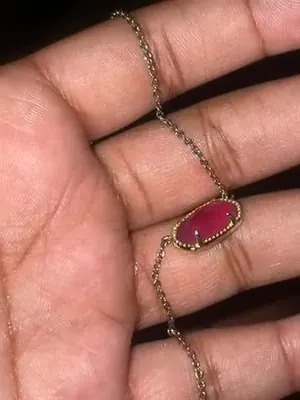
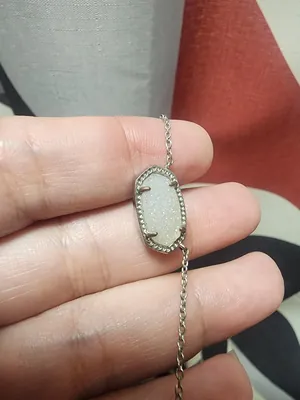
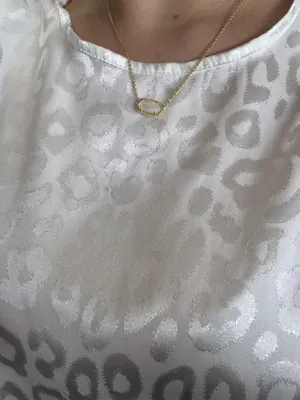
A small oval pendant on a fine chain is one of the easiest jewelry gifts for someone with a minimal style, and it comes in many stone and metal combinations. The listing describes a pendant just over half an inch tall on a 15-inch chain with a 2-inch extender, which is short. Many buyers wear it daily and like how it sits at the collarbone; some found the chain too short even with the extender, a few said a stone looked lighter or more solid than pictured, and several saw the plating darken within weeks or months.
Can a practical gift still feel thoughtful?
Yes, when it solves a problem you have actually noticed. A practical gift feels thoughtful because it proves you paid attention: the shoulder bag that always looks overstuffed, the laptop she carries under her arm, the water bottle that never fits anywhere. It feels impersonal when it is generic or implies she should be more organized.
The test is simple: could you name the moment in her day when she would use it? If the answer is "every morning on the way to work," you are on solid ground.
How do you choose a work bag she will actually carry?
Size comes first, then style. Before you buy, find out three things, ideally by looking rather than asking:
- Her laptop: screen size is a starting point, but sleeve dimensions matter more. A laptop listed as 15 inches can be too wide for a sleeve marked for 15.6-inch screens, especially in a thick case.
- Her drink: if she carries a large insulated tumbler, look for a dedicated interior pocket that holds it upright. A tumbler loose in a tote is how papers get soaked.
- How she carries: a crossbody strap helps with a heavy load; a thin strap can dig in once the bag is full.
Then match her colors. If her current bag is black, a black or two-tone bag is safer than a bright color, no matter how nice it looks online.
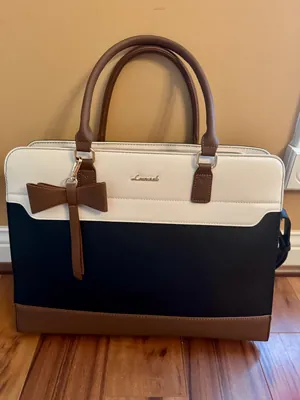
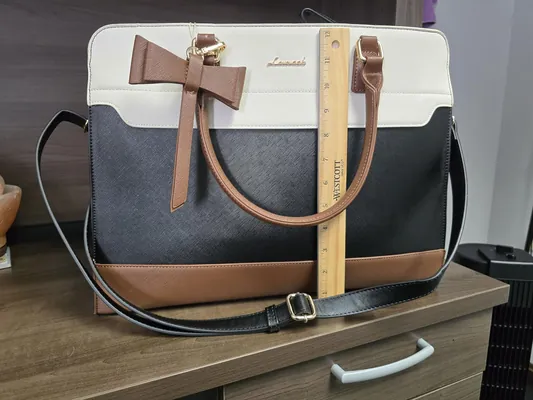
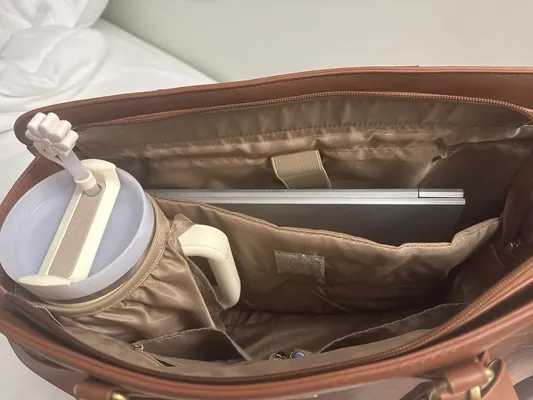
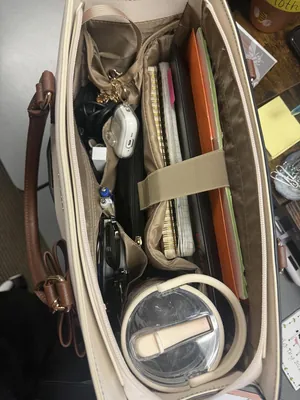
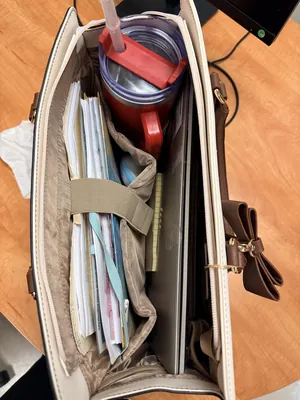
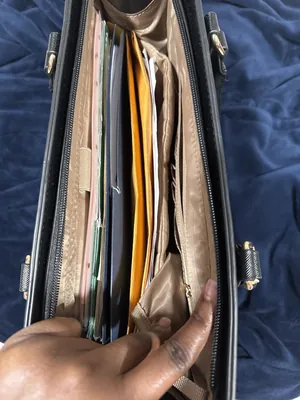
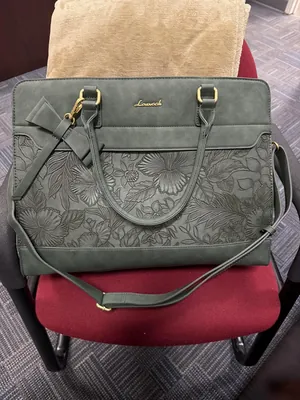
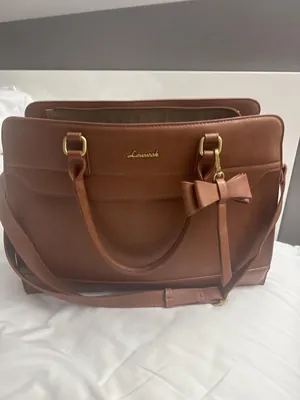
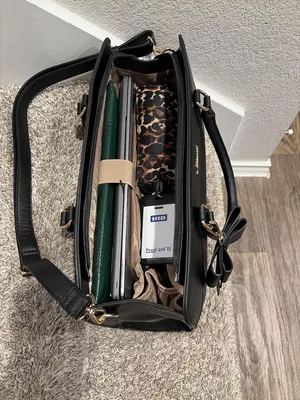
A structured laptop tote with a tumbler pocket answers most of those checks at once. Buyers describe fitting a laptop, a tablet, notebooks, chargers, and a 40-ounce tumbler, and teachers and office workers mention using it daily. The caveats are worth knowing: one buyer’s 15-inch laptop only fit diagonally rather than in its sleeve, another found the thin strap uncomfortable when the bag was heavy, and it is a large bag that can feel heavy once packed. The listing measures it at about 16.9 by 13 inches, so check her laptop’s width against the sleeve.
How do you give a beauty or self-care gift without offending her?
Beauty gifts can land beautifully or badly, and the difference is usually the message, not the item. A gift that suggests she should look younger or firmer can sting. A gift that gives her a few quiet, pleasant minutes at the end of the day usually does not.
- Give it to someone who already has a routine. If she uses serums, oils, or a manual face roller, an upgraded tool fits right in. If she washes her face with whatever is nearby, a gadget may sit in a drawer.
- Frame it as relaxation. "You always say your jaw is tense after work" is a better card than anything about results.
- Do not promise outcomes. Device claims about firming or lifting vary widely, and evidence for at-home light devices is still limited.
Are red-light face tools worth giving?
Treat red light as a pleasant extra rather than the reason to buy. A systematic review in JAMA Dermatology found at-home LED devices helped mild to moderate acne in small trials, mostly with combined red and blue light, and called for more research. Evidence for cosmetic claims such as firming is thinner, and home devices are generally far weaker than clinic equipment. The warmth and massage are what most people notice day to day.
Is a heated face tool safe to use?
For most adults, a warm massage tool used gently is low risk, but heat and broken or irritated skin do not mix. Suggest she start on the lowest heat setting, avoid active breakouts, rashes, or recently treated skin, and check with her dermatologist if she has a skin condition, uses prescription retinoids, or has had a recent procedure.
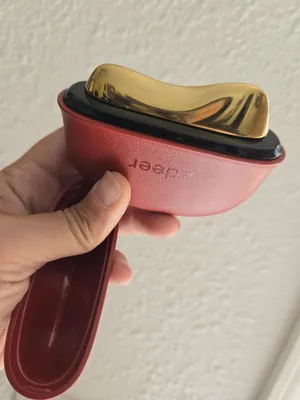
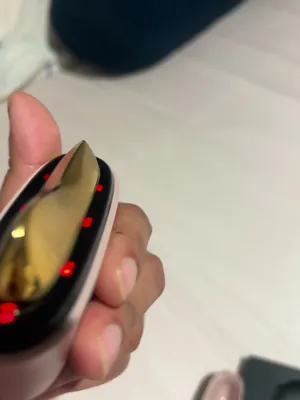
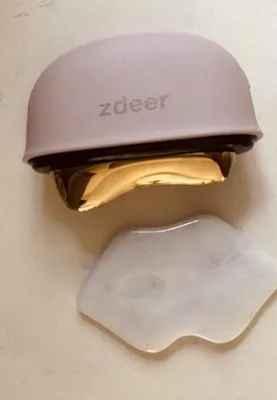
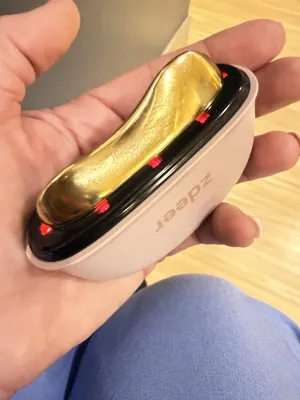
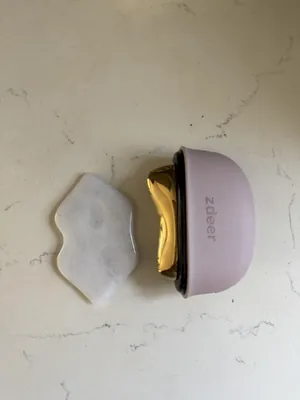
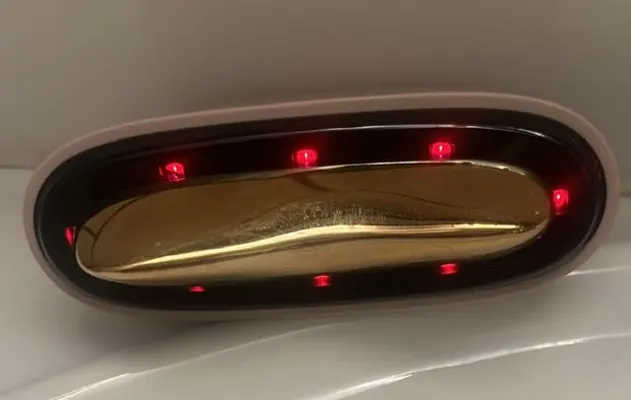
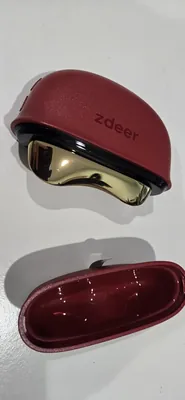
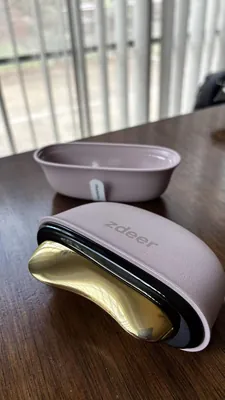
A heated gua sha tool is a good example of a gift for someone who already enjoys skincare. It pairs a warmed metal head with gentle vibration and soft red light, used over a serum or face oil. People who switched from a manual stone tool say they find it easier to use consistently because it needs less pressure, and several describe it as part of a nightly wind-down. Many mention less morning puffiness; treat that as a personal impression rather than a promise. The listing gives three heat levels from about 91°F to 118°F; starting on the lowest setting is sensible.
What should you give when you really can’t guess her style?
Sometimes you simply do not know enough: a new partner, a mother-in-law, a coworker, a relative you see twice a year. In that case, step down the fit-risk ladder. Choose something that does not have to fit her body or match her jewelry, that looks good in most homes, and that has an obvious use.
- Something cozy: a throw, slippers in a generous size, or a soft robe with a forgiving fit.
- Something for the table: good chocolate, coffee, tea, or a treat from a local bakery.
- Something to do together: a class, a show, or a meal, which takes the guesswork out of objects entirely.
- Flowers that last: if she loves fresh flowers but sighs when they wilt, a lasting version can carry the same meaning.
Is a crochet flower blanket a good gift?
For someone who loves flowers, it can be a lovely middle ground. Rolled up, a crochet flower blanket looks like a bouquet in a paper flower bag; unrolled, it becomes a throw or a round table cover. It does not need to fit or match anything, which is why buyers often choose it for mothers, mothers-in-law, and grandmothers who say they need nothing.
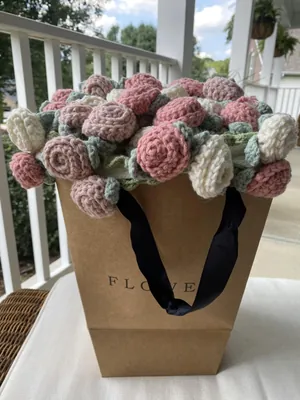
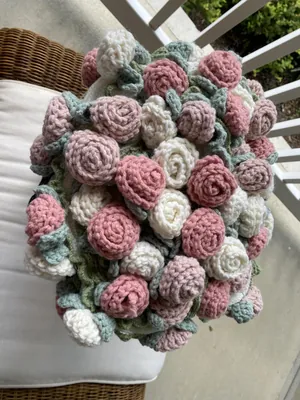
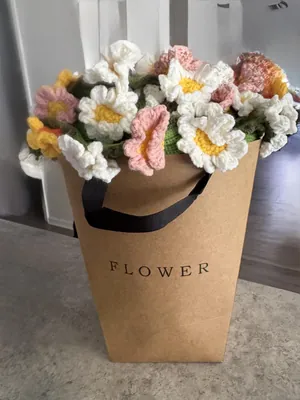
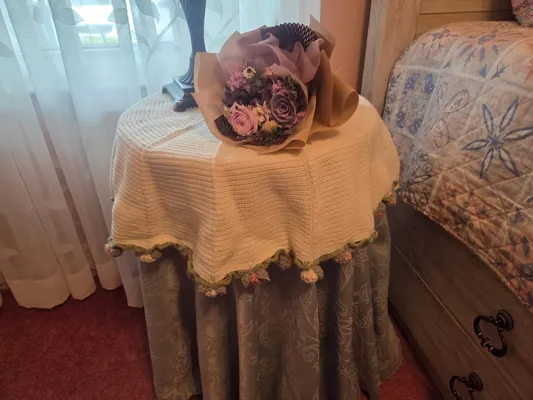
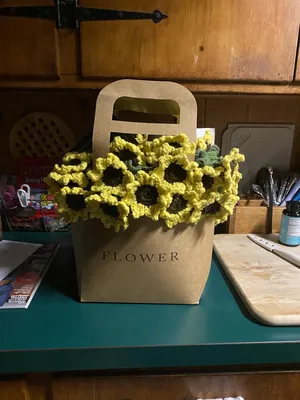
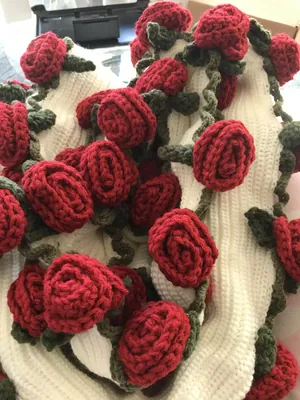
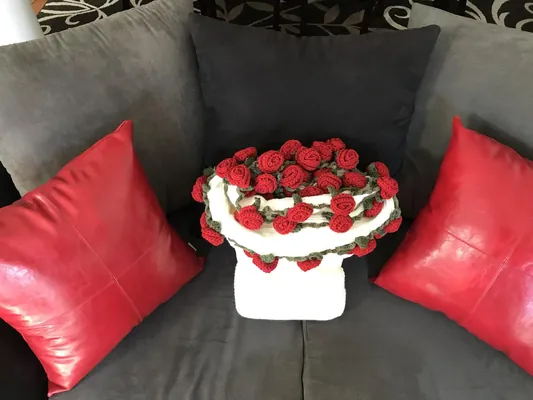
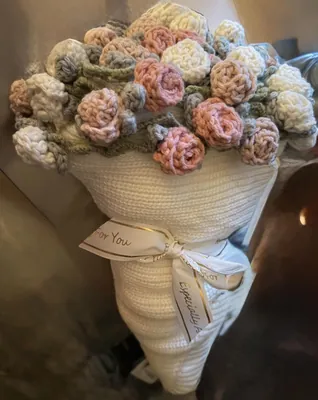
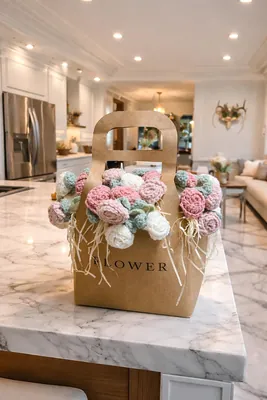
Buyers describe it as soft and substantial, and several chose the largest size so it works as a real lap blanket. One mother-in-law even took hers on an international flight. The honest caveats: packaging appears to vary, with some gifts arriving without the flower bag; one buyer found that flowers came loose after a gentle wash; and another felt the roses were smaller than pictured. Plan to hand-wash it, check the flowers when it arrives, and allow time for an exchange before the occasion. Sizes run from a small 32-inch round to a 60-inch throw; the larger size makes more sense for real lap use.
What should you check before you buy?
A few minutes of checking prevents most returns. Run through these before you order, whichever gift you choose:
- Size: wrist or chain length, laptop width, or blanket dimensions, compared against something she already owns.
- Color and metal: matched to what she already wears or keeps in her home, not to the most flattering product photo.
- Care: plated jewelry comes off before showers and lotion; crochet is gentler by hand; devices need charging.
- Timing: order early enough to inspect the gift and exchange it if something is off.
- Exchange path: include a gift receipt or keep the order details, and say so in the card. It removes pressure from both of you.
Is it rude to include a gift receipt?
Not at all. A gift receipt tells her you care more about her liking it than about being right. Tuck it in the card with a line like "in case it is not quite right" and move on.
How do you make the gift feel like it came from you?
Say what you noticed. "I saw you carrying your laptop in a tote that was falling apart" or "you always wear your grandmother’s gold ring, so I went with gold" turns a well-chosen object into proof that you pay attention, which is what most people really want from a gift.