In this article
A book lover with shelves of books does not need another copy of a bestseller, and guessing at a title is the fastest way to give something they already own or will never open. The easier move is a gift that makes reading better: a cozier spot, a softer glow at night, a tidier home for the stack by the bed, or a small project that belongs next to the books. This guide walks through those ideas by the place and habit they improve, with practical details to check before you buy, so you can choose for the person rather than for the category.
Why is it so hard to buy for someone who reads all the time?
Heavy readers have strong opinions. They know which authors they will not touch, which formats they like, and what is already waiting on their to-be-read pile. Many also borrow from the library or read on an e-reader, so a physical book may not have a place to go. A well-meant guess can easily miss on genre, edition, or a series they have already finished.
Is giving an actual book ever a good idea?
Yes, when you have real information. A title from their public wish list, the next book in a series you have watched them finish, or a replacement for a favorite they mentioned losing are all safe bets. Slip in a gift receipt so a duplicate is easy to swap. Without that information, build the gift around the reading experience instead of the text.
How do you learn what they like without asking directly?
Look at where they read. Is there a throw on the sofa, a mug always on the side table, a stack on the nightstand? Notice whether they read mostly at night, on trips, or between errands. Those details point to a comfort, a light, or a container. A partner or a friend who shares a bookcase with them can often answer in one text message.
What about readers who love the whole bookish world?
Plenty of readers enjoy the culture around books as much as the books themselves: shelf decor, little scenes, things that wink at reading without being a text. For them, a gift that nods to books feels personal. The sections below move from the everyday (comfort, drinks, light) to the decorative and the hands-on.
What makes the reading spot itself more comfortable?
Long reading sessions are mostly about being comfortable enough to forget the chair. A throw to pull over the knees and a drink that stays the right temperature do more for that than any gadget, and both get used the day they are unwrapped.
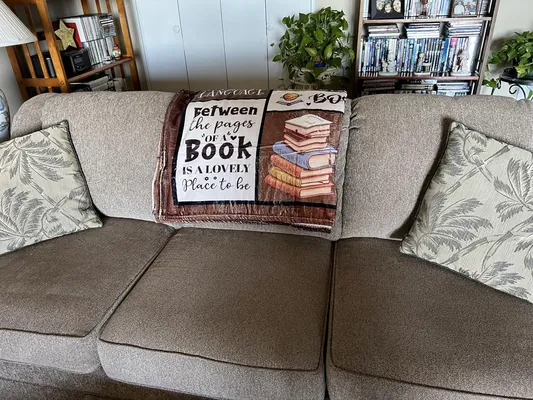
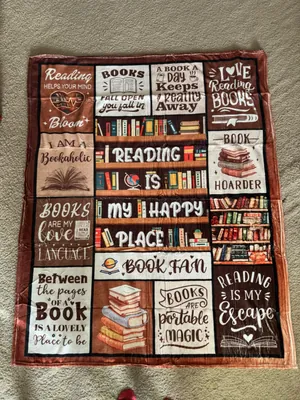
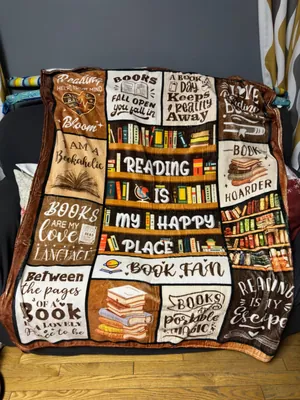
A book-themed throw works as a gift because it is also decor. One listing describes a 50 by 60 inch printed blanket with a book-lover design; buyers describe it as soft, lightweight, and big enough to drape over a bed or reading nook, and several said they gave it to a sister, a daughter, or a book club friend. Two details are worth knowing. One buyer pointed out that the fabric is polyester rather than flannel, so expect a smooth, slightly napped feel. Buyers also mention that it arrives shrink-wrapped and creased, and one washed and dried it first to get the folds out.
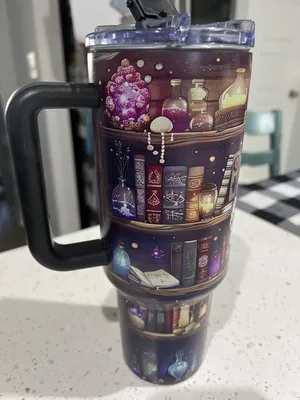
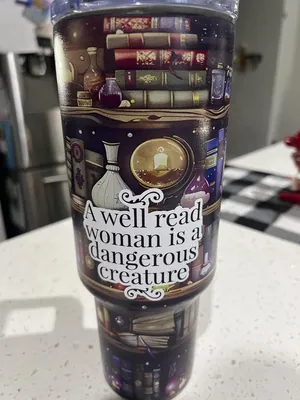
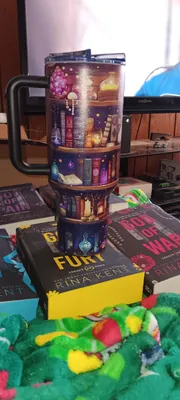
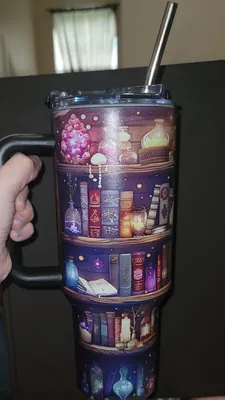
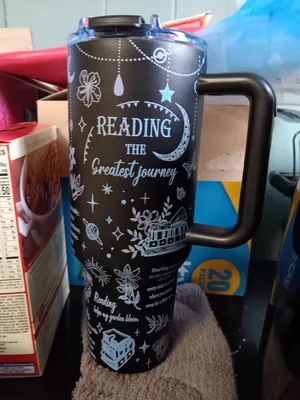
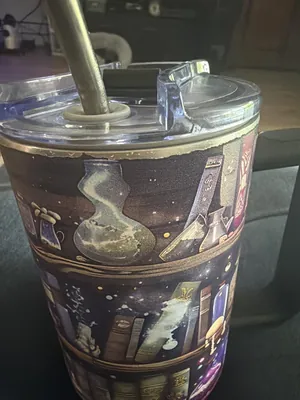
Drinks are the other everyday companion. A large insulated tumbler suits readers who settle in for hours and do not want to refill a cup every chapter. The listing for a 40 oz stainless tumbler with a handle describes double-wall insulation and a screw-on lid, and buyers report that it fits a car cup holder, keeps ice for many hours, and comes with two metal straws and a cleaning brush. It is sold in many printed designs, such as shelves of books, a dragon, a cat among book spines, and tarot motifs, so the design you pick matters as much as the cup.
What should you check before choosing a tumbler or a throw?
- Care instructions. Several buyers wash the tumbler by hand because the printed outer layer can scratch or wear; one reported paint chipping near the lid and another said the handle came loose, with the seller offering a replacement.
- Design names. Both products come in several designs. Confirm the exact design in the listing rather than relying on a thumbnail.
- Size. The tumbler holds 40 oz, which is a lot of liquid for a small bag or desk. The throw is sized for one adult; if the person is tall or shares the sofa, look at the larger option.
- Packaging. If you are giving it right away, wash the throw once first, since buyers mention shipping creases.
How do you give a reader better light for night reading?
Light is the quiet problem of reading in bed. A bright overhead lamp bothers the other person and a phone screen does the same, so many readers want something small and warm. The ideas here are mostly about mood. If the person needs real task lighting, a dedicated reading lamp is still the right tool; what follows adds atmosphere and a gentle glow.
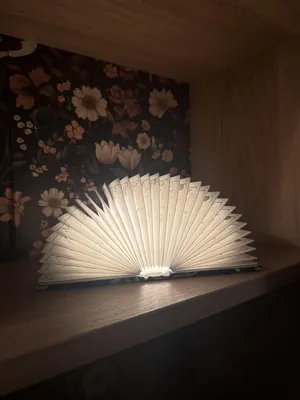
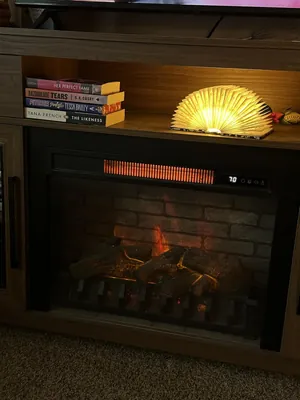
A folding book lamp opens like a book and turns on when you open the cover. The listing describes three lighting modes and a rechargeable battery rated for about four to six hours. Buyers largely agree on the charm and the limits: the light is soft and decorative, it works as a night light or shelf accent, and the battery life is short for a lamp, with one buyer saying it takes nearly as long to charge as it lasts. Several note that magnetic covers let it open into a full circle, and one said the modes differ slightly from how the listing describes them, cycling when you close and reopen the book. It is small, roughly the size of a phone, so think of it as a conversation piece.
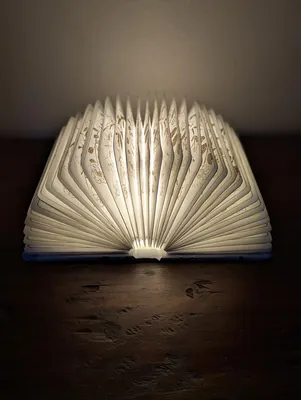
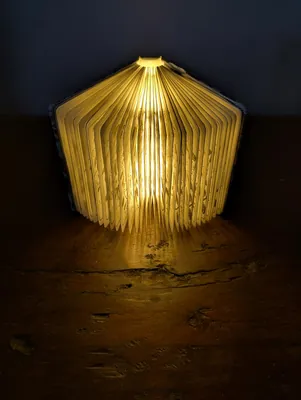
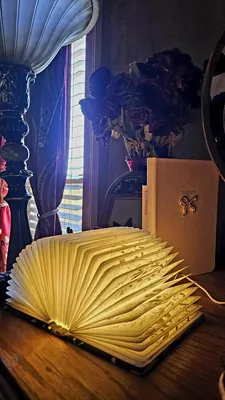
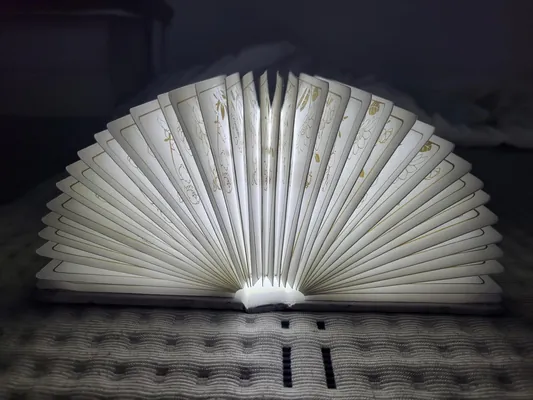
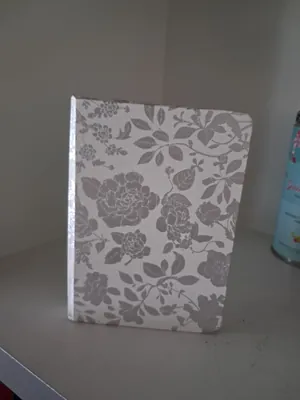
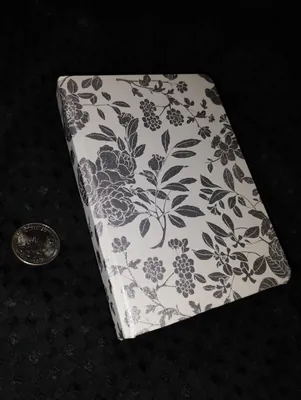
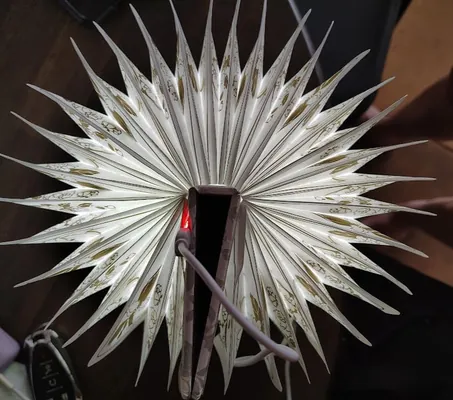
Whichever lamp you choose, include the charging cable in the box or mention that the light arrives charged. A gift that sends someone hunting for a cord on day one loses some of its charm.
How can you make a bookshelf feel special?
Shelves are where a reader's taste is visible. A few small decorative pieces can make a bookcase feel curated instead of crowded, and they ask nothing of the person except a spot between two books. The trick is choosing pieces that can sit among the books without tipping or needing an outlet.
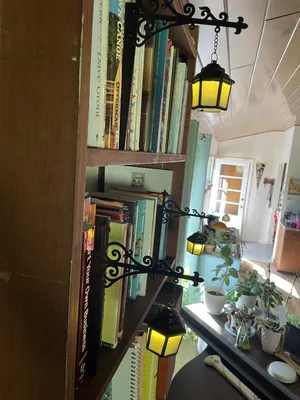
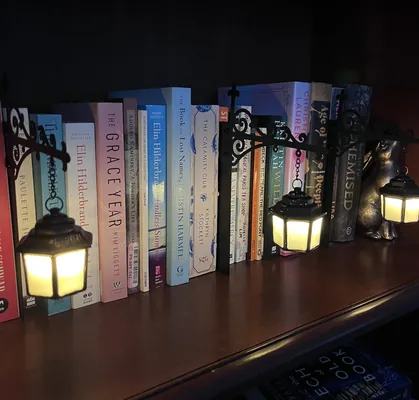
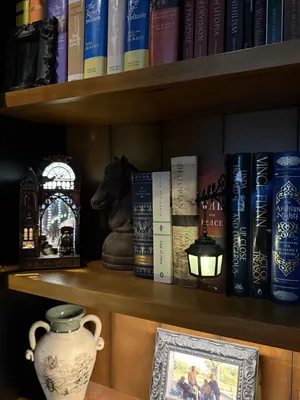
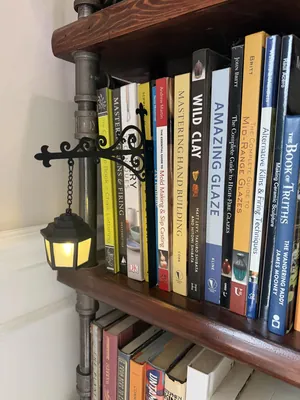
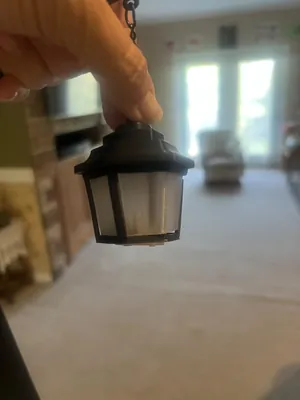
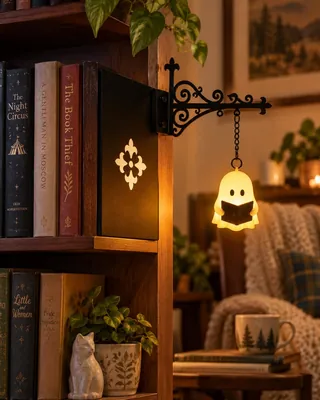
Hanging mini lanterns on slim bookend-style brackets do exactly that. The listing describes a battery-powered LED lantern hanging from an ornate bracket attached to a slim panel that slides between books. Buyers describe sturdy metal brackets, a warm glow that is more ambient than bright, and spare batteries in the box. They also say to expect some assembly: you attach the arm to the panel with small screws and a nut, and a few buyers said their hardware or parts were short. One noted that the lights use small button cells rather than AA batteries. If there are young children at home, keep button batteries well out of reach; Poison Control explains why swallowed button batteries are dangerous.
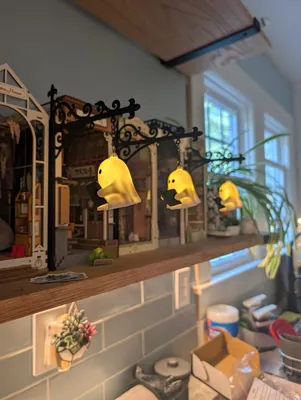
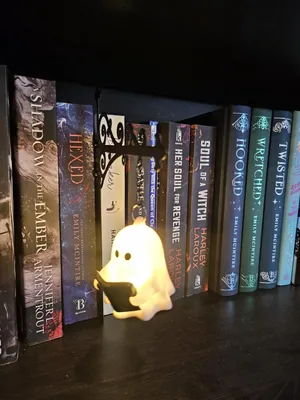
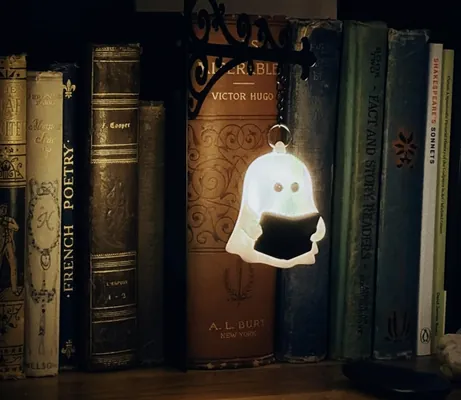
One more thing to check: the listing is built around lanterns, but several buyers received ghost-shaped lights holding books instead, and some of them said they had ordered the lantern style. Both were reviewed warmly, but if the person would never display a ghost, confirm which one you are getting before you give it. The ghosts suit a Halloween shelf; the lanterns lean vintage library.
What if they like doing something with their hands?
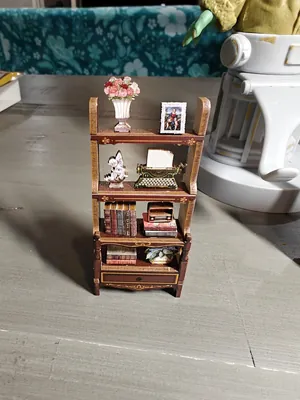
Plenty of readers like quiet, screen-free projects too. A tiny shelf to sort and a miniature scene to assemble both sit at the edge of the reading hobby: they are about books, they take an evening, and they end up on a shelf.
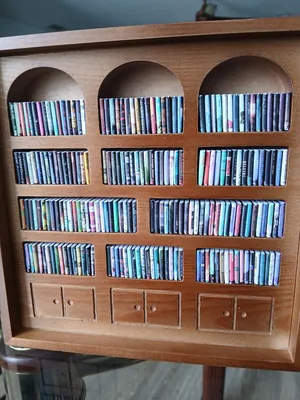
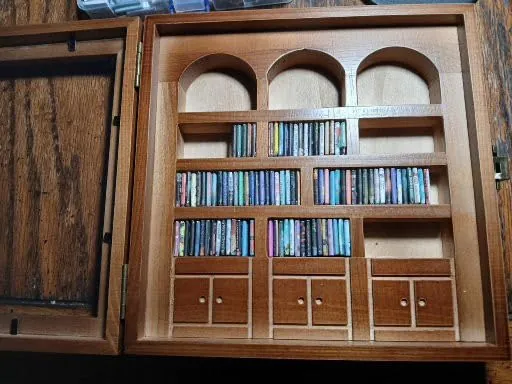
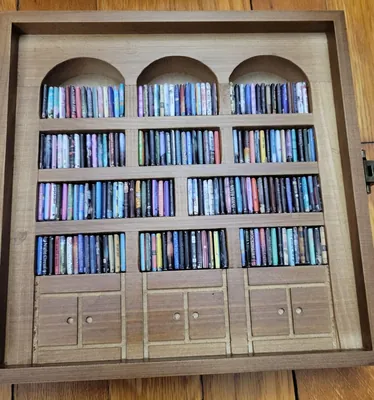
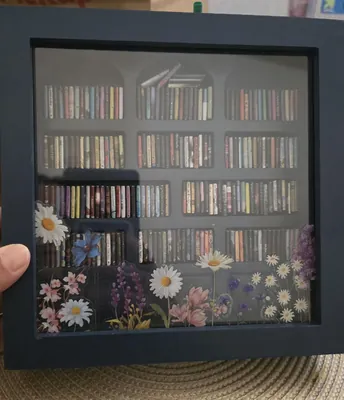
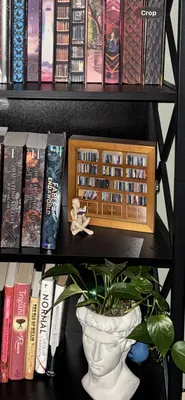
A mini bookshelf with about 200 tiny books is a sorting game as much as decor. You tip the books out, close the doors, and put them back in whatever order you like: by color, by series, by title. Buyers enjoy recognizing real covers from classics and popular fiction, and several said they ordered extras to complete a series. Others were more mixed: some felt the selection skews toward romance and modern fiction, a few found series incomplete, and one pointed out that the little books are covered foam rather than tiny printed books. The listing markets the shelf as a way to ease stress, and some buyers describe it as calming and absorbing, but treat it as a fun fidget and sorting activity rather than a treatment for anxiety.
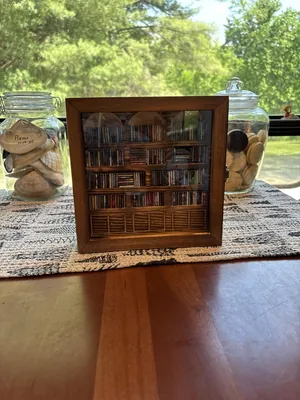
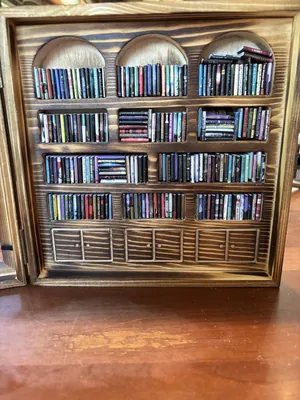
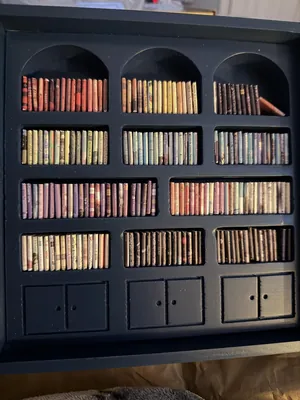
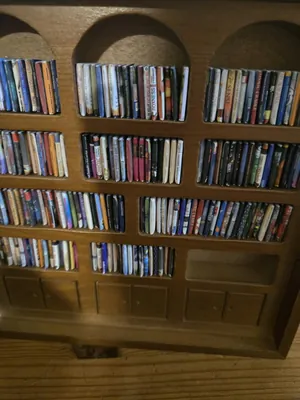
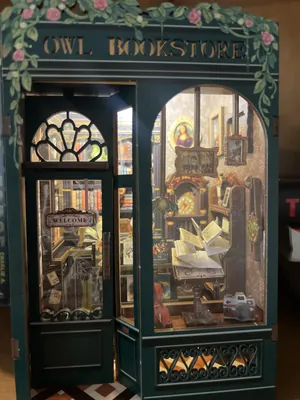
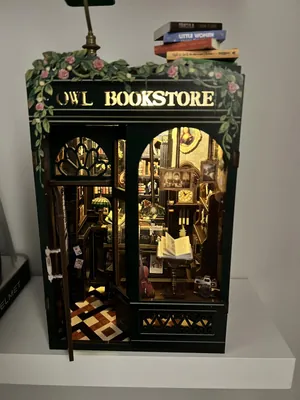
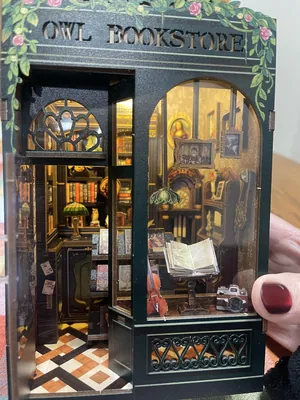
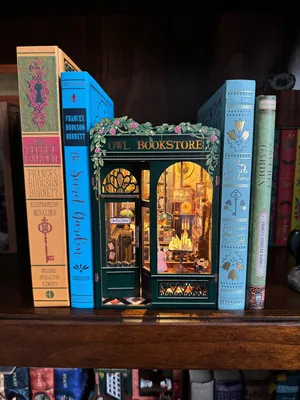
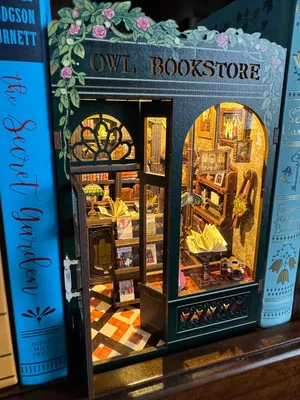
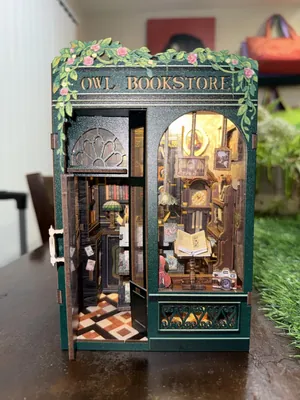
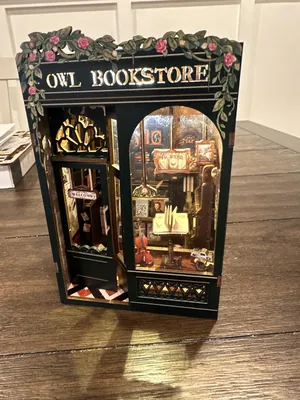
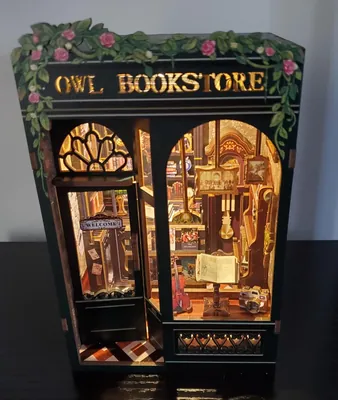
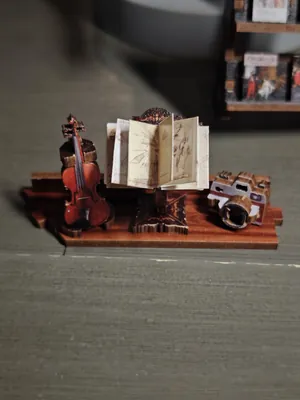
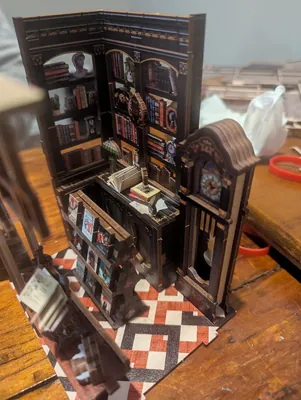
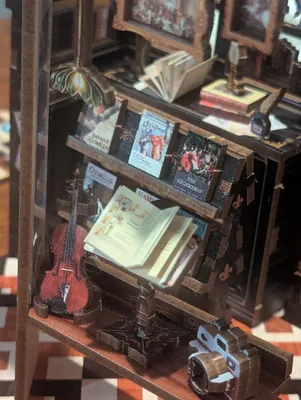
For a bigger project, a miniature book nook kit builds a tiny lit bookstore that slides between real books. The listing says it suits beginners and ages 14 and up. Buyers report that building took anywhere from about two to seven hours, that the pieces fit together snugly, and that the printed instructions are mostly clear. The complaints are consistent: glue is not included, the light and switch instructions are thin, a few pieces are fragile, and the light can look dim in person. The listing says you also need two AAA batteries.

What do you do about the stack of books they have not read yet?
Most readers have a to-be-read pile, and it usually sits on the floor, the nightstand, or the arm of a chair. Giving that pile a home is a practical gift because it changes how the room looks. A fabric basket is easy to carry from bedroom to sofa, and it keeps the next few reads together so choosing one feels like a small treat.
The listing for a foldable to-be-read basket gives its size as 14 by 10 by 6.3 inches and says it holds about 10 to 15 books. Buyers' photos show hardcovers and paperbacks standing upright, and one buyer fit around 20 softcovers. The soft sides are the main caveat: with only a few books the bin can slump, one buyer suggested putting thin cardboard in the bottom, and another said the product photos make the sides look firmer than they are. Rope handles come on some colors but not others, and the basket is sold in several colors and print wordings, so check that the one you choose matches what you want.
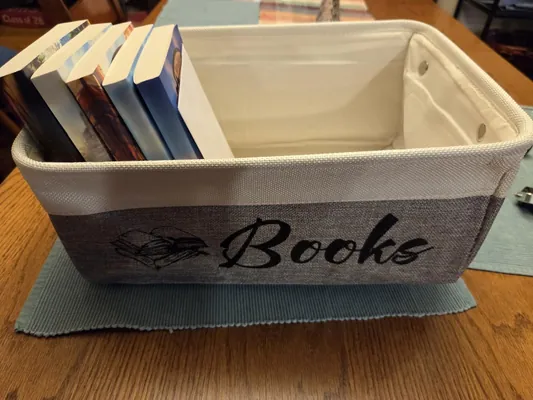
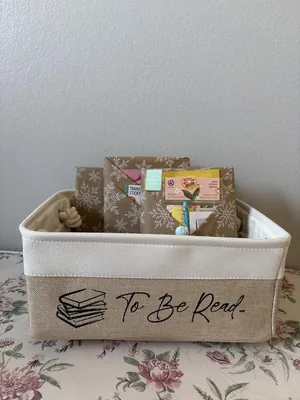
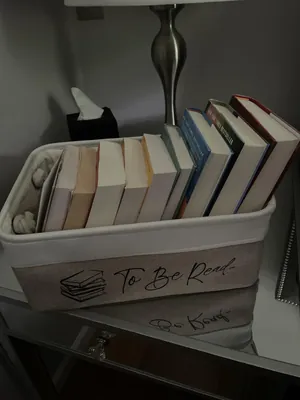
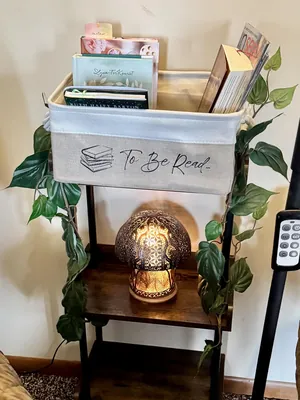
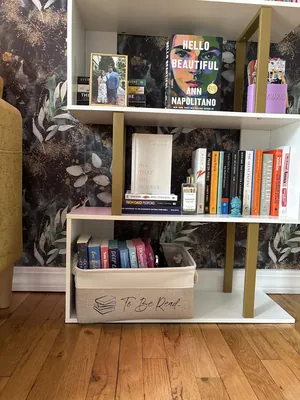
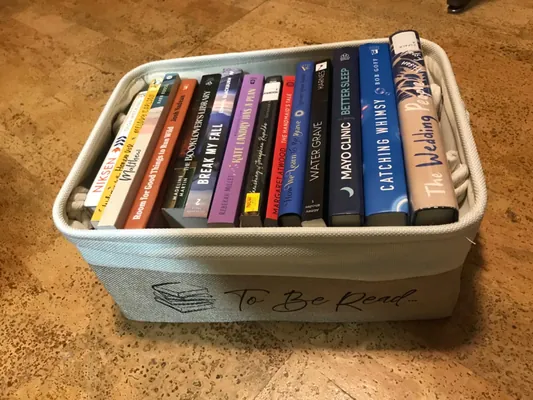
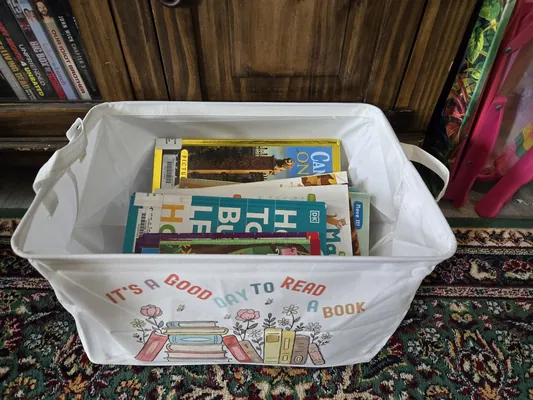
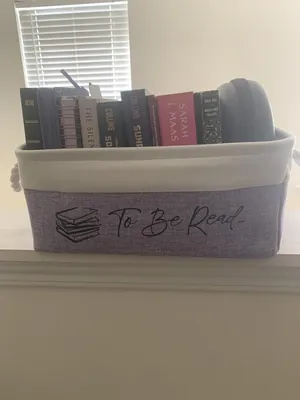
The same basket can also be the wrapping. One buyer filled it with wrapped books for a blind-date-with-a-book gift, and another used it for a gift basket exchange. Add a bookmark, a tea bag, and a short note, and the container becomes part of the present.
What is a thoughtful small gift for a teacher, librarian, or coworker?
When the budget is modest or the relationship is professional, a desk-sized object is easier to give than something personal. It should be useful, easy to display, and not require guessing at taste. A little planter works because it needs no setup, fits on a windowsill or shelf, and says something about the person without being loud.
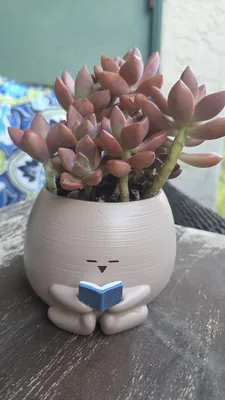
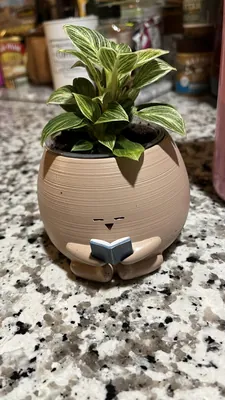
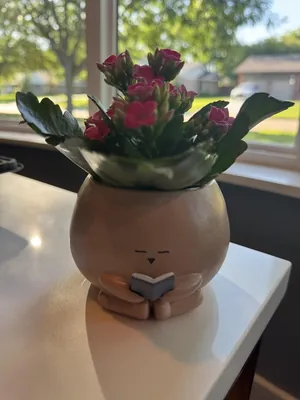
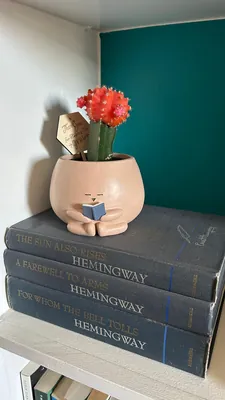
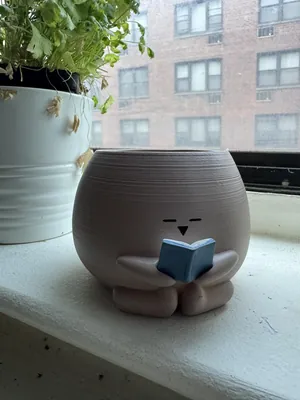
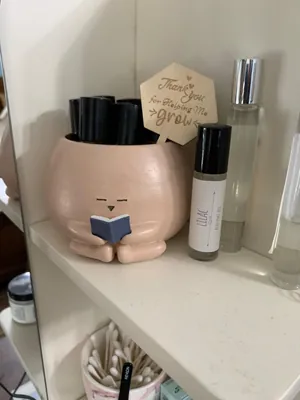
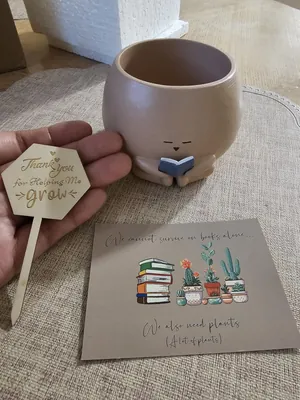
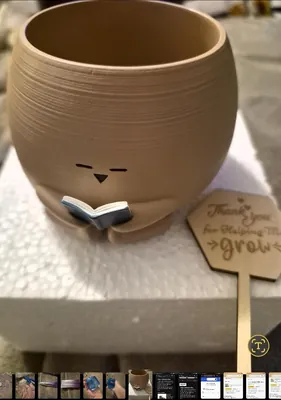
A small reading-figure planter is one example. The listing says it is about 2.8 inches tall and 4.3 inches wide, and includes a thank-you card and a wooden sign that reads thank you for helping me grow. Buyers describe it as heavy and sturdy for its size, with a detailed little book in the figure's hands, and they used it for teacher appreciation, a retirement gift for librarians, and bookworm friends. Several buyers found there is no drainage hole despite what the listing suggests; the practical fix is to leave the plant in its nursery pot, set it inside, and water it separately. It also works as a pen cup or vanity organizer, which helps if the person has no plants.
How do you make the gift feel like it came from you?
The object matters less than the note that comes with it. A line about a book that mattered to the two of you, a favorite character, or a memory of reading together makes even a simple basket feel considered. If you are giving a kit or a light, add what makes it usable on day one: glue and batteries, a cable, a gift receipt.
Where should you start?
Start from the reading habit you have seen. If they read on the sofa, think warmth. If they read in bed, think light. If their stack is spilling, think basket. If they like projects, think kit. If you only need a small thank-you, think planter. You do not have to guess at a book, and the gift will still be about reading.